Post Your Needs

Calacatta Viola Marble

Lilac - Marble

Italy

About

Item Details

Material Type:
Marble
Origin:
Italy (Provincia di Lucca, Toscana)
Primary Color(s):
Lilac
Recommended Usage:
kitchen and bathroom countertops, monuments, stairs, building stone, ornamental stone, interior, exterior wall and floor applications, mosaic, waterjet pattern
Additional Names:
Calacatta Granviola Marble, Bvlgari Marble, Bulgari Marble, Marmi Calacatta Viola, Calacatta Viola Marmo, Calacatta Violet Marble, in China stone market:宝格丽(Bǎo gé lì), Calacatta Viola Marble
Finished Surface:
Polished,Bush Hammered,Tumbled,Brushed,Honed,Split,Machine Cut,Natural Surface,Sandblasted,Acid Washing,Combed,Leathered,Water Jet,Filled,Chiseled,Pickling

Testing

Water Absorption:
0.2% - 0.5%
Density:
2700 kg/m3
Flexural Strength:
15-20 MPa
Compressive Strength:
100 MPa and 150 MPa

Description

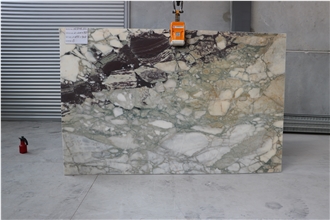
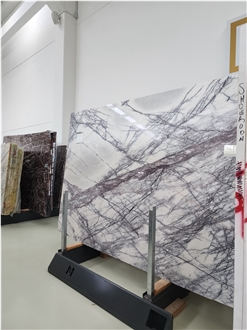
Calacatta Viola Marble is an extraordinary and opulent natural stone, distinguished by its rarity and captivating beauty. This luxurious marble boasts a stunning combination of purple and white veining patterns that create a visual spectacle reminiscent of a piece of art. The base color of the marble is a pure white, providing a pristine and elegant backdrop for the bold and striking veins.

The distinctive veins in Calacatta Viola Marble exhibit a mesmerizing range of colors, transitioning gracefully from light lilac to deep violet. These veins are not only captivating but also tend to be thick and dramatic, adding a sense of grandeur and sophistication to the stone's overall appearance.

Quarried in Italy, Calacatta Viola Marble is a testament to the country's rich history of marble craftsmanship and is highly coveted in the world of high-end interior design. Its rarity and unique color palette make it an exclusive choice for a variety of applications, particularly in prestigious projects where elegance and luxury are paramount.

Calacatta Viola Marble is often used in upscale interior design applications, including countertops, where its veining patterns can create stunning focal points, as well as in flooring and wall cladding to elevate the aesthetics of living spaces. The marble's distinct characteristics add a touch of opulence and sophistication to any environment, making it a favored material for those seeking to create a truly remarkable and luxurious ambiance. With its rich history, rarity, and breathtaking appearance, Calacatta Viola Marble is a treasure of the natural stone world, offering a timeless and majestic elegance to spaces lucky enough to feature it.

Mohs Hardness Scale:3-4

Mineralogical Composition of Calacatta Viola Marble % wt:

  • Calcite: 85%
  • Dolomite: 10%
  • Quartz: 3%
  • Mica: 1%
  • Feldspar: 1%

FAQ

How can I repair the scratched surface of the Calacatta Viola Marble steps?

Repairing scratches on Calacatta Viola Marble steps can be approached with care, as marble is a delicate and porous material. Here’s a step-by-step guide to help you repair scratches: 1. **Clean the Surface:** - Before beginning any repairs, ensure the marble is thoroughly cleaned. Use a pH-neutral cleaner or a specific marble cleaner to remove dirt and debris, and then dry with a soft cloth. 2. **Assess the Damage:** - Examine the extent of the scratches. Light surface scratches often require less intensive repair than deeper gouges. 3. **Mild Polishing:** - For minor scratches, use a marble polishing powder. Follow the instructions on the packaging, typically involving sprinkling the powder onto a damp cloth and gently buffing the scratched area. Use circular motions and apply minimal pressure. 4. **Sanding for Deeper Scratches:** - Deep scratches might require sanding. Use fine-grit sandpaper (e.g., 1000 grit) and gently sand the scratch, following the stone’s natural grain. Be very cautious to only sand the immediate scratch area to prevent unnecessary abrasion. 5. **Polishing Paste:** - After sanding, apply a marble polishing paste or compound. Use a soft cloth or a power buffer with minimal pressure. This should help to restore the marbles shine and blend the repaired area with the surrounding surface. 6. **Seal the Marble:** - Once the scratch is repaired and the surface polished, consider sealing the marble to protect against future damage. A marble sealer will help protect against stains and can enhance the stone’s natural beauty. 7. **Professional Assistance:** - If youre uncertain, or if the scratches are extensive, it’s best to consult a professional stone restoration specialist. They have the expertise and tools required to safely restore the marble. 8. **Regular Maintenance:** - Regular cleaning and promptly addressing spills can prevent further damage. Use mats or rugs to protect high-traffic areas if possible. Take care to always use products specifically designed for marble to avoid additional damage.

Can I mix cleaning vinegar and Dawn dish soap together to clean a Calacatta Viola Marble countertop?

Its not recommended to use cleaning vinegar or any acidic substances, such as vinegar, on Calacatta Viola marble or any type of marble surface. Marble is a natural stone composed mostly of calcium carbonate, which can react with acids. The acidity of vinegar can etch the marble, causing dull spots and damaging the surface. Dawn dish soap is generally safe to use on marble when diluted properly with water, as it is not acidic. To clean your Calacatta Viola marble countertop, use a mixture of warm water and a small amount of gentle dish soap. Apply the solution with a soft cloth or sponge, and avoid scrubbing too hard to prevent scratching. Rinse with clean water and dry the surface with a soft towel to avoid streaks or water spots. For routine care, use a specific stone cleaner designed for marble surfaces to ensure its longevity and maintain its appearance. Avoid abrasive cleaners or any products containing acids, ammonia, or bleach.

Can Calacatta Viola Marble be used as paving stone in areas with heavy snowfall in winter? Is it frost-resistant?

Calacatta Viola Marble, like most marbles, is generally not the best choice for paving stones in areas with heavy snowfall and harsh winter conditions. Marble is a softer, more porous stone compared to granite or certain other stones, which makes it more susceptible to damage from freeze-thaw cycles. When water seeps into the pores of the marble and freezes, it can expand and cause the stone to crack or spall over time. While there are marble varieties that may better withstand outdoor conditions, generally, marble is not considered frost-resistant, and special care needs to be taken if its used in climates with heavy snowfall and freezing temperatures. For outdoor paving in such environments, more durable and frost-resistant materials, such as granite, concrete pavers, or certain types of engineered stones, are better options. These materials are more likely to withstand extreme temperature changes and the mechanical stresses caused by ice and snow.

If I use Calacatta Viola Marble as a bar countertop, will alcoholic drinks damage its surface over time?

Calacatta Viola Marble is a beautiful and luxurious choice for a bar countertop, but its important to be aware of its characteristics and how it might react to certain substances. Marble, including Calacatta Viola, is a natural stone that is more porous and softer compared to other countertop materials like granite or quartz. As a result, it is susceptible to staining and etching. Alcoholic drinks, especially those that are acidic or contain citrus, can potentially damage the marbles surface over time. The acid can cause etching, which is a dull spot on the marble where the surface has been chemically worn away. Additionally, the coloring agents in some drinks might cause stains if left to sit on the surface. To protect your Calacatta Viola marble countertop, consider the following precautions: 1. **Seal the Marble:** Make sure the marble is properly sealed. A high-quality sealant can provide a protective barrier that helps resist staining and etching. However, sealing does not make marble completely impervious to damage. 2. **Clean Spills Immediately:** Wipe up any spills immediately to minimize the risk of damage. Use a soft, damp cloth and a mild pH-neutral cleaner. 3. **Use Coasters and Trays:** Encourage the use of coasters for drinks and trays for items that might cause spills. 4. **Regular Maintenance:** Regularly clean and reseal the marble according to the manufacturers recommendations or as you notice the need for resealing. 5. **Avoid Abrasive Cleaners:** Do not use harsh or abrasive cleaners as they can damage the marbles surface. By taking these precautions, you can help preserve the beauty of your Calacatta Viola marble countertop and minimize the risk of damage from alcoholic drinks.

How can I remove mold from Calacatta Viola Marble wall tiles?

Removing mold from Calacatta Viola marble requires a gentle approach to avoid damaging the surface. Heres a step-by-step guide: 1. **Gather Supplies**: - pH-neutral stone cleaner or mild dish soap - Soft microfiber cloth or sponge - Soft-bristled brush - Bowl or spray bottle - Distilled water - Hydrogen peroxide (3% solution) - Isopropyl alcohol - Clean towels 2. **Prepare Cleaning Solution**: - Mix a few drops of pH-neutral stone cleaner or mild dish soap with distilled water in a bowl or spray bottle. Avoid using vinegar, bleach, or any acidic cleaners as they can etch the marble. 3. **Initial Cleaning**: - Dampen the microfiber cloth or sponge with the cleaning solution. - Gently wipe the affected area to remove any surface dirt and debris. 4. **Mold Removal**: - Pour or spray a small amount of hydrogen peroxide directly onto the moldy areas. Hydrogen peroxide is effective at killing mold and is safe for use on marble when used carefully. - Allow the hydrogen peroxide to sit for about 10-15 minutes to penetrate the mold. 5. **Scrubbing**: - Use a soft-bristled brush to gently scrub the moldy area. Be careful not to scratch the marble surface. - Rinse the area with distilled water to remove any residue. 6. **Disinfection**: - Lightly dampen a cloth with isopropyl alcohol and gently wipe down the affected area. This step can help ensure that any remaining mold spores are killed. 7. **Drying**: - Thoroughly dry the area with a clean towel to prevent further mold growth. 8. **Inspect and Repeat**: - Check the area for any remaining mold. Repeat the process if necessary. 9. **Prevention**: - Ensure the area is well-ventilated to reduce humidity levels. - Regularly clean and dry marble surfaces to prevent mold from returning. Always perform a spot test in an inconspicuous area before using any cleaning solution to ensure it does not damage or discolor the marble. If the mold is extensive or persistent, consider consulting a professional for advice.

Will a hot pot leave a mark on a Calacatta Viola Marble kitchen countertop?

Yes, placing a hot pot directly on a Calacatta Viola Marble countertop can potentially leave a mark or cause damage. Marble is a natural stone that is sensitive to heat, and it can suffer from thermal shock. This could lead to discoloration, burn marks, or even cracks if the temperature change is significant enough. To protect your marble countertop, it is advisable to use trivets or heat pads under hot pots and pans.

How can I restore the appearance of Calacatta Viola Marble floors to make them look new again?

Restoring the appearance of Calacatta Viola marble floors requires a combination of cleaning, polishing, and maintenance to bring back their shine and beauty. Here are steps you can follow to make them look new again: 1. **Assessment**: Begin by assessing the condition of your marble floors. Look for stains, scratches, etching, and dull spots. This will help you decide what specific treatments are necessary. 2. **Initial Cleaning**: - Start by sweeping or vacuuming the floor to remove any loose dirt and debris. - Use a pH-neutral cleaner specifically designed for marble. Avoid acidic or harsh cleaning agents that can damage the stone. Mix the cleaner with warm water according to the manufacturers instructions. - Mop the floor using a soft, non-abrasive mop. Do not saturate the marble; a damp mop is sufficient. Ensure you change the water regularly to avoid spreading dirt. 3. **Stain Removal**: - Identify any stains and use a marble poultice to remove them. Follow the instructions on the poultice packaging for best results. Different poultices work for different types of stains, such as oil or rust. 4. **Repair Scratches and Etching**: - Minor surface scratches and etch marks can often be polished out with a marble polishing powder and a soft cloth. Follow the product instructions closely. - For deeper scratches or significant etching, you might need to call a professional to either hone or polish the surface. 5. **Polishing**: - To restore the shine, use a marble polishing compound. Apply the polish with a clean, damp cloth or a low-speed polisher. Work in small sections in a circular motion until you restore the shine. 6. **Sealing**: - Once clean and polished, apply a marble sealer to protect the surface from future stains and etching. Make sure to use a high-quality sealant suitable for Calacatta Viola marble, and follow the application instructions carefully. - Allow the sealer to cure for the recommended time before walking on the floor or placing furniture. 7. **Regular Maintenance**: - Regularly dust mop or vacuum to keep dirt and debris from scratching the surface. - Wipe up spills immediately with a soft cloth to prevent staining. - Use mats or rugs at entry points to reduce dirt accumulation. - Reapply the sealant as recommended by the manufacturer, typically every 1-2 years, depending on the wear and tear. By carefully following these steps and using products suitable for marble, you can restore and maintain the beautiful appearance of your Calacatta Viola marble floors. For more significant repairs, consider hiring a professional stone restoration expert.

Can Calacatta Viola Marble be used for stair steps?

Yes, Calacatta Viola Marble can be used for stair steps. It’s a luxurious and visually striking marble with distinctive veining, which can add elegance and sophistication to a staircase. However, there are several important considerations to keep in mind when using this material for stair steps: 1. **Durability and Maintenance**: Marble is a relatively soft and porous natural stone, making it susceptible to scratching, staining, and etching, especially in high-traffic areas like stairs. Regular sealing and maintenance are required to preserve its appearance. 2. **Slip Resistance**: Polished marble can be slippery, especially when wet. To ensure safety, consider applying a non-slip treatment or using a honed finish instead of a polished finish. 3. **Structural Support**: Marble is heavy, so its essential to ensure that your staircase structure can adequately support the weight of the marble steps. 4. **Installation**: Proper installation by experienced professionals is crucial to ensure the longevity and safety of your marble staircase. 5. **Cost**: Marble can be expensive, not only in terms of material cost but also installation and maintenance. Its important to budget accordingly. 6. **Aesthetic Considerations**: The unique veining and color of Calacatta Viola Marble can be very visually striking. Ensure that it complements the design and style of the rest of your space. If you consider these factors and take proper precautions, Calacatta Viola Marble can be an excellent choice for a luxurious and stunning staircase.

Do fruit juices stain the surface of Calacatta Viola Marble ?

Yes, fruit juices can stain the surface of Calacatta Viola marble. Marble is a natural stone that is composed primarily of calcium carbonate, making it susceptible to etching and staining when it comes into contact with acidic substances. Many fruit juices, like those from citrus, berries, or tomatoes, contain acids that can react with the marble, leading to etching and potentially permanent stains. To protect marble surfaces, its best to wipe up spills immediately and use coasters, trays, or sealants to protect the stone. Regular sealing of the marble can also help to minimize the risk of staining, but it wont make the surface completely impervious to acids.

Does the surface of Calacatta Viola Marble scratch easily?

Calacatta Viola marble, like other types of marble, is a relatively soft stone compared to materials like granite or quartz. This means that it can be susceptible to scratching and etching if not properly cared for. Marble typically has a Mohs hardness of about 3 to 5, which means that everyday items like knives, metal pots, or even some types of acidic cleaners and foods can scratch or damage the surface. To protect Calacatta Viola marble and maintain its appearance, its important to: 1. Use cutting boards when preparing food to avoid direct contact with the marble. 2. Use coasters under glasses and bottles, particularly those containing acidic substances like wine or citrus juices. 3. Clean spills immediately to prevent staining or etching. 4. Use a pH-neutral cleaner specifically designed for marble surfaces. 5. Consider sealing the marble periodically to provide an extra layer of protection against scratching and staining. By taking these precautions, you can help minimize the risk of scratching and keep your Calacatta Viola marble looking beautiful for longer.

Customer reviews

Customer reviews

Write a Review
mag**** Canada

do you have a supplier in Canada

Helpful (0) 0Reply

Products & Prices

View More

Hot Lilac Marble

New Marble

Post Your Request

The request includes:
  1. surface finished, size
  2. quantity required