Post Your Needs

Oyster White Marble

White - Marble

Namibia

About

Item Details

Material Type:
Marble
Origin:
Namibia (Caraculo, Bibala, Namibe)
Primary Color(s):
White
Recommended Usage:
Kitchen and bathroom countertops, monuments, building stone, ornamental stone, stairs, interior, exterior wall and floor applications, mosaic, waterjet pattern, wall panels, table tops, window sills, balustrades, columns, wall and pool copings, pool pavers, sculptures, fireplaces
Additional Names:
Bianco Fiora Marble, Oyster White Marble, Bianco Picasso Marble, Picasso White Marble, Dover White Marble, Namibia White Marble, Damasco White Marble, Caribbean Island Marble, Damara White Marble, Karibib White Oyster Marble, Exotic White Marble, in China Stone Market:芬迪白(Fēndí Bái), 毕加索(Bì jiā suǒ), Oyster White Marble
Finished Surface:
Polished,Bush Hammered,Tumbled,Brushed,Honed,Split,Machine Cut,Natural Surface,Sandblasted,Acid Washing,Combed,Leathered,Water Jet,Filled,Chiseled,Pickling

Testing

Water Absorption:
0.1 – 0.25 % by weight
Density:
2680 - 2700 kg/m³
Flexural Strength:
14 – 18 MPa
Compressive Strength:
110 – 125 MPa

Description

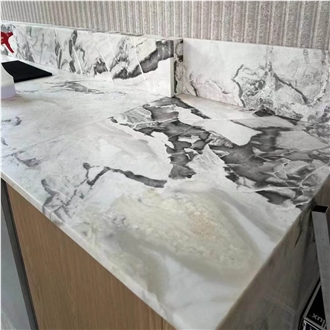
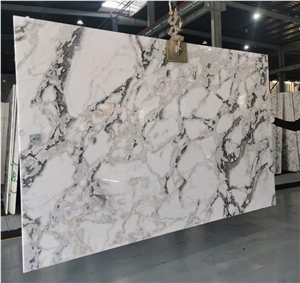
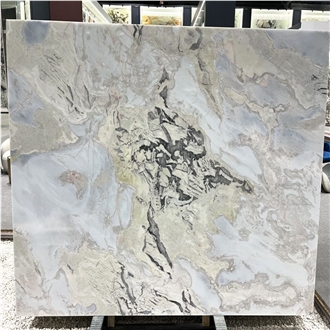
Oyster White Marble is admired for its fluid, graceful veining, which appears as though liquid is flowing naturally across the stone. The elegant interplay of soft whites, light grays, and delicate beige tones creates a refined, luxurious aesthetic. Its dynamic yet balanced veining patterns give a sense of movement, depth, and timeless elegance, making it an ideal material for high-end architectural and interior design projects.

Appearance & Aesthetic Qualities

  • Color Palette: White background with subtle gray and beige tones
  • Texture: Fine to medium grain, smooth, highly polishable
  • Pattern: Fluid, organic veining resembling flowing water
  • Overall Effect: Elegant, dynamic, and sophisticated

Physical & Mechanical Properties (Typical Test Results)

  • Apparent Density (EN 1936): 2,680 – 2,720 kg/m³
  • Water Absorption (EN 13755): 0.1 – 0.25 % by weight
  • Open Porosity (EN 1936): 0.2 – 0.4 %
  • Flexural Strength (EN 12372): 14 – 18 MPa
  • Compressive Strength (EN 1926): 110 – 125 MPa
  • Abrasion Resistance (EN 14157): 22 – 24 mm
  • Mohs Hardness: 3 – 4 (typical for marble)
  • Frost Resistance (EN 12371): Good (when sealed properly)

Chemical & Mineral Composition (% by weight)

  • Calcite (CaCO₃): 92 – 95 %
  • Quartz (SiO₂): 1 – 2 %
  • Mica & Feldspar: 2 – 4 %
  • Trace Minerals (iron oxides, others): < 1 %

The high calcite content gives Oyster White Marble its ability to achieve a mirror-like polish and its refined natural tones.

Applications

  • Interior: Flooring, wall cladding, countertops, vanity tops, staircases, columns, and decorative furniture
  • Exterior (with sealing): Facades, monuments, architectural accents
  • Luxury Projects: Hotels, corporate lobbies, residential interiors, and bespoke artistic installations

Maintenance

  • Seal upon installation to enhance stain and moisture resistance
  • Clean with pH-neutral stone cleaners
  • Avoid acidic or abrasive agents to protect the calcite structure
  • Reseal periodically for optimal longevity in high-traffic or exterior use

FAQ

Is 18 mm Oyster White Marble good for a commercial bathroom top?

Using 18 mm Oyster White Marble for a commercial bathroom top can be a good choice, but there are some considerations to keep in mind: 1. **Aesthetics**: Oyster White Marble offers a classic and elegant appearance that can enhance the overall look of a commercial bathroom. Its light color and subtle veining can create a luxurious atmosphere. 2. **Durability**: Marble is generally durable but can be prone to scratching, staining, and etching, especially in high-traffic areas like commercial bathrooms. Consider how much use and potential abuse the surface might endure. 3. **Maintenance**: Marble requires regular maintenance to keep it looking its best. This includes sealing the stone periodically to protect against stains and using cleaners specifically designed for marble to avoid damage. 4. **Cost**: Marble is often more expensive than other materials, such as granite or quartz, which might be a factor if budget constraints are a concern. 5. **Alternatives**: If youre willing to compromise aesthetics for ease of maintenance and durability, materials like quartz or granite could be considered as alternatives. 6. **Slip Resistance**: If the marble will be used for flooring or areas where water is frequent, ensure that it is slip-resistant or has been treated to enhance traction. Before making a decision, assess the specific requirements and budgetary constraints of your project to ensure that 18 mm Oyster White Marble is the best fit for your commercial bathroom.

Do I have to seal Oyster White Marble kitchen countertop every year?

Yes, it is generally recommended to seal marble countertops, including Oyster White Marble, annually to maintain their appearance and protect them from stains and etching. Marble is a porous material, meaning it can absorb liquids and be susceptible to damage from spills, especially from acidic substances like lemon juice or vinegar. Regular sealing helps create a protective barrier on the surface, reducing the likelihood of staining and making it easier to clean. However, the frequency of sealing can vary based on usage and the specific characteristics of your marble. Its a good idea to check the seal periodically by doing a water test: place a few drops of water on the surface; if the water beads up, your seal is still effective. If the water soaks in, its time to reseal.

How to sanitize glossy polished Oyster White Marble kitchen countertops?

Sanitizing glossy polished Oyster White Marble kitchen countertops requires a careful approach to avoid damaging the stone. Here’s a step-by-step guide to effectively and safely clean and sanitize your marble surfaces: 1. **Gather Supplies**: - pH-neutral dish soap - Warm water - Soft microfiber cloths or non-abrasive sponges - Dry soft cloths - Marble cleaner (optional) - Isopropyl alcohol (optional for deeper sanitization) 2. **Daily Cleaning**: - **Prepare a Solution**: Mix a few drops of pH-neutral dish soap with warm water in a spray bottle. - **Wipe Down**: Spray the solution onto the countertop and use a soft microfiber cloth or non-abrasive sponge to gently wipe the surface. Avoid using excess water, which can seep into the marble and cause damage over time. - **Dry the Surface**: Use a dry, soft cloth to thoroughly dry the marble. This helps prevent water spots and streaks, keeping the surface glossy. 3. **Spot Cleaning**: - Immediately blot off any spills, especially acidic substances like vinegar, citrus, or wine, which can etch the marble’s surface. - Use the cleaning solution to gently clean the stained area. 4. **Sanitizing**: - **Alcohol Solution**: For deeper sanitization, you can use a solution of equal parts water and isopropyl alcohol. This is effective for killing germs but should be used sparingly. Spray the mixture lightly on the surface. - **Wipe and Dry**: Wipe the surface with a clean, soft cloth, and dry immediately to prevent the alcohol from evaporating and potentially dulling the finish. 5. **Specialized Marble Cleaner**: - Consider using a commercial marble cleaner periodically for deeper cleaning and sanitization. Follow the manufacturers instructions carefully. 6. **Avoid the Following**: - Avoid using acidic or abrasive cleaners, such as vinegar, lemon juice, or anything with ammonia or bleach, as these can damage the finish. - Do not use rough sponges or scrub brushes to avoid scratching the surface. 7. **Routine Maintenance**: - To maintain the marble’s glossy finish, ensure it is sealed properly. Reseal your marble countertop as recommended by the manufacturer or installer, typically once a year or as needed. By following these steps, you can keep your Oyster White Marble countertops clean, sanitized, and beautiful for years to come.

What does vinegar do to Oyster White Marble floor tiles?

Vinegar can have a detrimental effect on Oyster White Marble floor tiles. Marble is a porous and calcium-based stone, which makes it susceptible to acidic substances. Vinegar, being acidic, can react with the marble, leading to etching or dull spots on the surface. This reaction can permanently damage the finish by eroding the polished layer, making the marble lose its shine and smooth texture. To clean marble tiles, its best to use pH-neutral cleaning products specifically designed for natural stone or a mild dish soap diluted with water. Ensure to quickly dry the surface with a soft cloth to prevent any potential water spots or streaking. Regular sealing of marble can also help protect its surface from accidental spills or acidic damage.

Is Oyster White Marble heat resistant? Is it suitable for use in fireplaces?

Oyster White Marble, like other natural marble stones, is known for its beauty and elegance. However, when it comes to heat resistance, marble is less heat resistant compared to other materials like granite or engineered stones. Marble can withstand some heat, but it is susceptible to thermal shock, which means that rapid changes in temperature could potentially cause cracking. Additionally, prolonged exposure to high heat can cause discoloration or damage to the stone. For fireplaces, marble can be used as part of the decorative facade or mantel, but it should be kept at a safe distance from direct contact with high heat or flames. If you decide to use Oyster White Marble in a fireplace setting, its advisable to consult with a professional who can implement proper installation techniques and safety measures to ensure the marble is adequately protected from direct heat exposure.

Can scratches on Oyster White Marble table top be fixed?

Yes, scratches on an Oyster White Marble tabletop can often be repaired, although the success of the repair will depend on the depth and severity of the scratches. Heres a general guide on how to address this issue: 1. **Assess the Damage**: Determine the depth of the scratches. Light surface scratches are easier to fix than deep cuts or gouges. 2. **Clean the Surface**: Thoroughly clean the marble with a gentle pH-neutral cleaner to remove any dirt or debris. This makes it easier to see the scratches and assess the extent of the damage. 3. **Light Scratches**: - **Polishing Powder**: For minor scratches, a marble polishing powder can sometimes be used. Follow the instructions on the product, usually involving sprinkling the powder on the scratched area, adding water, and rubbing with a soft cloth in a circular motion. - **Soft Steel Wool**: Use a fine grade (#0000) steel wool to gently buff out light scratches, being careful not to damage the surrounding area further. 4. **Deeper Scratches**: - **Sanding**: For deeper scratches, you may need to use sandpaper. Start with a finer grit (around 400 or 600) and move progressively to a finer grit, like 1000 or 1200, to smooth the surface. - Ensure you use water to keep the area wet while sanding to avoid dust and protect the surface. 5. **Polishing and Sealing**: Once the scratches are adequately buffed out, polish the surface with a marble polish and finish by sealing the marble to protect against future damage. Sealing is crucial as marble is a porous stone. 6. **Professional Help**: If the scratches are too deep or you are not comfortable doing the repair yourself, its best to consult a professional. They have the tools and expertise to handle more significant damage effectively. Remember, marble is a delicate material, and improper care can lead to more damage. Always test products and methods in an inconspicuous area first.

Is Oyster White Marble durable enough for use as walkway pavers?

Oyster White Marble can be used for walkway pavers, but there are several factors to consider regarding its durability and suitability: 1. **Porosity**: Marble is a porous stone, meaning it can absorb water, which might lead to staining and potential damage from freeze-thaw cycles if used in areas with harsh climates. 2. **Hardness and Wear**: While marble is reasonably hard, its not as robust as other stones like granite or some forms of slate. In high-traffic areas, marble can wear down more quickly over time and may develop a patina or show scratches. 3. **Slip Resistance**: Marble can be slippery, especially when wet. It’s important to ensure that any marble used as a paver is treated or finished to enhance slip resistance. 4. **Maintenance**: Marble requires regular sealing to help protect it against staining and weather damage. This is especially important if used outdoors, where it may be exposed to rain, sun, or snow. 5. **Weather Suitability**: In regions with extreme weather conditions, such as freeze-thaw cycles, marble might suffer more than other stones. It’s essential to ensure proper installation with a well-prepared base to minimize movement and cracking. 6. **Aesthetic Preferences**: If the goal is to achieve a specific aesthetic, marble can provide a luxurious and classic look. However, this comes with the trade-off of requiring more maintenance. In summary, while Oyster White Marble can be used for walkway pavers, it is important to consider the local climate, expected foot traffic, slip resistance, and maintenance commitment. For maximum durability and safety, consulting with a professional stone supplier or landscape designer familiar with regional conditions can help ensure the best results.

Does the surface of Oyster White Marble scratch easily?

Oyster White Marble, like other types of marble, is relatively soft and can be prone to scratching. Marble is a natural stone with a lower hardness rating compared to materials like granite or quartz, making it more susceptible to scratches from everyday use and abrasive materials. To minimize scratching, it’s important to use coasters, trivets, and cutting boards, and to avoid dragging heavy or sharp objects across the surface. Regular sealing and proper maintenance can also help protect the marble from surface damage.

Can polished finish Oyster White Marble be used for pool coping?

Polished finish Oyster White Marble can technically be used for pool coping, but there are some important considerations to keep in mind. While marble offers an elegant and sophisticated look, there are potential drawbacks when using it around pools: 1. **Slip Resistance**: A polished finish is smooth and can become very slippery when wet, posing a safety hazard for pool users. For pool coping, a honed or textured finish is often recommended to provide better traction. 2. **Durability and Maintenance**: Marble is a relatively soft and porous natural stone, making it susceptible to scratching, staining, and etching from pool chemicals, salts, and other elements. Regular sealing and maintenance will be required to keep it looking good. 3. **Heat Retention**: Marble can absorb and retain heat, which may become uncomfortable to walk on during hot weather. 4. **Weathering**: Exposure to water and sunlight can cause marble to weather and fade over time. If you decide to use Oyster White Marble for pool coping, consider selecting a finish that enhances slip resistance and be prepared for ongoing maintenance to preserve its appearance and safety. Consulting with a professional who specializes in pool installations and natural stone may also provide additional guidance tailored to your specific project.

Can 18mm Oyster White Marble be used as a kitchen countertop?

Using 18mm Oyster White Marble as a kitchen countertop is possible, but there are several factors to consider before making a decision: 1. **Durability**: Marble is a softer and more porous stone than granite or quartz. It is prone to scratching, staining, and etching, especially in a high-use area like a kitchen. Extra care will be needed to prevent damage. 2. **Thickness**: 18mm (approximately 3/4 inch) is thinner than the typical countertops made from thicker slabs (such as 30mm or 1 1/4 inch) which are standard for kitchen use. A thinner countertop might need additional support and could be more vulnerable to damage from heavy objects. 3. **Sealing**: Marble requires regular sealing to protect against stains and etching. You will need to commit to regular maintenance to keep the countertop in good condition. 4. **Support and Installation**: The countertop must be installed properly to ensure stability, especially with a thinner slab. This might involve additional reinforcement or substrate supports. 5. **Aesthetic**: Marble, including Oyster White, is valued for its beauty and unique veining. If aesthetics are a priority, marble can create a luxurious look in your kitchen. 6. **Cost**: Marble is generally more expensive to install and maintain than some other materials, which is a consideration in budget planning. In summary, while you can use 18mm Oyster White Marble for a kitchen countertop, you should be prepared for regular maintenance and take precautions to prevent damage. It might also require professional evaluation for proper installation and support.

Customer reviews

Customer reviews

Write a Review
Lui**** Portugal

Hi, can you sent me photos and prices of these slabs? Can you export to Portugal»?

Helpful (0) 0Reply

Products & Prices

View More

Hot White Marble

New Marble

Post Your Request

The request includes:
  1. surface finished, size
  2. quantity required