Post Your Needs

Abalone Marble

Marble

China

About

Item Details

Material Type:
Marble
Origin:
China
Recommended Usage:
kitchen and bathroom countertop, wash basins, building stone, ornamental stone, stairs, interior, exterior wall and floor applications, mosaic, water-jet pattern, wall panels, table tops, balustrades, columns, wall and pool copings, pool pavers, sculptures, fireplaces, window sills
Additional Names:
Abalone Stone, Abalone Black Stone, Abalone Black Marble, Black Abalone Stone, Abalone Ash Marble, in China stone market:鲍鱼石(Bàoyú Shí), Abalone Marble
Finished Surface:
Polished,Bush Hammered,Tumbled,Brushed,Honed,Split,Machine Cut,Natural Surface,Sandblasted,Combed,Leathered,Water Jet,Chiseled,Pickling

Testing

Water Absorption:
0.15 - 0.50% by weight
Density:
2680 - 2740 kg/m³
Flexural Strength:
11 - 13 MPa
Compressive Strength:
100 - 120 MPa

Description

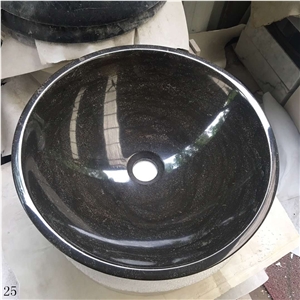
Abalone Marble features a deep, dark charcoal-grey to blackish-green base, creating a moody and sophisticated backdrop. Its dark coloration is complemented by iridescent silvery-white patches and subtle tonal variations that become more pronounced under polished lighting.

Texture & Structure:

The marble has a fine- to medium-grained crystalline texture with a dense, compact structure. The surface exhibits a complex organic character with subtle granular details, delicate mineral variations, and areas of slightly different crystalline density. A polished finish can enhance the stone's depth and reveal a subtle reflective quality within the darker matrix.

Pattern & Veining:

Unlike conventional marbles dominated by linear veins, Abalone Marble is characterized by distinctive swirling and vortex-like formations. Concentric, shell-like patterns and irregular curved mineral structures resemble the interior of an abalone shell, giving the stone its commercial name. Iridescent silvery-white patches and swirling mineral concentrations create a dynamic, organic pattern with considerable movement across the slab.

Technical Characteristics (Indicative):

  • Water Absorption: 0.15–0.50% by weight
  • Density: 2680–2740 kg/m³
  • Flexural Strength: 11–13 MPa
  • Compressive Strength: 100–120 MPa
  • Open Porosity: 0.20–0.80% by volume
  • Hardness: 3–4 Mohs

Mineral Composition (Indicative, % by weight):

  • Calcite: 85–94%
  • Dolomite: 2–7%
  • Quartz: 1–4%
  • Mica/Phyllosilicates: 0–2%
  • Carbonaceous and Iron-Bearing Minerals: 0–2%
  • Accessory Minerals: 0–2%

Chemical Composition (Indicative, % by weight):

  • CaCO₃: 84–93%
  • MgCO₃: 1–5%
  • SiO₂: 1–4%
  • Al₂O₃: 0.1–1.5%
  • Fe₂O₃: 0.2–1.5%
  • MgO: 0.5–2%
  • Other Oxides and Trace Elements: 0–2%

Usage:

Suitable for interior wall cladding, feature walls, luxury flooring, bathroom walls, vanity tops, countertops, backsplashes, fireplace surrounds, reception desks, staircases, tabletops, furniture, decorative panels, columns, and other high-end architectural and interior applications. Selected slabs with suitable translucency may also be considered for backlit installations.

Finishes:

Polished, honed, leathered, brushed, sanded, waterjet, and other custom finishes.

Maintenance:

Clean with a pH-neutral stone cleaner and a soft cloth or mop. Avoid vinegar, lemon juice, acidic cleaners, bleach, abrasive powders, and aggressive cleaning products, as marble is susceptible to acid etching and scratching. Seal according to the stone's porosity and intended application, particularly for countertops, vanities, and bathroom surfaces. Wipe spills promptly, especially oils, wine, coffee, and other staining substances. Use cutting boards and protective pads on countertop and furniture applications.

Note:The technical, mineralogical, and chemical values above are indicative ranges for comparable dark Chinese marbles and should be verified with quarry-specific laboratory testing for formal specifications.

FAQ

I have a Abalone Marble tabletop with a vein that looks broken. Should I glue it?

If your Abalone Marble tabletop has a broken vein, its important to handle the situation carefully to preserve its beauty and integrity. Here are some steps to consider: 1. **Assess the Damage**: Take a close look at the crack to determine its severity. If its a superficial crack, it might not require immediate repair. 2. **Avoid Using Glue Alone**: While it might be tempting to glue the vein, using the wrong adhesive can cause further damage or be visible on the surface. Standard household glues may not be suitable for marble repair. 3. **Consult a Professional**: It’s often best to contact a professional who specializes in stone or marble repair. They’ll be able to assess the damage and recommend the best course of action. 4. **Epoxy Resin for Repair**: If a repair is necessary, a clear or colored epoxy resin specifically designed for stone can be used to fill and repair the crack. This is typically how professionals fix such issues. 5. **DIY Approach**: If you choose to repair it yourself, ensure you have the correct materials and tools: - Clean the surface thoroughly before repair. - Use a marble repair kit or a high-quality stone epoxy. - Follow the instructions carefully to mix and apply the resin. - Allow ample curing time and ensure proper ventilation. 6. **Polishing and Finishing**: After repairing, the surface may need polishing to blend the fixed area with the rest of the table. This may also be best left to professionals to ensure a seamless finish. Taking these steps will help ensure that your Abalone Marble tabletop is properly maintained and continues to look beautiful.

Does Abalone Marble scratch easily?

Abalone marble, often simply called abalone shell or mother of pearl, is a natural material derived from the inner shell layer of certain mollusks. It is known for its iridescent appearance and is used in various decorative applications, including jewelry, musical instruments, and inlays. While it is beautiful, abalone shell is relatively soft compared to other materials such as stone or metal. As a result, it can scratch more easily than harder materials. When used appropriately and handled with care, abalone can maintain its beauty, but its essential to protect it from abrasive surfaces, sharp objects, and harsh chemicals that might cause scratches or damage. For items made with abalone shell, a gentle cleaning with mild soap and water, and avoiding exposure to harsh elements, can help preserve their appearance.

Is Abalone Marble heat resistant? Is it suitable for use in fireplaces?

Abalone Marble is a type of natural stone that is often characterized by its unique and visually appealing pattern and color variation. However, when considering its use for fireplaces, there are a few factors to consider: 1. **Heat Resistance**: Natural marble, including Abalone Marble, is not as heat-resistant as other materials like granite or specially designed heat-resistant tiles. Marble can sometimes discolor, crack, or even become damaged when exposed to high temperatures, particularly if there are abrupt changes in temperature. 2. **Suitability for Fireplaces**: While marble can be used around fireplaces for decorative purposes, such as on the fireplace surround or hearth, it may not be the best choice for areas that will be in direct contact with high heat, such as the interior firebox. If using marble, it is critical to ensure it is not exposed to direct flames or high heat. 3. **Maintenance and Durability**: Marble is porous and can be more susceptible to staining and etching, especially from soot, smoke, or other residues found around fireplaces. Regular sealing and maintenance are needed to maintain its appearance. For a fireplace, it might be worth considering alternative materials that are specifically designed to withstand high temperatures. If you decide to use marble, consult with a professional to ensure proper installation and maintenance.

Can Abalone Marble be used as a mortar and pestle in the kitchen?

Abalone Marble, like other marble types, can technically be used as a material for a mortar and pestle, but there are several considerations to keep in mind: 1. **Porosity and Staining**: Marble is a porous material, which means it can absorb oils, spices, and other ingredients, leading to potential staining and lingering odors. This may not be ideal for a kitchen setting where you want to maintain hygiene and prevent flavor cross-contamination. 2. **Hardness and Durability**: While marble is a durable stone, it is softer than other materials typically used for mortar and pestles, such as granite. This might result in the abrasion of the marble surface over time or even small particles of marble mixing with your ground ingredients. 3. **Maintenance**: Marble requires more care and maintenance compared to harder materials. It can be damaged by acidic substances, which can etch the surface. You’ll need to ensure it’s properly sealed and cleaned to maintain its appearance and functionality. If you decide to use an Abalone Marble mortar and pestle, make sure to seal it properly and clean it immediately after use. For most kitchen purposes, especially if you are looking for efficiency and minimal maintenance, a granite or ceramic mortar and pestle might be a more practical choice.

Can I use bleach when cleaning a Abalone Marble kitchen countertop?

Using bleach on an Abalone Marble kitchen countertop is not recommended. Marble is a natural stone that is sensitive to acidic and harsh cleaning agents, including bleach. These substances can etch, discolor, or damage the marble surface. Instead, its best to clean marble countertops with a pH-neutral cleaner or a solution of warm water and mild dish soap. Use a soft cloth or sponge for cleaning, and avoid abrasive pads or brushes. Always make sure to rinse the surface thoroughly with clean water and dry it with a soft towel to prevent water spots. Regularly sealing the marble can also help protect it from stains and damage.

How can I remove a red sauce stain from a Abalone Marble kitchen countertop?

Removing a red sauce stain from an Abalone Marble countertop can be a delicate process because marble is a porous and sensitive natural stone. Here is a step-by-step method to help you address the stain: 1. **Act Quickly**: The sooner you address the stain, the better the chances of removing it completely. 2. **Blot the Stain**: Use a paper towel or a soft cloth to gently blot up as much of the sauce as possible. Avoid rubbing, as this can spread the stain and push it further into the marbles pores. 3. **Prepare a Cleaning Solution**: Mix a few drops of mild dish soap with warm water to create a gentle cleaning solution. Make sure your dish soap does not contain any acidic ingredients like lemon or vinegar as these can damage marble. 4. **Wipe the Stain**: Dampen a soft cloth or sponge with the cleaning solution and gently wipe the stained area. Rinse the cloth frequently and continue wiping until you see improvement. 5. **Create a Baking Soda Poultice**: If the stain persists, you may need to make a poultice. Mix a small amount of baking soda with water to create a thick paste (the consistency of peanut butter). 6. **Apply the Poultice**: Spread the paste over the stain, covering it completely with a layer about 1/4 inch thick. Cover the poultice with plastic wrap and seal the edges with tape to keep it moist. Let it sit for 24-48 hours. 7. **Remove the Poultice**: After 24-48 hours, gently remove the plastic wrap and allow the poultice to dry completely. Once dry, use a plastic scraper to carefully remove the poultice, and wipe any residue with a damp cloth. 8. **Rinse and Dry**: Rinse the area with clean water to remove any remaining cleaning solution or poultice residue, then dry thoroughly with a soft towel. 9. **Inspect and Repeat if Necessary**: Check the stain. If it’s still visible, you may need to repeat the poultice application. 10. **Seal the Marble**: Once the stain is removed, consider sealing your marble countertop with a quality marble sealant to help protect against future stains. If the stain remains stubborn, it might be worth consulting a professional who specializes in stone restoration to avoid causing damage to your marble surface.

Products & Prices

Hot Marble

New Marble

Post Your Request

The request includes:
  1. surface finished, size
  2. quantity required