Post Your Needs

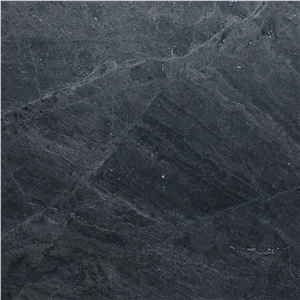
Adriatic Black Marble

Marble

Turkey

About

Item Details

Material Type:
Marble
Origin:
Turkey
Recommended Usage:
Kitchen and bathroom countertops, wash basins, building stone, ornamental stone, stairs, interior, exterior wall and floor applications, mosaic, waterjet pattern, wall panels, table tops, balustrades, columns, wall and pool copings, pool pavers, sculptures, fireplaces
Additional Names:
Adriatic Black Exotic Marble
Finished Surface:
Polished,Bush Hammered,Tumbled,Brushed,Honed,Split,Machine Cut,Natural Surface,Sandblasted,Combed,Leathered,Water Jet,Filled,Chiseled,Pickling

Testing

Water Absorption:
0.24–0.30 %
Density:
2690–2720 kg/m³
Flexural Strength:
12–14?MPa
Compressive Strength:
80–110?MPa

Description

Appearance, Texture & Pattern

  • Background color: Deep, uniform black, providing a dramatic and elegant base.
  • Veining: Contrasting white veins traverse the surface in irregular, flowing patterns, offering a sophisticated and modern visual appeal.
  • Texture: Fine to medium crystalline carbonate (calcite/dolomite) structure. Smooth and dense texture that allows high polish.
  • Pattern behavior: Irregular and dynamic, each slab is unique; suitable for book-matching or vein-matching applications to maximize visual continuity in large installations.

Physical & Mechanical Properties (Typical Values)

  • Bulk density: ~2,680–2,720 kg/m³
  • Water absorption: ~0.24–0.3 %
  • Compressive strength: 80–110 MPa
  • Flexural strength: 12–14 MPa
  • Mohs hardness: 3–4

Chemical & Mineral Composition (Approximate)

Primary minerals: Calcite (CaCO₃) with possible minor dolomite (CaMg(CO₃)₂)

Accessory minerals: Minor quartz, mica, or graphite contributing to veining and color variations

Typical chemical composition (% by weight):

  • CaO: ~50–55 %
  • MgO: <1–2 %
  • SiO₂: <2–3 %
  • Al₂O₃, Fe₂O₃: <1 % each
  • LOI (Loss on Ignition): ~40–45 %

Usage / Applications

  • Luxurious wall cladding in hotels, offices, or residences
  • Countertops, islands, and vanity tops
  • Staircases, risers, and architectural panels
  • Feature floors and flooring in premium interiors
  • Columns, reception desks, and furniture accents

Maintenance

Seal before installation and periodically thereafter to reduce staining and penetration of liquids. Clean with pH-neutral stone cleaners; avoid acidic or abrasive chemicals. Polished surfaces require protection against scratches; use mats or pads under heavy furniture or in high traffic areas. Honed or leathered finishes may need more frequent sealing due to increased surface porosity. In wet areas, ensure proper drainage and slip-resistant treatment.

FAQ

Do fruit juices stain the surface of Adriatic Black Marble?

Adriatic Black Marble is a beautiful and durable natural stone that is often used for countertops and other surfaces. Like most marble, it is composed primarily of calcite, a calcium carbonate mineral that is sensitive to acids. Fruit juices, particularly those with a high acidity like citrus juices, can potentially etch or stain the surface of marble if left in contact for a prolonged period. To minimize the risk of staining or etching: 1. **Wipe Spills Immediately**: Clean up any spills as soon as they occur to prevent the acids from having time to react with the marble surface. 2. **Use Coasters and Trays**: To prevent direct contact of the marble with acidic substances. 3. **Seal the Marble**: Regularly seal the marble surface to provide a protective barrier against stains and etching. While sealing wont make the marble completely impervious, it can help reduce the risk. If a stain does occur, there are specific marble cleaners and poultices designed to treat stains, but be sure to use products recommended for natural stone to avoid causing further damage.

Does the surface of Adriatic Black Marble scratch easily?

Adriatic Black Marble, like many marble surfaces, is susceptible to scratching due to its relatively soft nature compared to other natural stones like granite. Marble is composed mainly of calcite, which is a softer mineral, so it can be scratched by harder materials. To minimize scratching, its important to take precautions such as using cutting boards, placing protective pads under heavy objects, and avoiding dragging items across the surface. Regular sealing and maintenance can also help protect the surface and reduce the likelihood of scratches.

Is 3cm thick Adriatic Black Marble durable enough for use as garden walkway pavers?

Adriatic Black Marble, like many other types of marble, can be used for garden walkway pavers, but there are certain factors to consider regarding its durability and suitability for outdoor use. 1. **Durability**: Marble is a softer stone compared to granite or engineered stone, and it is more susceptible to scratching, chipping, and weathering. A 3cm thickness provides reasonable durability, but over time, exposure to the elements can wear down the surface, especially in a high-traffic area like a walkway. 2. **Weather Resistance**: Marble can be affected by harsh weather conditions. In areas with extreme temperature fluctuations, frequent freeze-thaw cycles can cause the stone to crack or spall. Marble is also prone to staining from organic matter and water absorption, which can affect its appearance over time. 3. **Maintenance**: Regular maintenance, including sealing, cleaning, and possibly polishing, is necessary to keep marble pavers looking their best. This will help protect the surface from stains and minor surface damage. 4. **Aesthetics**: Marble offers a luxurious and classic appearance, which may enhance the aesthetic appeal of your garden. Its polished and elegant look might make it a desirable choice, depending on your design goals. If you decide to use Adriatic Black Marble for your garden walkway, consider: - **Sealing**: Regularly seal the marble to minimize water absorption and reduce the risk of stains. - **Surface Finish**: Opt for a honed or textured finish rather than polished, as this can provide better slip resistance, particularly when wet. - **Installation**: Ensure proper installation with a stable base to minimize movement and uneven settling. If durability and low maintenance are a priority, you might want to explore alternative materials like granite, concrete pavers, or engineered stones that are specifically designed for outdoor use.

Can glossy polished Adriatic Black Marble be used for pool coping?

Using glossy polished Adriatic Black Marble for pool coping can present certain challenges. While marble is an elegant and luxurious material, it is also quite porous and can be slippery when wet, especially in a glossy finish. This can pose safety risks around a pool area. Additionally, the marble might be more susceptible to water absorption and chemical damage from pool chemicals, which could lead to staining or degradation over time. If you are considering using Adriatic Black Marble for pool coping, it might be advisable to opt for a honed or textured finish to improve slip resistance and consult with a professional to ensure proper sealing and maintenance. Its also important to weigh the aesthetic appeal against the practical considerations, including safety and durability.

Can 1.5 cm thick Adriatic Black Marble be used as a kitchen countertop?

Yes, 1.5 cm thick Adriatic Black Marble can be used as a kitchen countertop, but there are some considerations to keep in mind. Marble is a softer and more porous stone compared to other options like granite or quartz, making it more susceptible to scratches, stains, and etching from acidic substances. Additionally, since the thickness is only 1.5 cm, it might require additional support or backing to ensure durability and prevent breakage, especially in areas with overhangs or heavy use. If you decide to use this marble for a kitchen countertop, consider the following: 1. **Sealing**: Regular sealing is necessary to protect the marble from stains and moisture. 2. **Maintenance**: Be prepared for ongoing maintenance and the potential need for professional buffing to address scratches or etching. 3. **Support**: Ensure adequate support and possibly reinforce the marble with plywood or another substrate to enhance its strength and prevent cracking. 4. **Usage**: Be mindful of exposure to acidic foods (like citrus or vinegar), which can cause etching, and use cutting boards and trivets to protect the surface. Overall, while Adriatic Black Marble can be a beautiful choice for a kitchen countertop, it requires a bit more care and maintenance compared to more resilient materials.

How can I maintain Adriatic Black Marble flooring?

Maintaining Adriatic Black Marble flooring involves a combination of regular cleaning, sealing, and preventive care to keep it looking pristine. Here’s a comprehensive guide to help you maintain your marble flooring: 1. **Regular Cleaning:** - **Dust and Sweep:** Use a soft, dry, and non-abrasive mop or a microfibre broom daily to remove particles that can scratch the marble surface. - **Mop with Care:** Use a damp mop with warm water for routine cleaning. Ensure the mop is only slightly dampened to avoid water stains. - **pH-Neutral Cleaner:** Occasionally, use a pH-neutral marble cleaner. Avoid using acidic cleaners like vinegar or lemon juice as they can etch the marble. 2. **Stain Removal:** - **Immediate Action:** Wipe up spills immediately, especially liquids like wine, coffee, and acidic substances which can stain or etch the surface. - **Poultice for Stubborn Stains:** For persistent stains, use a poultice made from baking soda and water (or a store-bought marble poultice). Apply it to the stain, cover it, and let it sit, then gently remove it. 3. **Sealing the Marble:** - **Regular Sealing:** Depending on the foot traffic, seal the marble every 6 to 12 months. A penetrating sealer protects against stains and moisture. - **Application:** Clean the surface thoroughly, apply the sealer with a soft cloth, let it absorb, and wipe off any excess. 4. **Preventive Measures:** - **Rugs and Mats:** Place mats or rugs in high-traffic areas and entry points to minimize dirt and grit. Use non-slip pads underneath to prevent scratching. - **Furniture Pads:** Use felt pads under furniture legs to prevent scratching and movement. - **Avoid High Heels:** High heels can cause significant damage to marble flooring, so its advisable to avoid wearing them indoors. 5. **Polishing:** - **Regular Buffing:** Use a dry, soft cloth to buff the marble for maintained shine. - **Professional Polishing:** Consider professional polishing if the surface becomes dull or scratched over time. 6. **Climate Considerations:** - **Humidity:** Maintain a stable indoor humidity. Use dehumidifiers if necessary, as excessive moisture can affect the marble’s integrity. Following these steps will help keep your Adriatic Black Marble flooring in excellent condition, preserving its natural beauty and durability for years to come.

Is Adriatic Black Marble a suitable choice for facades in cold winter climates?

Adriatic Black Marble can be used for facades in cold winter climates, but there are several factors to consider to ensure its suitability: 1. **Porosity and Water Absorption**: Marble is a porous material, and when used in exterior applications, it can absorb water. In cold climates, this can lead to problems like freeze-thaw cycles where the absorbed water freezes, expands, and may cause cracking or spalling of the stone. 2. **Durability**: Adriatic Black Marble should be evaluated for its density and overall durability. Some marbles are more resilient to weathering and can withstand harsh conditions better than others. 3. **Finish and Surface Treatment**: The finish of the marble may affect its performance. Polished surfaces might be more vulnerable to slipping hazards when wet, while honed or textured finishes might perform better outdoors. Additionally, applying a high-quality sealant can help reduce water absorption. 4. **Maintenance**: Regular maintenance, including cleaning and resealing, may be necessary to maintain the appearance and integrity of marble facades. 5. **Installation**: Proper installation is crucial. This includes ensuring that there is proper drainage and no water can pool or seep behind the cladding, as this could exacerbate freeze-thaw damage. 6. **Local Conditions**: Consider the specific environmental conditions of the installation site, including temperature fluctuations, precipitation, and exposure to de-icing chemicals or salts, which can impact marbles longevity and appearance. If you choose Adriatic Black Marble for a facade in a cold climate, it is advisable to consult with a stone professional or architect who can assess the specific conditions and recommend any necessary treatments or precautions.

Products & Prices

Hot Marble

New Marble

Post Your Request

The request includes:
  1. surface finished, size
  2. quantity required