Post Your Needs

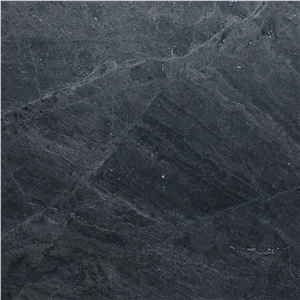
Adriatic Blue Marble

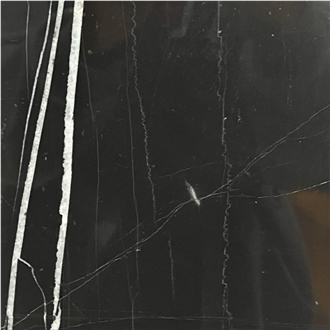
Black - Marble

Turkey

About

Item Details

Material Type:
Marble
Origin:
Turkey
Primary Color(s):
Black
Recommended Usage:
Ornamental stone, interior, exterrior, wall, floor
Additional Names:
Adriatic Black Marble, Adriatic Blue Marble

Description

As a kind of black marble from Turkey, Adriatic Blue Marble is commonly used in ornamental stone, interior, exterrior, wall, floor and so on. Adriatic Blue Marble can also be called Adriatic Black Marble.

FAQ

Do fruit juices stain the surface of Adriatic Blue Marble?

Adriatic Blue Marble, like many other types of natural stone, can be susceptible to staining if it is not properly sealed and maintained. Fruit juices, which are often acidic and pigmented, can potentially stain and etch the surface of marble. Acidic substances can react with the calcium carbonate in marble, leading to dulling or etching, while the pigments can penetrate the stone and cause staining. To protect Adriatic Blue Marble, it is important to seal it regularly with a high-quality sealant, clean up spills promptly, and use coasters or placemats to minimize direct contact with acidic substances. If a stain does occur, it’s advisable to consult a professional for the best stain removal method.

Does the surface of Adriatic Blue Marble scratch easily?

The term Adriatic Blue Marble likely refers to a type of marble known for its distinctive blue color, which may be used in certain interior or exterior applications. Like most marble, Adriatic Blue Marble can be prone to scratching, as marble is a softer, more porous natural stone compared to other options like granite or quartz. However, the susceptibility to scratching depends on various factors such as the finish, the specific application, and the level of traffic or use. Polished marble surfaces are more susceptible to showing scratches due to their high-gloss finish. Honed marble, which has a matte finish, is generally better at concealing minor scratches but can still be damaged. To minimize scratching, it is important to take care of marble surfaces by using cutting boards, trivets, and non-abrasive cleaning methods. Regular sealing of the marble can also help protect it from scratches, stains, and etching.

Is 3cm thick Adriatic Blue Marble durable enough for use as garden walkway pavers?

Adriatic Blue Marble, like many natural stones, can be used for garden walkways, but there are some considerations to ensure its suitability and longevity. A thickness of 3 cm (approximately 1.18 inches) is generally adequate for walkway pavers, particularly for pedestrian use. Here are a few factors to consider: 1. **Durability**: Marble is a relatively durable natural stone, though it is softer and more porous than granite. For light to moderate foot traffic in a garden setting, 3 cm thick marble should typically hold up well if installed properly. 2. **Slip Resistance**: Marble can become slippery when wet, which might be a concern depending on your gardens climate and typical weather conditions. It might be beneficial to choose a marble with a honed or textured finish to improve traction. 3. **Maintenance**: Marble is susceptible to staining and can be affected by acidic substances, including fertilizers and certain soil types. Sealing the stone can help protect it from stains and weathering, but it will require regular maintenance. 4. **Installation**: Proper installation is crucial. The marble should be laid on a stable and well-prepared base to prevent shifting or cracking over time. Drainage should also be considered to prevent water pooling on the marble surface. 5. **Choice of Stone**: Ensure that the specific variant of Adriatic Blue Marble you are considering is suitable for outdoor use, as natural stone properties can vary across different quarries and types. In conclusion, while 3 cm Adriatic Blue Marble can be used for garden walkways, its success will depend on proper installation, maintenance, and addressing any potential safety concerns like slipperiness. Always consult with a professional contractor to assess your specific needs and conditions.

Can glossy polished Adriatic Blue Marble be used for pool coping?

Yes, glossy polished Adriatic Blue Marble can be used for pool coping, but there are a few considerations to keep in mind. While the aesthetic appeal of this marble is undoubtedly high due to its vibrant color and polished finish, you should consider the following factors: 1. **Slip Resistance**: Polished marble surfaces can be quite slippery when wet, which may pose a safety hazard around a pool area. To address this, you can opt for a honed or matte finish on the marble, which provides better traction. 2. **Durability**: Marble is a natural stone and can be more prone to wear and weathering from pool chemicals, water, and UV exposure. Regular sealing and maintenance will be essential to preserve its look and prevent damage like etching or staining. 3. **Heat Retention**: Being a natural stone, marble can retain heat from the sun, which might make it uncomfortable to walk on barefoot during hot weather. 4. **Chemical Reaction**: Pool chemicals, especially chlorine, can affect marble over time, so its important to use a high-quality sealant specifically designed for natural stone used in pool areas. If you decide to use Adriatic Blue Marble for your pool coping, ensure proper treatment and maintenance to prolong its life and beauty. Consulting with a professional installer who has experience with natural stone in aquatic environments is also recommended.

Can 1.5 cm thick Adriatic Blue Marble be used as a kitchen countertop?

Using 1.5 cm thick Adriatic Blue Marble as a kitchen countertop is possible, but it may not be the best choice for several reasons: 1. **Durability**: Marble is generally softer and more porous than other natural stones like granite. This means it can scratch, stain, and etch more easily, especially in a high-use area like a kitchen countertop. 2. **Thickness**: At 1.5 cm, the marble slab is relatively thin for a kitchen countertop. Typically, countertops are made from thicker slabs (around 3 cm) to ensure durability and strength. Thinner slabs may require additional support to prevent cracking or breakage. 3. **Support and Reinforcement**: If you decide to use a 1.5 cm thick slab, you will likely need to reinforce it with a substrate, such as plywood, and add edge details that can help give the appearance of a thicker slab, as well as additional strength. 4. **Sealing and Maintenance**: Marble requires regular sealing to help protect against stains and etching. It also requires consistent maintenance to look its best over time. 5. **Aesthetic Considerations**: If you are drawn to the beauty of Adriatic Blue Marble, consider how its appearance and potential patina over time might align with your design vision for your kitchen. If you are set on using Adriatic Blue Marble for its aesthetic qualities, be prepared for the additional care and reinforcement solutions needed. Otherwise, it may be beneficial to consider materials better suited for countertop use, like granite or quartz, which offer greater durability and lower maintenance.

How can I maintain Adriatic Blue Marble flooring?

Maintaining Adriatic Blue Marble flooring involves regular cleaning, protective measures, and periodic checks to ensure its longevity and aesthetic appeal. Here are some guidelines to help you maintain your marble flooring: 1. **Regular Cleaning:** - **Sweep or Vacuum:** Regularly remove dust and debris using a soft-bristle broom or a vacuum cleaner with a suitable floor attachment to avoid scratches. - **Mop Gently:** Use a damp mop with warm water for routine cleaning. Make sure the mop is not too wet, as excessive water can cause damage. - **pH-Neutral Cleaner:** Occasionally, use a pH-neutral, non-abrasive cleaner specifically formulated for marble. Avoid acidic or alkaline cleaners, as they can damage the marble. 2. **Spill Management:** - **Immediate Wipe-Up:** Quickly clean spills, especially acidic substances like citrus juice, wine, or vinegar, to prevent staining or etching. - **Blot, Dont Wipe:** Blot spills with a soft cloth instead of wiping to prevent spreading the liquid. 3. **Protective Measures:** - **Use Mats and Rugs:** Place mats or area rugs in high-traffic areas and near entryways to reduce wear and capture dirt. - **Furniture Pads:** Use felt pads under furniture legs to prevent scratches and marks. - **Avoid Sharp Objects:** Be cautious with objects that can scratch the marble surface. 4. **Sealing:** - **Regular Sealing:** Marble is porous, so apply a quality stone sealant periodically, typically every 6 to 12 months, depending on the usage and the manufacturers recommendation. This helps protect against stains and water penetration. 5. **Professional Care:** - **Polishing and Restoration:** Consider professional polishing every few years to restore shine and address any etching or dull spots. - **Inspection:** Regularly inspect for cracks or damages and consult a professional for repairs if necessary. 6. **Avoiding Direct Sunlight:** - **Use Curtains or Blinds:** Limit exposure to direct sunlight, as it can fade the color of the marble over time. Use curtains or blinds to reduce sunlight exposure if needed. By following these maintenance steps, you can keep your Adriatic Blue Marble flooring looking beautiful and extend its life.

Is Adriatic Blue Marble a suitable choice for facades in cold winter climates?

Adriatic Blue Marble can be a suitable choice for facades in cold winter climates, but several factors should be considered to ensure its appropriateness and longevity. Here are some points to keep in mind: 1. **Durability**: Adriatic Blue Marble is generally durable, but you should verify its specific properties and resistance to freeze-thaw cycles. The presence of any micro-cracks or porosity can lead to water absorption, which can cause damage during freezing temperatures. 2. **Finish**: The surface finish can impact its suitability. A honed or polished finish might be more prone to becoming slippery in icy conditions, while a textured finish may provide better traction and resistance. 3. **Maintenance**: Regular maintenance, including sealing the stone, can help protect it from harsh weather conditions. Sealing can reduce water absorption and provide some resistance to staining and weathering. 4. **Color Stability**: The aesthetic appeal of the marble should be considered, but ensure that the color and appearance will endure through the seasonal changes and potential exposure to de-icing chemicals or pollutants. 5. **Installation**: Proper installation is crucial in ensuring that the marble performs well in a cold climate. This includes appropriate anchoring systems and consideration of thermal expansion and contraction. Consulting with a professional stone supplier or an architect experienced in using natural stone in your specific climate is recommended. They can provide insights into both the practical aspects and the potential need for specific treatments or additional products to ensure the marbles performance over time.

Can Turkey's Adriatic Blue Marble be used exterior applications in cold climates?

Yes, Turkeys Adriatic Blue Marble can be used for exterior applications in cold climates. It is a durable and natural stone that is resistant to extreme weather conditions, including cold temperatures. The stones strength and versatility make it suitable for various exterior applications such as cladding, paving, and countertops in cold climate regions. However, it is always recommended to consult with a professional stone supplier or installer to ensure proper installation techniques are followed and to address any specific concerns related to the climate and application.

Can Turkey's Adriatic Blue Marble be used in landscaping?

Yes, Turkeys Adriatic Blue Marble can be used in landscaping. This type of marble is known for its vibrant blue color and unique patterns, which can add a touch of luxury and elegance to any outdoor space. It can be used to create stunning pathways, driveways, patio areas, or as decorative accents in garden beds or water features. Additionally, the durable nature of the marble makes it suitable for withstanding various weather conditions and foot traffic, making it a popular choice for outdoor landscaping projects.

Products & Prices

Hot Black Marble

New Marble

Post Your Request

The request includes:
  1. surface finished, size
  2. quantity required