


 Greece
Can Greece's Agios Kirilos Marble be used exterior applications in very rainy climates?
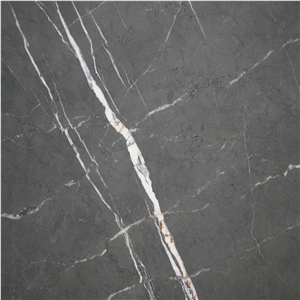
Agios Kirilos Marble is a type of marble quarried in Greece, known for its white and grey veins. While marble is generally considered durable, it is important to consider a few factors before using it in exterior applications in very rainy climates:
1. Porosity: Marble is a porous material, meaning it can absorb water. In very rainy climates, constant exposure to water can lead to staining, deterioration, and discoloration of marble. Sealing the marble with an appropriate and regular maintenance schedule can minimize the water absorption to some extent.
2. Freeze-Thaw Cycle: In regions with freezing temperatures, the expansion of water as it freezes can cause marble to crack or spall over time. If the climate experiences frequent freezing cycles with the presence of water, it can impact the durability of marble in exterior applications.
3. Proper Installation: The proper installation of the marble, such as using the right adhesive and sealing techniques, can help enhance its resistance to moisture and ensure its long-term performance.
4. Maintenance: Regular cleaning and maintenance of the marble surfaces are crucial in rainy climates. This includes removing any standing water, drying the surfaces, and avoiding the accumulation of debris or organic material that can promote water absorption and potential damage.
In summary, while Agios Kirilos Marble can be used in exterior applications in rainy climates, it requires proper installation, maintenance, and sealing to minimize potential issues caused by water absorption and freeze-thaw cycles. Consulting with a professional or marble specialist for specific recommendations based on the local climate conditions is advisable.

 9YR

 China


 Turkey


 Italy

 Iran


 India


 Myanmar