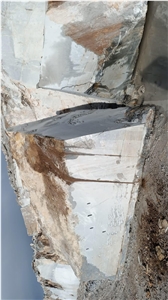
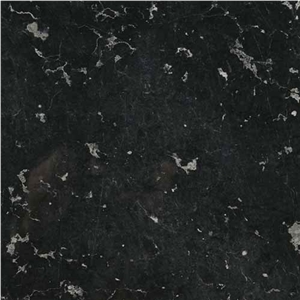
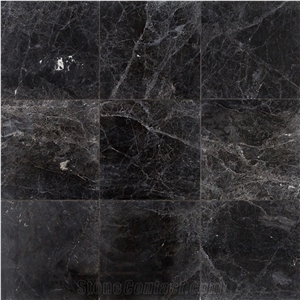
The Aksehir Black Marble from Turkey is known for its beautiful black color and various applications such as interior flooring, wall cladding, and countertops. However, when considering its usage in very rainy climates for exterior applications, there are a few considerations to keep in mind.
1. Water Absorption: Marble is a natural stone and is porous, which means it can absorb water. In very rainy climates, the constant exposure to rain can lead to increased water absorption and potential damage to the marble. Over time, the absorbed water can cause the stone to crack, discolor, or develop mold or mildew.
2. Freezing Temperatures: In addition to rain, if the climate also experiences freezing temperatures, the water absorbed by the marble can freeze and expand, leading to cracking or other structural damage. This can further worsen the durability and lifespan of the marble.
3. Maintenance: Exterior marble surfaces in rainy climates typically require more frequent maintenance to prevent water damage. Regular sealing and re-sealing of the marble surface can help reduce water absorption and enhance its resistance to weathering.
4. Alternative Options: Consider other materials, such as granite or porcelain tiles, which are more resistant to water absorption and better suited for exterior applications in rainy climates.
In conclusion, while Aksehir Black Marble can be used for exterior applications in rainy climates, it might not be the most ideal choice due to its inherent vulnerability to water damage. It is advisable to consult with stone professionals or architects experienced in such climates to determine the most suitable material for your specific requirements.


 Turkey





 United States

 Spain

 Italy
 Tunisia

 Pakistan

 France

 China

 Iran


 Myanmar


