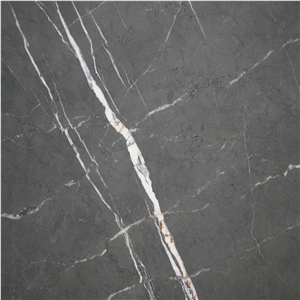
Amadeus Bluette Marble

About
Item Details
- Material Type:
- Marble
- Origin:
Portugal (Estremoz, Evora) - Primary Color(s):
- Grey
- Recommended Usage:
- Kitchen and bathroom countertops, wash basins, building stone, ornamental stone, stairs, interior, exterior wall and floor applications, mosaic, waterjet pattern, wall panels, table tops, balustrades, columns, wall and pool copings, pool pavers, sculptures, fireplaces
- Additional Names:
- Amadeus White Marble, Amadeus Blue Marble, Estremoz Bluette Marble, Amadeus Bluette
- Finished Surface:
- Polished,Bush Hammered,Tumbled,Brushed,Honed,Split,Machine Cut,Natural Surface,Sandblasted,Combed,Leathered,Water Jet,Filled,Chiseled,Pickling
Testing
- Water Absorption:
- 0.1 %
- Density:
- 2700 kg/m3
- Flexural Strength:
- 17.3 MPa
- Stone texture:
- features a white background with bluish dark gray spots and natural patterning marble
Description
Amadeus Bluette Marble
Amadeus Bluette Marble is an exquisite natural stone quarried in the Estremoz region of Evora, Portugal. It is known for its sophisticated aesthetic, characterized by a pristine white background accentuated by bluish dark gray spots and natural veining patterns. The presence of these unique markings makes it a favored choice for various interior and exterior applications.
Colors
- White background
- Bluish dark gray spots
- Natural veining patterns
Physical and Mechanical Properties
- Water Absorption: 0.1%
- Density: 2700 kg/m³
- Flexural Strength: 17.3 MPa
- Compressive Strength: Typically ranges around 120-150 MPa, though specific values can vary depending on the precise block of marble.
- Hardness: Comparable to other marbles, typically measures around 3-4 on the Mohs scale of mineral hardness.
- Porosity: Generally low, contributing to its resistance to staining.
- Slip Resistance: Surface-dependent, with honed finishes offering better slip resistance compared to polished surfaces.
Chemical and Mineral Composition
- Calcium Carbonate (CaCO3): Majority of the composition, typically around 90-95% by weight.
- Silica (SiO2): Approximately 2-5% by weight.
- Alumina (Al2O3): Less than 2% by weight.
- Iron Oxides (Fe2O3): Trace amounts, contributing to slight color variations.
- Magnesium Carbonate (MgCO3): Present in small quantities.
Usage
- Interior Applications: Floor tiles, wall cladding, countertops, bathroom vanities, fireplaces, and staircases.
- Exterior Applications: Facades, columns, and garden sculptures (when adequately treated).
- Decorative Elements: Ideal for creating a luxurious and elegant ambiance.
Maintenance
- Regular cleaning with a pH-neutral cleaner to prevent surface etching.
- Sealing is recommended to enhance stain resistance.
- Avoid acidic cleaners that may damage the marble surface.
Cutting Sizes (common options in cm)
- Tiles: 30x30, 40x40, 60x30, 60x60
- Slabs: Custom sizes based on project requirements but typically around 240x120 cm
Common Surface Finish Options
- Polished: High-gloss finish that highlights the natural patterns and colors.
- Honed: Smooth, matte finish offering a more understated look compared to polished surfaces.
- Brushed: Textured finish that provides a rustic appearance while enhancing slip resistance.
- Sandblasted: Coarse finish obtained by blasting the surface with sand or another abrasive material, providing a weathered look.
In conclusion, Amadeus Bluette Marble is a versatile and sophisticated choice for many architectural and decorative applications. Its distinct coloration, coupled with its durability and variety of finish options, allow it to be tailored to suit diverse design preferences and functional needs.
FAQ
Yes, Portugals Amadeus Bluette Marble can be used in an office. Marble is a versatile and elegant natural stone that is commonly used for various applications in interior design, including office spaces. It can be used for office floors, walls, reception counters, conference tables, and other surfaces to create a sophisticated and professional atmosphere. Amadeus Bluette Marble, in particular, features a combination of blue and grey tones with unique veining patterns that can add a touch of luxury and aesthetic appeal to an office environment.
Can Portugal's Amadeus Bluette Marble be used exterior applications in cold climates?
Portugals Amadeus Bluette Marble is commonly used in interior applications due to its moderate durability and susceptibility to weathering. However, it can be used in exterior applications in cold climates with proper care and maintenance.
In cold climates, marbles can be affected by freeze-thaw cycles, where moisture seeps into the stone, freezes, and then expands, causing the stone to crack or deteriorate over time. To mitigate these issues, it is recommended to use a frost-resistant marble for exterior applications.
While Amadeus Bluette Marble is not specifically categorized as frost-resistant, some suppliers may offer treatments or sealants that enhance its resistance to freeze-thaw cycles. Applying such treatments and ensuring regular maintenance can help improve its longevity in cold climates.
It is crucial to consult with a reputable supplier or stone professional to assess the specific qualities of Amadeus Bluette Marble and determine its suitability for exterior use in cold climates. Additionally, they can recommend proper installation techniques and maintenance practices to ensure the marbles performance and longevity in these conditions.
What is the coefficient of friction of Leathered Portugal's Amadeus Bluette Marble tiles?
The coefficient of friction of a specific type of marble tile, such as Leathered Portugals Amadeus Bluette Marble tiles, would generally need to be tested in a laboratory or by conducting slip resistance tests. Different factors, such as the surface finish, weight, and angle of the inclined plane, can affect the coefficient of friction. Therefore, it is not possible to provide an accurate value without conducting specific tests on the tiles in question.
What grade is Portugal's Amadeus Bluette Marble?
Portugals Amadeus Bluette Marble is considered to be of premium grade.
What is the average hardness of Portugal's Amadeus Bluette Marble?
The average hardness of Portugals Amadeus Bluette Marble is 3 on the Mohs scale.
Can Portugal's Amadeus Bluette Marble be used outdoors?
Portugals Amadeus Bluette Marble can be used outdoors, but it may not be the most suitable option. Marble is a natural stone that is more susceptible to weathering and erosion compared to other materials like granite or quartzite. Outdoor exposure to elements such as rain, sun, and temperature fluctuations can cause the marble to fade, crack, or deteriorate over time. Additionally, marble is also more prone to staining and etching when exposed to acidic substances or certain cleaning products. Therefore, if using Amadeus Bluette Marble outdoors, it is crucial to ensure proper sealing and maintenance to enhance its durability and longevity.
Can Portugal's Amadeus Bluette Marble be used in landscaping?
Yes, Portugals Amadeus Bluette Marble can be used in landscaping. It is a type of marble that features beautiful shades of blue and grey, making it an attractive choice for outdoor projects. It can be used for various landscaping purposes such as garden pathways, patio flooring, retaining walls, decorative accents, and even pool surrounds. However, it is important to note that marble is a natural stone and may require regular maintenance to keep its aesthetics and durability intact in outdoor settings.
Are there color variations of Portugal's Amadeus Bluette Marble?
Yes, there are color variations of Portugals Amadeus Bluette Marble, although the range of variations may be limited. Marble is a natural stone, and different quarries or regions may produce slightly different shades or patterns within the same type of marble. Additionally, variations in the mineral composition and geological formations can lead to color variations. It is always recommended to see the actual marble slabs or samples in person to determine the specific color variations.
How thick is Portugal's Amadeus Bluette Marble slabs?
I cannot provide current information as the thickness may vary depending on different factors and suppliers. However, a typical thickness for marble slabs is 2 cm (0.78 inches) or 3 cm (1.18 inches). It is best to check with the specific supplier for the thickness of their Amadeus Bluette Marble slabs.
Is Portugal's Amadeus Bluette Marble an expensive stone?
I dont have access to current market prices, but in general, Amadeus Bluette Marble is considered a high-end luxurious stone, and its price may vary depending on factors such as quality, availability, and demand.