Post Your Needs

Amber White Marble

Marble

China

About

Item Details

Material Type:
Marble
Origin:
China
Recommended Usage:
kitchen and bathroom countertop, wash basins, building stone, ornamental stone, stairs, interior, exterior wall and floor applications, mosaic, water-jet pattern, wall panels, table tops, balustrades, columns, wall and pool copings, pool pavers, sculptures, fireplaces, window sills
Additional Names:
Amber White Jade Marble, Guangxi White Jade Marble, Guangxi White Marble, Hupo Baiyu Marble, in China stone market:琥珀白玉(Hǔ Pò Bái Yù)
Finished Surface:
Polished,Bush Hammered,Tumbled,Brushed,Honed,Split,Machine Cut,Natural Surface,Sandblasted,Combed,Leathered,Water Jet,Chiseled,Pickling

Testing

Water Absorption:
0.20 - 0.30 wt%
Density:
2680 - 2730 kg/m³
Flexural Strength:
10 - 13 MPa
Compressive Strength:
100 - 120 MPa

Description

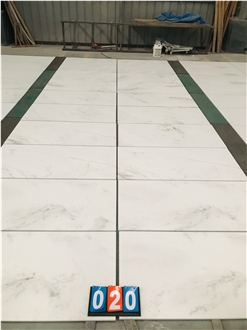
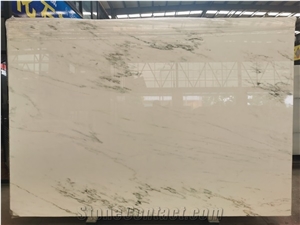
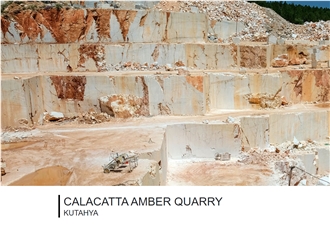
Amber White Marble is an elegant natural stone quarried in Hezhou, Guangxi, China. It features a pale, creamy off-white to very light jade-toned background with subtle warm undertones. Its fine, sparkling mineral flecks and gentle translucency create a soft, luminous appearance, while faint natural shadows add depth without disrupting the overall uniformity. The understated coloration and delicate shimmer make it suitable for refined residential and commercial interiors.

Texture & Structure

The stone displays a dense, granular, sugar-like crystalline texture composed of tiny mineral grains that catch and reflect light. Its relatively uniform appearance is complemented by subtle variations in grain size and tone. When polished, the surface develops a smooth, glossy finish that enhances its crystalline sparkle and gentle luminosity. The degree of translucency depends on slab thickness, mineral composition and lighting conditions.

Pattern & Veining

Amber White Marble is characterized by a restrained, low-contrast pattern rather than prominent veins or dramatic color movement. Its creamy white to pale jade background is enriched by fine crystalline flecks, soft tonal variations and occasional faint shadows. The overall effect is clean, refined and quietly shimmering, making it suitable for large surfaces where visual continuity is desired. Individual slabs may exhibit natural differences in grain distribution, translucency and background tone.

Technical Characteristics

The following figures are preliminary estimates for database drafting only. They are not verified laboratory results for this specific material. Obtain quarry-specific test reports before publishing definitive specifications.

  • Water Absorption: 0.20–0.30 wt%
  • Bulk Density: 2,680–2,730 kg/m³
  • Flexural Strength: 10–13 MPa
  • Compressive Strength: 100–120 MPa
  • Mohs Hardness: Approximately 3–4
  • Porosity: Low to moderate; laboratory testing required
  • Abrasion Resistance: Moderate; dependent on composition and finish

Chemical Composition (% by Weight)

Illustrative reference ranges for carbonate-rich marble; the actual composition of Amber White Marble has not been confirmed by chemical analysis.

  • Calcium Carbonate (CaCO₃): 85–97%
  • Magnesium Carbonate (MgCO₃): 1–10%
  • Silicon Dioxide (SiO₂): 0.5–4%
  • Iron Oxides (total Fe₂O₃ equivalent): 0.1–1.5%
  • Aluminium Oxide (Al₂O₃): 0.1–1%
  • Other components and trace minerals: Balance

Mineral Composition (% by Weight)

Indicative ranges only; actual proportions require petrographic analysis.

  • Calcite: 80–96%
  • Dolomite: 1–12%
  • Quartz: 0.5–4%
  • Feldspar and other silicate minerals: 0–3%
  • Mica and accessory minerals: 0–2%
  • Other minerals: Variable

The crystalline, sugar-like texture may be associated with recrystallized carbonate minerals. The actual mineral proportions and any contribution from silicate minerals must be confirmed through petrographic examination.

Recommended Applications

  • Interior wall cladding and decorative feature walls
  • Hotel lobbies, reception areas and commercial interiors
  • Bathroom vanity tops and washbasins
  • Residential living rooms, hallways and entrance areas
  • Interior flooring in suitable residential and commercial spaces
  • Kitchen countertops, subject to appropriate sealing and care
  • Tabletops, coffee tables and custom furniture
  • Decorative columns, fireplace surrounds and architectural details
  • Bookmatched panels and minimalist interior designs

For wet areas, high-traffic flooring and exterior applications, confirm the material's slip resistance, chemical sensitivity, strength and weathering performance before specification.

Usage & Maintenance

  • Clean regularly with a soft cloth or mop and a pH-neutral stone cleaner.
  • Avoid acidic cleaners, vinegar, lemon juice and abrasive cleaning products, which may etch or dull carbonate-rich marble.
  • Wipe up coffee, wine, oils and other staining substances promptly.
  • Test a suitable impregnating sealer on a sample to determine whether sealing is beneficial.
  • Use cutting boards and heat-resistant mats on countertop surfaces.
  • Avoid harsh polishing compounds that may alter the stone's natural sheen.
  • Inspect slabs for natural fissures, filled areas and variations in crystalline texture before fabrication.
  • For flooring, choose an appropriate finish and verify slip resistance for the intended environment.
  • Have a qualified stone-care professional address etching, scratches or loss of polish.

FAQ

Does a leathered or brushed finish Amber White Marble make natural stone stain-proof?

A leathered or brushed finish on Amber White Marble can enhance its appearance and texture, but it does not make the stone stain-proof. Both finishes can help reduce the stones porosity to some extent compared to a highly polished finish, which might make it slightly more resistant to stains. However, marble is naturally porous, and it is susceptible to staining from various substances, such as oils, wine, and acids. To improve the stain resistance of Amber White Marble, it is often recommended to apply a quality stone sealer specifically designed for marble surfaces. Sealing provides a protective layer that can help prevent substances from penetrating the stone and causing stains. Its important to regularly reseal marble, as recommended by the manufacturer, to maintain its protection over time. Regular maintenance, prompt cleanup of spills, and avoiding the use of harsh or acidic cleaners are also crucial practices in preventing stains and preserving the beauty of marble surfaces.

Why can acidic cleaners damage Amber White Marble but not affect every granite in the same way?

Acidic cleaners can damage Amber White Marble due to its composition. Marble is primarily composed of calcium carbonate, which reacts with acids in a chemical process called acid etching. This reaction can cause visible damage such as dull spots, loss of polish, or surface roughness, compromising the marbles aesthetic and integrity. On the other hand, granite is typically composed of harder and more acid-resistant minerals like quartz, feldspar, and mica. Consequently, granite is generally more resilient to acidic substances and less likely to suffer from surface damage when exposed to acidic cleaners. However, its important to note that not all granites are equally resistant to acids, and prolonged or repeated exposure to acidic substances might still cause some types of granite to exhibit surface damage. Additionally, the finish and sealant applied to the granite can affect its resistance to acid etching. Therefore, its always best to use pH-neutral cleaners for all natural stone surfaces to maintain their appearance and longevity.

Can I use vinegar, bleach, or household bathroom cleaners on Amber White Marble?

Using vinegar, bleach, or household bathroom cleaners on Amber White Marble is not recommended. Marble is a natural stone that is particularly sensitive to acidic and harsh substances. Vinegar is acidic, and bleach and many household cleaners can be too harsh for marble surfaces, potentially leading to etching, discoloration, or damage to the stone. For cleaning Amber White Marble, its best to use a pH-neutral cleaner specifically formulated for natural stone. Alternatively, you can use a mild dish soap mixed with water. Always ensure that any cleaner you use is safe for marble and test it on a small, inconspicuous area first. Use a soft cloth or sponge to clean the surface, and avoid abrasive materials that may scratch the marble. After cleaning, its also a good practice to rinse the surface with clean water and dry it with a soft cloth to prevent water spots.

How should Amber White Marble be maintained in high-traffic commercial areas?

Maintaining Amber White Marble in high-traffic commercial areas requires careful planning and regular attention to preserve its appearance and longevity. Here are some maintenance tips: 1. **Regular Cleaning:** - Perform daily cleaning with a soft, dry dust mop to remove dirt and debris. - Use a pH-neutral, non-abrasive stone cleaner specifically designed for marble for wet cleaning. Avoid acidic or alkaline cleaners, as they can damage the stone. - Immediately clean up spills to prevent staining. 2. **Sealing:** - Apply a high-quality penetrating sealer designed for marble. The frequency of resealing depends on the amount of traffic and usage but generally ranges from every six months to annually. 3. **Polishing:** - Periodically polish the marble to maintain its shine, using a suitable marble polishing compound. This might be needed every few months in high-traffic areas. 4. **Protection:** - Use mats or rugs in entryways to catch dirt and grit before it reaches the marble surface. - Place protective pads under furniture legs to prevent scratching. 5. **Stain Removal:** - Address stains promptly using a poultice specifically designed for marble stains. Each type of stain—oil, organic, or metal—may require a different treatment. 6. **Professional Maintenance:** - Consider periodic professional deep cleaning and restoration services to address issues like deep stains, scratches, or etching that are beyond regular maintenance. 7. **Avoid:** - Avoid using vinegar, lemon juice, or other acidic substances for cleaning. - Do not use abrasive scrubbing pads or brushes that can scratch the surface. By implementing these practices, you can maintain the beauty and integrity of Amber White Marble in commercial settings.

Is Amber White Marble suitable for bathroom walls and vanity tops?

Yes, Amber White Marble can be a suitable choice for bathroom walls and vanity tops. This type of marble is known for its elegant appearance and can add a luxurious feel to a space. Its light color and subtle veining can create a serene and clean aesthetic, which is often desired in bathroom designs. However, there are a few considerations to keep in mind: 1. **Porosity**: Like most natural stones, marble is porous. It can absorb moisture, which may lead to staining or etching, especially when exposed to acidic substances. To reduce this risk, it is important to seal the marble regularly. 2. **Maintenance**: Marble requires regular maintenance to keep it looking pristine. This includes gentle cleaning with pH-neutral cleaners and wiping up spills promptly to prevent damage. 3. **Durability**: While marble is generally durable, it can be susceptible to scratching and chipping. Take care to avoid heavy impacts and use coasters or pads under items on vanity tops. 4. **Cost**: Marble can be more expensive compared to other materials, so its important to consider your budget when planning your bathroom design. If you’re prepared to commit to the maintenance and care that marble requires, Amber White Marble can be a stunning and functional choice for bathroom walls and vanity tops.

Can Amber White Marble be used as a statement wall in a luxury interior?

Yes, Amber White Marble can certainly be used as a statement wall in a luxury interior. Its unique blend of white with amber and golden veining adds a touch of elegance and sophistication, making it an excellent choice for creating a luxurious and eye-catching focal point. The natural beauty and distinctive patterns of the marble can enhance the aesthetic appeal of the space, complementing various design styles from classic to contemporary. Moreover, using high-quality marble for a statement wall not only adds visual interest but also reflects a sense of opulence and refinement. It is advisable to ensure that the rest of the interior design harmonizes with the marble to maintain a cohesive and tasteful look.

Products & Prices

View More

Hot Marble

New Marble

Post Your Request

The request includes:
  1. surface finished, size
  2. quantity required