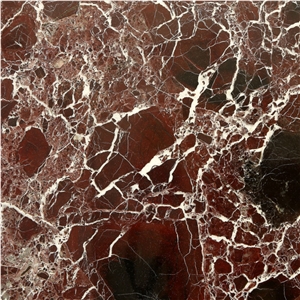
Anatolian Red Marble, also known as Turkish Red Marble, is a popular natural stone known for its beautiful red color and unique patterns. While it is commonly used for interior applications such as floors, walls, countertops, and decorative pieces, it can also be used for exterior applications in humid climates.
Marble, in general, is a porous stone that is prone to moisture absorption. In very humid climates, the humidity levels are consistently high, which can pose a challenge for natural stones. Excessive moisture can cause several issues, such as efflorescence (white powdery substance on the surface), staining, and even structural damage over time.
To use Anatolian Red Marble for exterior applications in very humid climates, it is crucial to ensure proper installation techniques and maintenance practices. Here are some key considerations:
1. Sealant: Applying a high-quality stone sealer specifically designed for exterior use is essential. This will help create a protective barrier on the surface, reducing the stones porosity and making it less prone to moisture absorption.
2. Professional Installation: It is essential to hire professional installers experienced in working with natural stones in exterior applications. They will have the knowledge and expertise to properly install the marble, including ensuring proper drainage and ventilation to minimize water buildup and moisture-related issues.
3. Regular Maintenance: Regular cleaning and maintenance are crucial for the longevity of any natural stone in humid climates. Regularly clean the surface using a pH-neutral stone cleaner and avoid harsh chemicals that can cause damage. Additionally, periodically resealing the marble will help maintain its appearance and protect against moisture penetration.
4. Proper Drainage: Proper drainage around the installed marble is crucial to prevent water accumulation. Ensure that there are adequate sloping and drainage systems in place to direct water away from the marble surface.
By following these guidelines, Anatolian Red Marble can be used for exterior applications in very humid climates. However, it is important to note that even with proper installation and maintenance, natural stone may still be subject to some degree of weathering and discoloration over time. Regular inspection and timely maintenance will help ensure its long-term durability and aesthetics.


 Turkey

 4YR


 United Arab Emirates


 China

 Italy


 Iran

 Spain

 France


 India


 Greece

