Post Your Needs

Antilop Marble

Grey - Marble

Turkey

About

Item Details

Material Type:
Marble
Origin:
Turkey (Değirmenüstü mevkii, Çayboyu Beldesi, Kavaklıdere, Mugla)
Primary Color(s):
Grey
Recommended Usage:
Kitchen and bathroom countertops, building stone, ornamental stone, stairs, interior wall and floor applications, mosaic, waterjet pattern, wall panels, table tops, interior window parapets, columns, fireplaces surround
Additional Names:
Mugla Antelope Marble, Mugla Antilop Marble, Antilop White Marble, White Antilop Marble, Antilop Grey Marble, Antilop Marble
Finished Surface:
Polished,Bush Hammered,Tumbled,Brushed,Honed,Split,Machine Cut,Natural Surface,Sandblasted,Combed,Leathered,Water Jet,Filled,Chiseled,Pickling

Testing

Water Absorption:
% 0.34
Density:
2717 kg/m³

Description

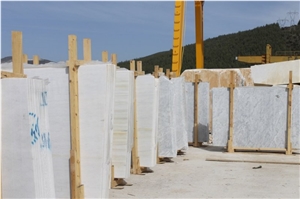
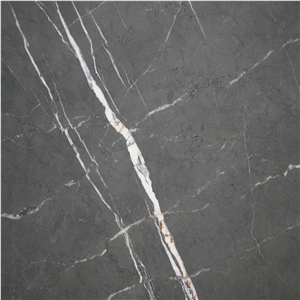
Antilop Marble is a captivating dolomitic marble quarried in the Mugla province of Turkey. It features an ice-cloudy white background adorned with tiny black flecks and soft gray shades, creating a delicate and sophisticated pattern. This marble's unique aesthetic, with its subtle contrasts and gentle hues, makes it an excellent choice for various design applications. The fine black flecks and soft gray tones add depth and texture, enhancing the marble's visual appeal.

Texture and Pattern:

The texture of Antilop Marble is smooth and refined, with a polished or honed finish that highlights its intricate patterns. The marble's background is predominantly white, with tiny black flecks scattered throughout, giving it a speckled appearance. Soft gray shades flow across the surface, adding a touch of elegance and sophistication.

Usage:

Antilop Marble is suitable for a wide range of applications, including flooring, wall cladding, countertops, and decorative features. Its refined appearance makes it ideal for both residential and commercial spaces, where it can add a touch of luxury and timeless beauty.

Maintenance:

To maintain the pristine appearance of Antilop Marble, regular cleaning with a mild, pH-balanced cleaner is recommended. Avoid using acidic or abrasive cleaners, as they can damage the marble's surface. Sealing the marble periodically can help protect it from stains and enhance its durability. With proper care, Antilop Marble can retain its beauty and elegance for many years.

FAQ

Can Turkey's Antilop Marble be used exterior applications in cold climates?

Antilop Marble, also known as Antalya Beige Marble, is a type of marble found in Turkey. While marble can generally be used for exterior applications, its suitability for cold climates may vary depending on various factors. Marble is a natural stone that can be prone to weathering and damage in certain conditions. In cold climates, where temperatures frequently drop below freezing, there are a few factors to consider before using Antilop Marble or any marble for exterior applications: 1. Freeze-thaw cycles: In cold climates, the repeated freeze-thaw cycles can cause water to penetrate the pores of the marble. When the water freezes, it expands, potentially leading to cracks and other damage. Therefore, it is important to select marble types that are less porous and have a good resistance to freeze-thaw cycles. 2. Surface finish and treatment: The surface finish of marble can significantly affect its performance in exterior applications. Honed or polished surfaces may become slippery when wet, which can be dangerous in cold climates where ice and snow are common. Additionally, specific surface treatments like sealers or impregnators can help improve the marbles resistance to weathering and staining. 3. Maintenance: Marble requires regular maintenance to keep it in good condition, especially in harsh weather conditions. This may involve sealing, cleaning, and protecting the marble periodically to prevent damage and maintain its appearance. Considering these factors, Antilop Marble can be used for exterior applications in cold climates, as long as proper precautions and maintenance are taken. However, it is advisable to consult with a local architect, contractor, or stone supplier who is knowledgeable about the specific climate and conditions of your area for a more accurate assessment and recommendation.

Are there color variations of Turkey's Antilop Marble?

Yes, there are color variations of Turkeys Antilop Marble. The base color of Antilop Marble is white, but it can have various shades of grey, beige, or brown veining running through it, depending on the specific block and quarry it is extracted from. The range of color variations can go from lighter and more subtle patterns to darker and more pronounced veining.

What is the coefficient of friction of Water Jet Cut Turkey's Antilop Marble tiles?

The coefficient of friction for Water Jet Cut Turkeys Antilop Marble tiles can vary depending on the specific type of marble and its finish. Generally, marble has a low coefficient of friction, making it a relatively slippery material, especially when wet. However, various finishes can be applied to marble tiles to increase their slip resistance. It is recommended to contact the manufacturer or supplier of the tiles to obtain the exact coefficient of friction for the specific product.

Can Turkey's Antilop Marble be used in landscaping?

Yes, Turkeys Antilop Marble can be used in landscaping. Antilop Marble is a type of marble that is highly suitable for various outdoor applications such as landscaping, paving, and cladding. It features a beautiful creamy beige color with subtle veins and a polished or honed finish, giving it an elegant and sophisticated look. Its durability, resistance to weathering, and low maintenance requirements make it a popular choice for landscaping projects, including pathways, patios, garden features, and decorative elements. Additionally, the unique patterns and texture of Antilop Marble can add a touch of luxury and natural beauty to outdoor spaces.

Can Turkey's Antilop Marble be used in a office?

Yes, Turkeys Antilop Marble can be used in an office. Marble is a popular choice for office spaces due to its elegance, durability, and timeless aesthetic appeal. Its polished surface provides a sleek and professional look that can enhance the overall aesthetics of an office environment. Antilop Marble, specifically, is known for its light beige color with small veins, creating a subtle and sophisticated appearance. It can be used for office floors, walls, tabletops, reception desks, or any other desired applications.

What grade is Turkey's Antilop Marble?

There is no standard grading system for marble types in Turkey or anywhere else. The term Antilop Marble is not a widely recognized or official name for a specific type of marble. It is possible that Antilop Marble is a trade name or a local name used by a specific quarry or company. Without further information, it is not possible to determine the grade or classification of Antilop Marble.

Can Turkey's Antilop Marble be used outdoors?

I do not have access to the latest product information or specifications that are not available online. However, Antilop Marble is a type of natural stone that is commonly used for indoor applications such as countertops, flooring, and wall cladding. While it is possible to use Antilop Marble outdoors, its durability and weather resistance may vary depending on several factors such as the climate, location, and installation methods. It is recommended to consult with a professional and experienced installer and supplier to determine the suitability of Antilop Marble for outdoor use and the necessary precautions to take.

Is Turkey's Antilop Marble an expensive stone?

I do not have access to current market prices, but Antilop marble is considered a high-end and luxurious stone due to its rarity and unique appearance. Its price varies depending on quality, availability, and other factors, but it is generally more expensive than other types of marble.

Products & Prices

View More

Hot Grey Marble

New Marble

Post Your Request

The request includes:
  1. surface finished, size
  2. quantity required