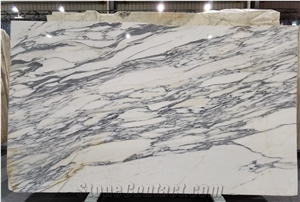
Arabescato Boana Marble is a natural stone known for its elegant veining and beauty. While it is commonly used for interior applications such as countertops, flooring, and wall cladding, it can also be used for certain exterior applications in humid climates.
As with any natural stone, it is essential to consider specific factors before using Arabescato Boana Marble in exterior settings. Although it is generally more resistant to humidity compared to other marble types, it is still not as durable as granite or quartzite, which are better options for extreme conditions.
If you are planning to use Arabescato Boana Marble for an exterior application in a very humid climate, consider the following:
1. Sealant: Properly seal the marble surface with a high-quality, weather-resistant sealer. This will help protect the stone from moisture absorption and reduce the potential for damage caused by moisture penetration.
2. Installation: Utilize proper installation techniques and professional assistance to ensure the stone is correctly installed. This includes proper waterproofing and backfilling techniques to prevent water from seeping behind the marble.
3. Maintenance: Regularly clean and maintain the surface to prevent the buildup of mold, mildew, and stains. Avoid the use of harsh chemicals that may affect the natural beauty of the stone.
4. Shading: Consider the potential effects of humidity on the appearance of the marble. Humidity can darken the stone temporarily, creating a wet appearance. It is important to determine if this characteristic aligns with the desired aesthetic for the project.
Overall, Arabescato Boana Marble can be used in exterior applications in very humid climates, but it requires proper installation, maintenance, and consideration of its specific characteristics. It is always advisable to consult with a stone professional or architect with experience in working with natural stones in humid climates to ensure the best results.


 Italy

 8YR

 China


 Greece


 Namibia

 Iran


 Myanmar


