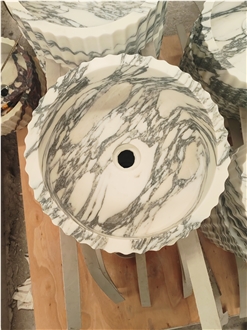
Arabescato Carcariana Marble

About
Item Details
- Material Type:
- Marble
- Origin:
Italy (Massa, Carrara) - Primary Color(s):
- White
- Recommended Usage:
- Kitchen and bathroom countertops, wash basins, building stone, ornamental stone, stairs, interior, exterior wall and floor applications, mosaic, waterjet pattern, wall panels, table tops, balustrades, columns, wall and pool copings, pool pavers, sculptures, fireplaces
- Additional Names:
- Arabescato Carrara Marble, Arabescato Marble, Arabescato White Marble, Arabescato Carcariana, Arabescato Carcariana Marble
- Finished Surface:
- Polished,Bush Hammered,Tumbled,Brushed,Honed,Split,Machine Cut,Natural Surface,Sandblasted,Combed,Leathered,Water Jet,Filled,Chiseled,Pickling
Testing
- Water Absorption:
- 0.15-0.20%
- Density:
- 2680 - 2720 kg/m³
- Flexural Strength:
- 12-13 MPa
- Compressive Strength:
- 80-120 MPa
Description
Arabescato Carcariana Marble is a prestigious Italian marble known for its aesthetic appeal and durability. Quarried in the Carrara area of Tuscany, Italy, it features a bright to creamy white base color with ornate, arabesque-style veining in shades of grey to dark grey. Its texture is fine to medium crystalline, compact, and uniform.
Physical and Mechanical Properties
- Water Absorption: Approximately 0.15%-0.20%
- Density: 2,680 - 2,720 kg/m³
- Flexural Strength: 12-13 MPa
- Compressive Strength: 80-120 MPa
- Hardness (Mohs Scale): Around 3-4
- Porosity: Low
- Slip Resistance: Varies based on surface finish; polished surfaces are less slip-resistant than honed or textured finishes.
Chemical and Mineral Composition
- Calcium Carbonate (CaCO3): ~95-98%
- Silica (SiO2): Trace, less than 1%
- Aluminum Oxide (Al2O3): Trace
- Iron Oxide (Fe2O3): Trace, influences the grey veining
- Magnesium Oxide (MgO): Trace
- Minor elements: Constitutes the remainder of the composition, including some organic compounds.
Usage
Arabescato Carcariana Marble is commonly used for:
- Interior Flooring: Provides an elegant and luxurious look.
- Wall Cladding: Enhances aesthetic appeal in both residential and commercial settings.
- Countertops: Ideal for kitchens and bathrooms due to its sophisticated appearance.
- Sculptures and Art Pieces: Its fine crystalline texture makes it an excellent material for detailed sculpting.
- Fireplaces and Mantels: Adds a classical look to living spaces.
- Staircases: Timeless beauty for staircases and steps.
Maintenance
- Cleaning: Use a pH-neutral cleaner to avoid damaging the surface; avoid acidic or abrasive substances.
- Sealing: Periodically seal the marble to protect against stains and etching.
- Polishing: Regular polishing may be required to maintain its shine, especially in high-traffic areas.
Surface Finish Options
- Polished: Provides a high-gloss finish that enhances the marble’s veining and depth of color.
- Honed: Offers a matte or satin finish that is less reflective and more slip-resistant than polished surfaces.
- Brushed: Textured finish for a more rustic appearance.
- Sandblasted: Rougher texture for slip resistance in outdoor applications.
- Leathered: Soft sheen and a slightly textured surface, combines beauty with practicality.
This marble is a versatile material, fitting for both traditional and modern design aesthetics, and its classic beauty ensures its enduring popularity.
FAQ
Yes, Arabescato Carcariana marble can be used as a wall and floor covering in a Turkish hammam (bathhouse). Arabescato Carcariana is a type of white marble with distinct grey veining, commonly used in various interior and exterior applications. Its durable nature and classic aesthetic make it an excellent choice for creating a luxurious and elegant ambiance in a Turkish hammam. However, it is essential to consult with a professional architect or contractor who specializes in hammam design to ensure proper installation techniques and maintenance guidelines are followed.
What are the different types of Arabescato Carcariana moldings style?
Arabescato Carcariana is a type of Italian marble known for its striking white background with gray veining. When it comes to moldings, which are decorative trim pieces used to enhance the appearance of architectural features, there are various styles available in Arabescato Carcariana marble. Some of the different types of Arabescato Carcariana molding styles include:
1. Crown Molding: This type of molding is usually installed at the junction of the walls and ceiling, adding elegance and visual interest to the space. Arabescato Carcariana crown moldings typically feature intricate patterns and details.
2. Baseboard Molding: Also known as skirting board or kickboard, baseboard molding is installed at the bottom of the wall to protect it from damage and provide a smooth transition between the wall and the floor. Arabescato Carcariana baseboard moldings often have simple and clean designs.
3. Chair Rail Molding: Chair rail molding is installed along the walls at a certain height to protect them from chair backs or other furniture. It also serves as a decorative element in a room. Arabescato Carcariana chair rail moldings can feature various patterns, including geometric or floral designs.
4. Window and Door Casing: Window and door casings are moldings installed around windows and doors to enhance their appearance. Arabescato Carcariana moldings used as casings can have ornate details and intricate designs, complementing the marbles natural beauty.
5. Panel Molding: Panel moldings are used to create decorative panels on walls or ceilings, adding depth and visual interest to the space. Arabescato Carcariana panel moldings often feature intricate patterns and can be combined with other moldings for a more sophisticated look.
Note that these are just a few examples of Arabescato Carcariana molding styles, and there may be other variations and designs available. The specific style and design of moldings can vary based on personal preferences, architectural styles, and the overall design scheme of a space.
What are the different types of Arabescato Carcariana mosaics style?
Arabescato Carrara mosaics can come in various styles and patterns. Some of the different types of Arabescato Carrara mosaics include:
1. Arabesque: This style features a curved and intricate design resembling traditional Arabesque patterns.
2. Basketweave: A popular style with interlocking rectangular tiles in a woven pattern, resembling a basket.
3. Herringbone: This style features tiles arranged in a zigzag pattern, resembling the skeleton of a herring fish.
4. Hexagon: Tiles are cut into hexagonal shapes and arranged in a regular pattern, creating a visually appealing honeycomb effect.
5. Chevron: The tiles are arranged in a V-shaped pattern, creating a dynamic and modern look.
6. Subway: Inspired by subway station tiles, this style is characterized by rectangular tiles in a brick-like pattern.
7. Penny round: Small circular mosaic tiles are arranged in a dotted pattern, resembling a string of coins.
8. Random mosaic: This style does not follow a specific pattern but instead combines different sizes and shapes of tiles in an artistic and irregular arrangement.
These are just a few examples of the various styles available in Arabescato Carrara mosaics. The choice ultimately depends on personal preference and the intended aesthetic of the space.
What are the different types of Arabescato Carcariana columns?
Arabescato Carcariana is a type of marble that is known for its distinct grey and white veining patterns. It is often used in architectural applications, including columns. While there may not be specific types of Arabescato Carcariana columns, there are various column designs and styles that can be created using this marble. Some common types of columns include:
1. Doric columns: Doric is one of the oldest and simplest column designs in ancient Greek architecture. It typically features a plain, cylindrical shaft without a base and a capital with a plain, rounded molding.
2. Ionic columns: Ionic columns are characterized by their scroll-shaped capital with volutes (spiral-shaped ornaments) on each side. They usually have a decorative base and a fluted shaft.
3. Corinthian columns: Corinthian columns are the most ornate and decorative of the three classical Greek column designs. They have a capital adorned with intricate acanthus leaf motifs.
4. Composite columns: Composite columns combine elements from both the Ionic and Corinthian styles. They have a capital that features volutes and acanthus leaves.
5. Tuscan columns: Tuscan columns are simplified and unadorned versions of Doric columns. They have a plain shaft with no fluting, a simple capital, and no base.
These are just a few examples of the different types of column designs that can be made using Arabescato Carcariana marble. The choice of column style depends on the architectural context and design preferences.
Is it safe to use Arabescato Carcariana mortar and pestle?
Yes, it is safe to use an Arabescato Carcariana mortar and pestle for grinding and crushing ingredients. Arabescato Carcariana is a type of marble that is known for its durability and resistance to staining, making it a suitable material for kitchen tools. However, as with any mortar and pestle, it is important to properly clean and maintain it, and avoid using abrasive cleaners or harsh chemicals that could damage the marble surface.
What thickness of Arabescato Carcariana kitchen countertop would be better?
The ideal thickness of an Arabescato Carcariana kitchen countertop would typically be around 2 centimeters (3/4 inches) or 3 centimeters (1-1/4 inches). The choice of thickness depends on personal preference, budget, and the type of kitchen design. A thicker countertop offers a more robust and luxurious look but can be more costly. However, a thinner countertop can still provide a beautiful appearance and be more budget-friendly. Ultimately, it is important to consult with a professional to determine the best thickness for your specific needs and preferences.
What thickness of Arabescato Carcariana backsplash tiles would be better?
The thickness of Arabescato Carcariana backsplash tiles can vary depending on personal preference and the style of the kitchen or bathroom. However, the most common thickness for backsplash tiles is typically 3/8 inch (9.5mm) or 1/2 inch (12mm). These thicknesses provide the necessary durability and strength to withstand water, heat, and daily use. Ultimately, it is a matter of personal preference and the overall aesthetic you want to achieve in your space.
How should I clean Arabescato Carcariana countertop?
To clean an Arabescato Carcariana countertop, follow these steps:
1. Use a soft cloth or sponge to wipe off any loose dirt or debris from the countertop surface.
2. Fill a bucket with warm water and a mild, pH-neutral household cleaner or dish soap. Make sure to read the label of the cleaner to ensure it is safe for use on natural stone surfaces.
3. Dip a soft cloth or sponge into the cleaning solution and gently scrub the countertop surface. Avoid using abrasive brushes or scrub pads as they can scratch the stone.
4. Pay attention to any stubborn stains or spills. For oil-based stains, create a paste using a mixture of baking soda and water. Apply the paste to the stain, let it sit for a few minutes, and then gently scrub with a soft cloth. Rinse thoroughly.
5. For more stubborn stains or mineral deposits, you can try using a stone-specific cleaner or a diluted mixture of vinegar and water. Test the cleaner on a small, inconspicuous area first to ensure it does not cause any damage to the stone.
6. After cleaning, rinse the countertop thoroughly with clean water to remove any residue or cleaning solution.
7. Dry the countertop with a soft cloth or towel to prevent water spots or streaks.
8. Consider applying a sealant specifically formulated for natural stone countertops, such as an impregnating sealer. This will help protect the stone from future stains and make cleaning easier.
Remember to always follow the manufacturers instructions for cleaning and maintenance, as different types of natural stone may require specific care.
How can I repair the scratched surface of the Arabescato Carcariana wall tiles?
To repair the scratched surface of Arabescato Carcariana wall tiles, you can follow these steps:
1. Clean the tile: Start by cleaning the tile thoroughly with a mild detergent and warm water. Use a sponge or soft cloth to gently scrub the scratched area, removing any dirt or debris from the surface.
2. Assess the scratch severity: Determine the depth of the scratch. If it is a light scratch that has not penetrated the surface deeply, you may be able to fix it with a simple repair method. However, if the scratch is deep or severe, it may require professional assistance.
3. Try a DIY repair method: For minor scratches, you can attempt a DIY repair by using a marble or granite polishing compound or a specific stone repair kit. Apply a small amount of the compound or polish to the scratched area and gently rub it in a circular motion using a soft microfiber cloth or pad. Follow the instructions provided with the product and make sure to buff the area until the scratch is no longer visible.
4. Seek professional help: If the scratch is deep or the DIY repair method does not yield satisfactory results, it is best to consult a professional stone restoration specialist. They have specialized tools and techniques to repair and refinish stone surfaces effectively. The specialist will be able to assess the damage and restore the tile to its original condition.
5. Prevent future scratches: Once the repair is complete, consider taking preventive measures to avoid further scratches. Use protective measures like placing felt pads under heavy objects, avoiding dragging sharp or abrasive items across the surface, and regularly cleaning the tiles with non-abrasive cleaners.
Remember, its always a good idea to test any cleaning or repair product in a small inconspicuous area before applying it to the entire tile to ensure it does not cause any further damage.
Is Arabescato Carcariana durable for use as outdoor patio pavers?
Arabescato Carcariana is a type of marble known for its beautiful veining and elegant appearance. While it can be used for outdoor applications, including patio pavers, it is important to consider its durability.
Marble, including Arabescato Carcariana, is generally less durable compared to other materials like granite and porcelain. It is more susceptible to staining, scratching, and weathering. The porosity of marble makes it more vulnerable to water absorption and damage from freeze-thaw cycles.
If you choose to use Arabescato Carcariana as outdoor patio pavers, you should take certain precautions. Regular sealing is necessary to protect the marble from stains and moisture penetration. Additionally, a proper base and installation technique are important to ensure stability and prevent cracking.
It is also crucial to keep in mind that marble can be slippery when wet, so it may not be suitable for areas that experience high levels of rainfall or require high traction.
If you are looking for a more durable option for outdoor patio pavers, materials like granite or porcelain may be a better choice. These materials offer greater resistance to moisture, stains, and weathering, making them more suitable for long-term outdoor use.


3YR