Post Your Needs

Arabescato Carrara Marble

White - Marble

Italy

About

Item Details

Material Type:
Marble
Origin:
Italy (Carrara, Provincia di Massa Carrara, Toscana)
Primary Color(s):
White
Recommended Usage:
Kitchen and bathroom countertops, sinks, wash basins, monuments, building stone, ornamental stone, stairs, interior, exterior wall and floor applications, mosaic, waterjet pattern, wall panels, table tops, window sills
Additional Names:
Arabescato Carrara, Arabescato Corchia Marble, Arabescato di Carrara Marble, Marmo Arabescato d'Carrara, Bianco Arabescato Marble, Arabascato Bianco Marble, Arabescato Bianco Marble, Arabescato Marble, Arabescato Venbato Marble, in China stone market:大花白(Dà huābái), Arabescato Carrara Marble
Finished Surface:
Polished,Bush Hammered,Tumbled,Brushed,Honed,Split,Machine Cut,Natural Surface,Sandblasted,Combed,Water Jet,Filled,Chiseled,Pickling

Testing

Water Absorption:
0.40 %
Density:
2724 kg/m3
Flexural Strength:
20.7 MPa
Compressive Strength:
108 MPa - 132.0 MPa

Description

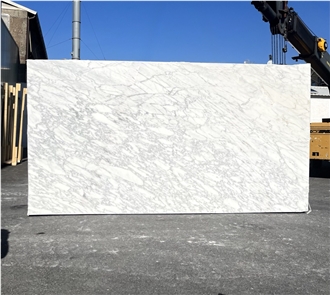
Arabescato Carrara Marble is a truly exquisite natural stone celebrated for its timeless beauty and classic elegance. Quarried in the Carrara region of Tuscany, Italy, this marble is renowned worldwide for its stunning visual characteristics. Here's a detailed description of Arabescato Carrara Marble:

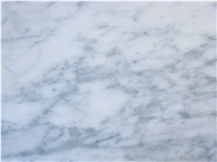
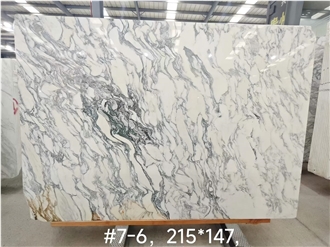
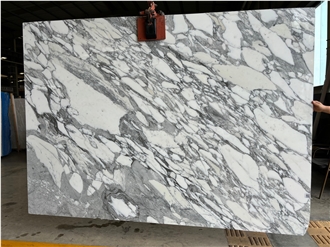
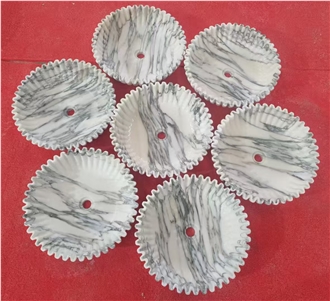
Color Palette: Arabescato Carrara Marble is characterized by an enchanting combination of soft whites and dusty grays. The marble's base color predominantly consists of a pristine white, reminiscent of fresh snowfall. Interspersed within this luminous backdrop are graceful and dusty gray veins that elegantly meander across the surface.

Veining Pattern: The hallmark feature of Arabescato Carrara Marble is its captivating veining pattern. The gray veins create an intricate and mesmerizing swirl that is both timeless and artistic. These veins are characterized by their fluid and graceful movements, resembling the brushstrokes of a master painter. They bring a sense of movement and dynamism to the marble's surface.

Timeless Elegance: Arabescato Carrara Marble embodies timeless elegance that transcends design trends. Its soft and harmonious color palette, coupled with the graceful veins, makes it a favored choice for classical and contemporary design alike. It has the unique ability to complement a wide range of architectural styles, from traditional to modern.

Versatility: This marble's versatility is one of its most celebrated attributes. Arabescato Carrara Marble is frequently used for creating luxurious kitchen countertops, bathroom vanities, flooring, wall cladding, and decorative accents. Its adaptability allows it to enhance residential spaces, hotels, museums, and other prestigious projects.

Natural Beauty: Like all natural stones, Arabescato Carrara Marble boasts inherent variations in its veining and color distribution. Each slab possesses a unique arrangement of veins, ensuring that every installation is a one-of-a-kind masterpiece. These natural variations contribute to the stone's authenticity and charm.

Origin: Arabescato Carrara Marble is quarried in Carrara, Provincia di Massa Carrara, Toscana, Italy. Carrara has a rich history of marble production dating back centuries, and it is celebrated for producing some of the world's finest marbles.

In conclusion, Arabescato Carrara Marble is a testament to the enduring allure of natural stone. With its soft whites, dusty grays, and graceful veining, it evokes a sense of timeless beauty and sophistication. Quarried in the historic Carrara region of Italy, it carries with it the legacy of centuries of marble craftsmanship. Whether used for classical or contemporary applications, Arabescato Carrara Marble remains a symbol of elegance and refinement in the world of natural stone.

Petrographic definition: Marble
Massa Unit Volume: 2724 Kg/m3
Water absorption: 0.40%
Compression breaking load Simple: 132 MPa
Compression breaking load after freezing: 108 MPa
Tangent elastic modulus: 76,000 MPa
Indirect Tensile Strength by bending: 20,7 MPa
Coefficient corresponding Abrasion (referred to Granite St. Fedelino): 0.69
Impact resistance: minimum fall height: 41 cm
Coefficient of linear thermal expansion: 7.1 x 10⁻⁵ 0C-1
Source: Guida “Marmi italiani” - F.lli Vallardi Editori - I.C.E. 1982

FAQ

What are the different types of Arabescato Carrara Marble moldings style?

Arabescato Carrara Marble is known for its white background with elegant gray veining, which creates a stunning visual effect. There are various types of moldings styles that can be crafted from this marble. Some of the common types of Arabescato Carrara Marble moldings styles include: 1. Baseboard: This type of molding is typically found at the base of walls, near the floor. It provides a clean and finished look to the room. 2. Chair rail: Chair rail moldings are installed at the height of a chair back to protect the walls from damage. They also add an aesthetic touch to the room. 3. Crown molding: Crown moldings are installed at the junction of walls and ceilings. They enhance the elegance of a space and add a touch of sophistication. 4. Window trim: Window trim moldings are used around windows to create a finished look. They can be simple or elaborate depending on the desired aesthetic. 5. Door casing: Door casing moldings surround the perimeter of a door, providing a decorative frame. They can be simple or ornate, depending on the style of the room. 6. Picture rail: Picture rail moldings are installed horizontally on walls to hang artwork or photographs without the need for nails or hooks. These are just a few examples of the different types of Arabescato Carrara Marble moldings styles available. The level of detail, design, and profile can vary based on individual preferences and the overall interior design scheme.

What are the different types of Arabescato Carrara Marble mosaics style?

There are several types of Arabescato Carrara Marble mosaics styles available. Some common variations include: 1. Arabescato Carrara Chevron: This style features the marble tiles arranged in a chevron pattern, creating a V-shaped design. It adds a contemporary and dynamic look to any space. 2. Arabescato Carrara Herringbone: This style uses rectangular marble tiles arranged in a herringbone pattern. It creates a timeless and classic design that is often used in traditional and transitional interiors. 3. Arabescato Carrara Penny Round: In this style, small marble tiles are arranged in circular patterns, resembling the shape of pennies. It has a playful and unique look, often used in backsplashes or accent walls. 4. Arabescato Carrara Hexagon: Hexagonal marble tiles are used in this style to create a honeycomb-like pattern. It adds a modern and geometric touch to any space. 5. Arabescato Carrara Basketweave: In this style, marble tiles are arranged in a basketweave pattern, where rectangular tiles are horizontally and vertically woven together. It gives a traditional and elegant look to floors and walls. 6. Arabescato Carrara Subway: This style uses rectangular marble tiles arranged in a traditional subway tile pattern, with a staggered brick-like layout. It is a versatile option that works well in both modern and traditional interiors. These are just a few examples of the different styles available in Arabescato Carrara Marble mosaics. Each style brings a unique aesthetic and can be used to create various design themes.

What are the different types of Arabescato Carrara Marble columns?

There are several types of Arabescato Carrara Marble columns, including: 1. Plain Arabescato Carrara Marble columns: These columns feature a simple, clean design with no added embellishments or carving. They are characterized by the natural veining and patterns found in Arabescato Carrara Marble. 2. Fluted Arabescato Carrara Marble columns: These columns have vertically carved grooves running along the length of the column. The fluting adds a sense of depth and texture to the surface, enhancing the aesthetic appeal. 3. Ionic Arabescato Carrara Marble columns: These columns are designed in the Ionic order, one of the classical architectural orders. They feature distinctive scroll-shaped volutes at the top and a decorative base at the bottom. The rest of the column may be plain or fluted. 4. Corinthian Arabescato Carrara Marble columns: These columns are designed in the Corinthian order, another classical architectural order. They have ornate capital with acanthus leaf motifs and are often adorned with intricate carvings and details. 5. Composite Arabescato Carrara Marble columns: These columns combine features from various orders or architectural styles. For example, a composite column may have the fluted shaft of a Doric order column, combined with the capital of an Ionic or Corinthian order column. Its important to note that the availability of these different types of columns may vary depending on the supplier or manufacturer.

Is it safe to use Arabescato Carrara Marble mortar and pestle?

Arabescato Carrara Marble is a type of marble commonly used for kitchen countertops, but it can also be used for mortar and pestles. However, there are a few things to consider before using it: 1. Marble is a porous material, which means it can absorb liquids and flavors from the ingredients you grind in it. If you are using the mortar and pestle for grinding spices or pungent ingredients, it may leave a lingering scent or flavor in the marble. This can be avoided by using a separate mortar and pestle for different types of ingredients. 2. Marble is a relatively soft material compared to harder stones like granite. While it will work well for most grinding tasks, it may wear down more easily over time, especially if you are grinding hard ingredients like whole spices or peppercorns. If this happens, the surface of the mortar can become uneven and affect the grinding process. 3. Marble can also be susceptible to staining, especially from acidic ingredients like lemon or tomato juice. If you are using the mortar and pestle for grinding these ingredients, its important to clean it immediately after use to prevent any potential discoloration or staining. In conclusion, using an Arabescato Carrara Marble mortar and pestle can be safe, but it may require extra care to maintain its appearance and prevent flavor transfer. If you are willing to take these considerations into account and properly care for the marble, it can be a beautiful and functional addition to your kitchen.

What thickness of Arabescato Carrara Marble kitchen countertop would be better?

The thickness of an Arabescato Carrara Marble kitchen countertop depends on personal preference and the design style of the kitchen. Here are the common thickness options: 1. 2 cm (approximately 0.75 inches): This thickness is more suitable for traditional or classic kitchen designs. It provides a more delicate and refined look and is commonly used in European-style kitchens. However, it may require additional support due to its thinner nature. 2. 3 cm (approximately 1.25 inches): This is the standard thickness for most kitchen countertops. It offers durability and strength, making it suitable for everyday use. It provides a more substantial and solid appearance and is compatible with various kitchen styles, from traditional to contemporary. Both thickness options are popular and widely used; therefore, the decision ultimately comes down to personal preference, intended use, and overall aesthetic preferences for the kitchen.

What thickness of Arabescato Carrara Marble backsplash tiles would be better?

The thickness of Arabescato Carrara Marble backsplash tiles typically ranges from 1/4 inch to 3/8 inch. Both thicknesses are commonly used and can provide a beautiful and durable backsplash. The choice ultimately depends on personal preference and the specific aesthetic you are trying to achieve. 1/4 inch tiles are generally more cost-effective and easier to install, while 3/8 inch tiles may offer a slightly more substantial look and feel.

How should I clean Arabescato Carrara Marble countertop?

To clean an Arabescato Carrara Marble countertop, follow these steps: 1. Prepare a gentle cleaning solution: Fill a bucket with warm water and add a few drops of a mild dish soap or a specially formulated marble cleaner. Avoid using acidic or abrasive cleaners as they can damage the marble. 2. Wet the countertop: Dampen a soft, non-abrasive cloth or sponge with the cleaning solution and gently wipe the entire surface of the marble countertop. Make sure to clean any spills, stains, or food residues. 3. Rinse thoroughly: Rinse the cloth or sponge with clean water and wipe down the countertop again to remove any soap residue. Repeat this step until the countertop feels clean and soap-free. 4. Dry the surface: Use a clean, dry cloth or paper towel to thoroughly dry the countertop surface. This is important to prevent water spots or streaks. Ensure no moisture is left behind as it can damage the marble over time. 5. Periodic sealing: Arabescato Carrara Marble is porous and can be prone to staining. To protect it, consider applying a marble sealer every 6 to 12 months, or as recommended by the manufacturer. Be sure to follow the instructions on the sealer carefully. 6. Preventive measures: Avoid placing hot cookware directly on the marble countertop as it can cause damage. Use mats or trivets under hot dishes or appliances to protect the surface. Additionally, use cutting boards when preparing food to avoid scratching the marble. Regular cleaning and proper maintenance will help keep your Arabescato Carrara Marble countertop looking beautiful for years to come.

How can I repair the scratched surface of the Arabescato Carrara Marble wall tiles?

To repair the scratched surface of Arabescato Carrara Marble wall tiles, you can follow these steps: 1. Clean the tiles: Start by cleaning the entire wall surface using a non-abrasive stone cleaner. This will remove any dirt, grease, or grime that might be on the tiles. 2. Assess the scratches: Examine the scratches on the surface of the tiles. If they are light, you may be able to fix them with a polishing compound. For deeper scratches, you may need to use a diamond polishing pad or seek professional help. 3. Polish the scratched area: For light scratches, apply a small amount of polishing compound or marble polishing powder to a damp cloth or sponge. Rub the compound gently onto the scratched area in circular motions. Continue to rub until the scratch fades or is no longer visible. Rinse the area with clean water and dry it thoroughly. 4. Use a diamond polishing pad: For deeper scratches, you can use a diamond polishing pad along with water. Wet the pad and gently rub it over the scratched area in a circular motion. Start with a low grit pad and gradually work your way up to a higher grit for a smoother finish. 5. Seal the tiles: After repairing the scratches, apply a marble sealer to protect the tiles from future damage. Follow the manufacturers instructions on the sealer for proper application and drying. 6. Regular maintenance: To keep your Arabescato Carrara Marble wall tiles looking their best, practice regular maintenance. Avoid using abrasive cleaners or scrub brushes, as they can cause scratches. Instead, use a non-abrasive cleaner specifically formulated for marble surfaces and use a soft cloth or sponge for cleaning. Note: If the scratches are too deep or extensive, it is advisable to seek professional help from a stone restoration specialist who can provide more advanced techniques and tools for repair.

Is Arabescato Carrara Marble durable for use as outdoor patio pavers?

Arabescato Carrara Marble is not typically recommended for use as outdoor patio pavers. While it is a beautiful and popular marble, it is not known for its durability and can be susceptible to staining, scratching, and weathering. Outdoor spaces are subject to more wear and tear, exposure to UV rays, and harsh weather conditions, which can lead to deterioration and damage of the marble. It is better suited for indoor applications such as countertops, flooring, and wall cladding where it can be properly maintained and protected. Consider using a more durable material, such as natural stone specifically designed for outdoor use, or other alternatives like concrete pavers or porcelain tiles that are more suitable for patio applications.

Products & Prices

View More

Hot White Marble

New Marble

Post Your Request

The request includes:
  1. surface finished, size
  2. quantity required