Post Your Needs

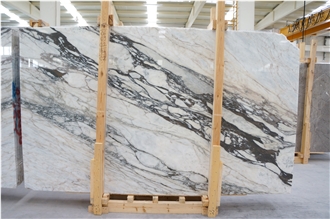
Arabescato Corchia Marble

White - Marble

Italy

About

Item Details

Material Type:
Marble
Origin:
Italy (Stazzema, Provincia di Lucca, Toscana)
Primary Color(s):
White
Recommended Usage:
Kitchen and bathroom countertops, monuments, building stone, ornamental stone, stairs, interior, exterior wall and floor applications, mosaic, waterjet pattern, wall panels, table tops, window sills, balustrades, columns, wall and pool copings, pool pavers, sculptures, fireplaces
Additional Names:
Arabescato Corchia, Arabescato Corchia Classico Marble, Arabescato Carrara Marble, Arabescato Marble, Calacatta Corchia Marble, in China stone market: 大花白(Dà huābái), Arabescato Corchia Marble
Finished Surface:
Polished,Bush Hammered,Tumbled,Brushed,Honed,Split,Machine Cut,Natural Surface,Sandblasted,Acid Washing,Combed,Leathered,Water Jet,Filled,Chiseled,Pickling

Testing

Water Absorption:
0.19 ~ 0.26 %
Density:
2700 kg/m3
Flexural Strength:
13.2 MPa
Compressive Strength:
101.0 MPa

Description

Arabescato Corchia Marble is a highly sought-after natural stone originating from the Carrara region in Tuscany, Italy. It is a type of marble known for its striking appearance, characterized by intricate and captivating veining patterns.

Arabescato Corchia Marble showcases a predominantly white background with intricate grey veining. The veins in this marble can vary in intensity and thickness, creating a unique and eye-catching aesthetic. The veins may form intricate, flowing patterns or exhibit bolder, more dramatic movement across the surface of the stone. The contrasting colors and patterns of Arabescato Corchia Marble lend it a sense of elegance and sophistication.

In terms of texture, Arabescato Corchia Marble has a fine to medium grain structure. Its surface can be polished to a high gloss, enhancing the marble's natural beauty and accentuating the depth of the veining. The polished finish creates a smooth and reflective surface that contributes to its luxurious appeal.

Arabescato Corchia Marble is commonly used for interior applications, such as countertops, flooring, wall cladding, and decorative accents. It adds a touch of timeless beauty and refinement to various design styles, from classic to contemporary. This marble is often chosen for projects where a visually stunning and elegant statement is desired.

It's important to note that, like all natural stone, Arabescato Corchia Marble can exhibit variations in color, veining, and patterns. Each slab is unique, and it is recommended to view samples or consult with suppliers to ensure you have accurate information about the specific stone you are interested in and to select the slab that best suits your design preferences.

Petrographic definition: breccia marble
Massa Unit Volume: 2700 kg/m3
Water Absorption: 0.19%
Breaking Load Compression Simple: 101 MPa
Compression breaking load after freezing: 92 MPa
Tensile indirectly by bending 13.2 MPa
Its coefficient of Abrasion (referred to Granite St. Fedelino): 0.55
Impact resistance: minimum fall height: 51 cm
Linear thermal expansion coefficient of 5.4 x 10⁻⁵ 0C-1
Knoop microhardness: 1648 MPa
Index unevenness of hardness: 1.25
Source: Università di Pisa - Politecnico di Torino

FAQ

Can Arabescato Corchia Marble be used in a Turkish hammam as a wall and floor covering?

Yes, Arabescato Corchia Marble can be used as a wall and floor covering in a Turkish hammam. This marble is known for its elegant and luxurious look, making it a popular choice for high-end projects. Its white background with intricate grey veining adds a timeless beauty to any space. Additionally, marble is a suitable material for wet areas like Turkish hammams as it is naturally water-resistant and durable. However, it is important to properly seal and maintain the marble to protect it from moisture and heat damage.

What are the different types of Arabescato Corchia Marble moldings style?

Arabescato Corchia Marble is a type of Italian marble that features a white background with gray or golden veins and intricate patterns. It is commonly used for moldings in various architectural and design projects. Some of the different types of Arabescato Corchia Marble molding styles include: 1. Base moldings: These are the moldings that are installed at the base of walls, often serving as a transition between the wall and the floor. They can be simple and straight or have more elaborate designs. 2. Crown moldings: Crown moldings are installed at the junction of the walls and ceilings. They add a touch of elegance and can be plain or decorative, depending on the desired aesthetic. 3. Chair rail moldings: Chair rail moldings are installed horizontally on walls at a certain height, often serving as a protective barrier from chairs or other furniture. They can be used to visually separate two different wall treatments or simply serve as an architectural detail. 4. Casing moldings: Casing moldings are used to frame doors and windows, providing a finished look and bridging the gap between the wall and the door or window frame. 5. Panel moldings: Panel moldings are used to create decorative panels on walls and ceilings. They can be used to mimic the appearance of raised or recessed panels and can add depth and texture to a space. 6. Cornice moldings: Cornice moldings are installed at the junction of walls and the ceiling, similar to crown moldings. However, cornice moldings often have more intricate designs and can feature curves or dentil details. 7. Rosette moldings: Rosette moldings are round or oval-shaped decorative elements that are often used at the corners of moldings or at the center of a ceiling medallion. They add a focal point and can have intricate carvings or patterns. These are just a few examples of the different types of Arabescato Corchia Marble molding styles. The specific style chosen will depend on the desired design aesthetic and the project requirements.

What are the different types of Arabescato Corchia Marble mosaics style?

Arabescato Corchia Marble is a type of white marble with intricate grey veins running throughout its surface. It is often used to create beautiful mosaics that can add a touch of elegance to any space. Here are a few different types of Arabescato Corchia Marble mosaic styles: 1. Arabesque: This style features curved and flowing lines that create intricate patterns. The curves and swirls of the Arabesque style often mimic the shape of leaves, flowers, or vines. 2. Basketweave: In this style, small rectangular or square pieces of Arabescato Corchia Marble are arranged in an interwoven pattern, resembling a traditional woven basket. 3. Chevron: Chevron-style mosaics consist of individual pieces of marble cut into a V shape and arranged in alternating directions. This creates a distinctive geometric pattern that can add a modern touch to any space. 4. Herringbone: Similar to the chevron style, the herringbone pattern is created by arranging rectangular pieces of marble in a V shape. However, in this style, the individual pieces are laid in the opposite direction of each other, creating a zigzag pattern. 5. Hexagon: Hexagonal mosaics use six-sided pieces of Arabescato Corchia Marble to create a honeycomb-like pattern. This geometric style can give a contemporary and unique look to any space. 6. Subway: Inspired by traditional subway tiles, this style features rectangular pieces of marble arranged in a brick-like pattern. It is a timeless and versatile design that can be used in various settings. 7. Random mix: For a more eclectic look, a random mix style can be used, where different shapes and sizes of Arabescato Corchia Marble pieces are put together to create a unique and irregular pattern. These are just a few examples of the different types of Arabescato Corchia Marble mosaic styles available. The possibilities are endless, and the choice ultimately depends on personal preference and the desired aesthetic for the space.

What are the different types of Arabescato Corchia Marble columns?

Arabescato Corchia Marble columns come in various types, depending on their design and pattern. Some of the different types of Arabescato Corchia Marble columns include: 1. Plain Arabescato Corchia Marble columns: These columns are simple, without any intricate detailing or carving. They showcase the natural beauty of Arabescato Corchia Marble with its distinctive white background and grey veining. 2. Fluted Arabescato Corchia Marble columns: Fluting refers to the vertical grooves or channels running along the length of the column. Fluted Arabescato Corchia Marble columns are elegant and classic, adding a touch of sophistication to any space. 3. Carved Arabescato Corchia Marble columns: These columns feature intricate carvings and designs, showcasing the craftsmanship and artistic skills involved in creating them. Carved details can range from floral motifs to intricate patterns and reliefs. 4. Ionic Arabescato Corchia Marble columns: The Ionic order is one of the three classical architectural orders, characterized by its scroll-like volutes at the top. Ionic Arabescato Corchia Marble columns follow this architectural style, with the characteristic volutes at the capital. 5. Corinthian Arabescato Corchia Marble columns: The Corinthian order is another classical architectural order known for its acanthus leaf-inspired capitals. Corinthian Arabescato Corchia Marble columns feature these ornate capitals, adding elegance and grandeur to spaces. 6. Composite Arabescato Corchia Marble columns: The Composite order is a combination of the Ionic and Corinthian orders, featuring Ionic volutes with Corinthian acanthus leaves. Composite Arabescato Corchia Marble columns combine these two architectural styles, creating a unique and refined look. These are just a few examples of the different types of Arabescato Corchia Marble columns available. The choice of column type depends on the desired aesthetic, architectural style, and the specific application of the column.

Is it safe to use Arabescato Corchia Marble mortar and pestle?

Using Arabescato Corchia Marble mortar and pestle is generally safe, but there are some precautions to take. Marble mortar and pestle are commonly used in kitchen settings for grinding spices, herbs, and other ingredients. Arabescato Corchia Marble is a type of white marble that is known for its elegant and unique veining patterns. However, there are a few things to consider when using any type of marble mortar and pestle: 1. Porosity: Marble is a porous material, which means it can absorb liquids and stain easily. Its important to avoid using acidic ingredients or substances like lemon juice, vinegar, or certain spices that can cause discoloration or etching on the surface of the marble. 2. Sensitivity to impact: Although marble is a durable material, it can chip or crack if it is struck or dropped on a hard surface. Always handle your marble mortar and pestle with care to avoid any accidental damage. 3. Cleaning: Marble mortar and pestle should be cleaned properly after each use. It is recommended to wash them with warm water and mild detergent, and immediately dry them thoroughly to prevent any moisture absorption. If you properly care for your Arabescato Corchia Marble mortar and pestle, it can provide you with a beautiful and functional kitchen tool.

What thickness of Arabescato Corchia Marble kitchen countertop would be better?

The recommended thickness for Arabescato Corchia Marble kitchen countertops is typically 2 centimeters (3/4 inch) or 3 centimeters (1 1/4 inch). Both thicknesses are commonly used and have their own advantages. A 2-centimeter thickness is lighter in weight, making it easier to handle and install. It can also be more cost-effective compared to a thicker slab. However, it may require additional support underneath to prevent flexing or cracking. On the other hand, a 3-centimeter thickness offers more durability and strength, making it less prone to damage or cracking. It also provides a more luxurious and substantial look to the countertop. However, it is heavier and may require more support during installation. Ultimately, the choice between these two thicknesses depends on your personal preferences, budget, and the size and layout of your kitchen. It is recommended to consult with a professional stone fabricator to determine the best thickness for your specific needs.

What thickness of Arabescato Corchia Marble backsplash tiles would be better?

The thickness of Arabescato Corchia Marble backsplash tiles depends on personal preference and the specific design of your kitchen or bathroom. Generally, backsplash tiles are available in thicknesses of 1/4 inch (6mm), 3/8 inch (10mm), and 1/2 inch (12mm). Thinner tiles (1/4 inch or 6mm) are easier to cut and install, and they typically require less effort to clean and maintain. They are also lighter in weight, which can be beneficial during installation. Thicker tiles (3/8 inch or 1/2 inch) provide a more substantial look and feel to the backsplash. They can add a luxurious touch to your space and can be more resistant to chipping or cracking. Consider the overall design aesthetic of your kitchen or bathroom, the surrounding materials, and the level of durability you desire when choosing the thickness of Arabescato Corchia Marble backsplash tiles. It may also be helpful to consult with a professional tile installer or designer for their recommendations based on your specific project requirements.

How should I clean Arabescato Corchia Marble countertop?

To clean Arabescato Corchia Marble countertop, follow these steps: 1. Start by wiping down the countertop surface with a soft cloth or sponge to remove any loose dirt or debris. 2. Create a gentle cleaning solution by mixing a few drops of mild dish soap with warm water. Avoid using acidic or abrasive cleaners, as they can damage the marble surface. 3. Dip a soft cloth or sponge into the cleaning solution and wring it out to remove excess liquid. Gently wipe the countertop surface in a circular motion, paying extra attention to any stains or spills. 4. For stubborn stains or dried-on food, create a poultice using baking soda and water. Mix equal parts of baking soda and water to form a paste. Apply the paste to the stain, covering it completely, and cover with plastic wrap. Let it sit for 24-48 hours, then remove the poultice and wipe clean with a damp cloth. 5. Rinse the countertop thoroughly with clean water to remove any soap residue. 6. Dry the surface with a clean, soft cloth to prevent water spots or streaks from forming. 7. To maintain the shine and protect the marble, apply a marble sealer according to the manufacturers instructions. This step is optional but can help prevent stains and maintain the beauty of the marble countertop. Remember to avoid using harsh or abrasive cleaners, acidic solutions like vinegar or lemon juice, and abrasive scrub brushes or pads on Arabescato Corchia Marble as they can damage the surface. Regularly wiping up spills and using coasters or trivets for hot items will help prevent stains and damage as well.

How can I repair the scratched surface of the Arabescato Corchia Marble wall tiles?

To repair the scratched surface of Arabescato Corchia marble wall tiles, you can follow these steps: 1. Clean the tiles: Start by thoroughly cleaning the tiles using a mild soap or stone cleaner and warm water. Use a soft cloth or sponge to scrub the surface gently, removing any dirt or debris. 2. Assess the scratches: Examine the severity of the scratches. If they are light surface scratches, you can attempt DIY repair. However, deeper scratches may require professional assistance. 3. Sand the surface: Use a fine-grit sandpaper (around 200-400 grit) to lightly sand over the scratched area. Be gentle and use even strokes. Sanding will help smooth out the scratches and blend them with the surrounding surface. 4. Wipe the residue: After sanding, wipe away any sanding residue or dust using a damp cloth. Ensure the surface is clean and dry before proceeding. 5. Apply marble polish: Use a marble polish specifically designed for stone surfaces. Apply a small amount of polish onto the scratch and surrounding area. Use a soft cloth or a buffing pad to gently rub the polish in a circular motion. Continue rubbing until the scratch fades and the surface regains its shine. 6. Buff the area: Once the scratch is repaired, buff the polished area with a clean, dry cloth to remove any excess polish and achieve a smooth finish. 7. Protect the tiles: Apply a marble sealer to protect the repaired area and the entire surface of the tiles. This will help prevent future scratches and stains. Follow the manufacturers instructions for application. Always test any cleaning or repair product on a small, inconspicuous area of the tile before applying it to the entire surface. Additionally, if the scratches are too deep or extensive, it is best to consult with professionals who specialize in marble restoration.

Is Arabescato Corchia Marble durable for use as outdoor patio pavers?

Arabescato Corchia Marble is typically not recommended for use as outdoor patio pavers. Marble is a natural stone that is susceptible to weathering, staining, and scratching. It is not as durable or resistant to the elements as other stone options, such as granite or travertine. Constant exposure to outdoor conditions, including rain, sunlight, and foot traffic, can lead to discoloration, pitting, and other forms of damage to the marble. Additionally, the high polish or glossy finish of marble can become slippery when wet, which can pose a safety hazard for outdoor surfaces.

Products & Prices

View More

Hot White Marble

New Marble

Post Your Request

The request includes:
  1. surface finished, size
  2. quantity required