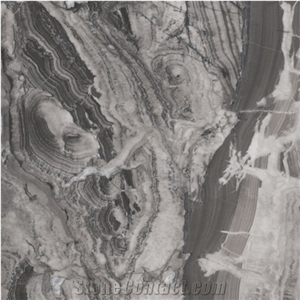
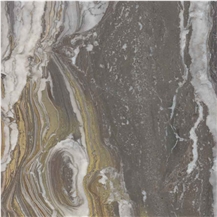
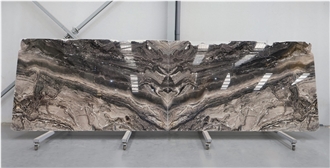
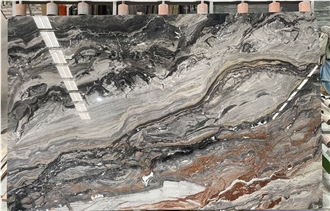
Arabescato Grigio Marble

About
Item Details
- Material Type:
- Marble
- Origin:
Italy - Recommended Usage:
- Kitchen and bathroom countertops, wash basins, building stone, ornamental stone, stairs, interior, exterior wall and floor applications, mosaic, waterjet pattern, wall panels, table tops, balustrades, columns, wall and pool copings, pool pavers, fireplaces
- Additional Names:
- Grigio Breccia Marble, Breccia Grey Marble, Grey Breccia Marble, Arabescato Grigio Marble
- Finished Surface:
- Polished,Bush Hammered,Tumbled,Brushed,Honed,Split,Machine Cut,Natural Surface,Sandblasted,Combed,Leathered,Water Jet,Filled,Chiseled,Pickling
Testing
- Water Absorption:
- 0.20–0.40 % by weight
- Density:
- 2650–2720 Kg/m³
- Flexural Strength:
- 12–18 MPa
- Compressive Strength:
- 100–135 MPa
Description
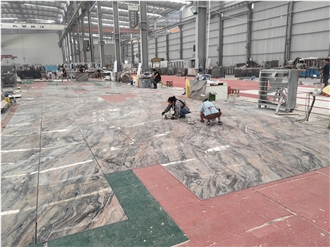
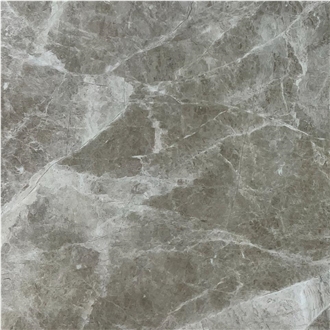
Arabescato Grigio Marble features medium to dark steel-gray and graphite-gray angular blocks embedded within a light gray to off-white calcite matrix. The contrast between darker fragments and the pale cement creates a dramatic, architectural look reminiscent of classic European breccia marbles, while maintaining a modern, neutral elegance.
- Texture Type: Crystalline marble with brecciated structure
- Grain size: Fine to medium crystalline
- Surface feel: Smooth and compact when polished; soft, matte elegance when honed
- Natural characteristics: Hairline calcite veins, healed fractures, and fossilized mineral inclusions typical of brecciated marbles
- Pattern Structure: Breccia (angular stone fragments naturally cemented together)
- Movement: Bold, fragmented, and irregular
- Veining: Thin white calcite veins and subtle micro-fractures
- Visual effect: Strong depth, layered geological movement, and high visual contrast
Typical Technical Test Results
(Indicative values; may vary by quarry block and testing standard)
- Bulk Density: 2.65–2.72 g/cm³
- Water Absorption: 0.20–0.40 % by weight
- Compressive Strength: 100–135 MPa
- Flexural Strength: 12–18 MPa
- Abrasion Resistance (Böhme): 18–22 cm³/50 cm²
- Mohs Hardness: 3–4 Typical of calcite-based marbles; suitable for interior architectural applications and moderate-traffic areas with proper care
Chemical Composition (approx. % by weight)
- Calcium Carbonate (CaCO₃): 92–96%
- Magnesium Carbonate (MgCO₃): 1–3%
- Silica (SiO₂): 1–3%
- Iron Oxides & Trace Minerals: <1%
Mineral Composition (approx. % by weight)
- Calcite: 90–95%
- Dolomite: 2–4%
- Quartz: 1–3%
- Accessory Minerals (mica, iron minerals): <1%
Applications / Usage
- Interior flooring and wall cladding
- Feature walls and book-matched panels
- Bathroom vanities, shower walls, and surrounds
- Fireplace surrounds
- Staircases and risers
- Decorative columns and architectural accents
Recommended primarily for interior use or low-exposure exterior applications.
Maintenance
- Seal before use and reseal periodically depending on traffic and exposure
- Clean with pH-neutral stone cleaners only
- Avoid acidic or abrasive substances
- Wipe spills promptly to prevent etching Use mats and felt pads in high-use areas
FAQ
Arabescato Grigio Marble is a natural stone known for its aesthetic appeal and durability. However, when used around a fireplace, there are a few considerations to keep in mind to minimize the risk of cracking:
1. **Heat Exposure**: Marble can be sensitive to extreme and rapid temperature changes. Prolonged and direct exposure to high temperatures near a fireplace might lead to thermal stress, potentially causing cracks over time.
2. **Installation**: Proper installation is crucial. Ensure that the marble is adequately supported and that expansion joints are included to allow for some movement with temperature fluctuations.
3. **Thickness**: A 2 cm thickness (approximately 3/4 inch) for marble is generally adequate for many applications, but for a fireplace surround, thicker slabs (such as 3 cm) are sometimes recommended to better withstand thermal stress.
4. **Maintenance**: Regular maintenance, like sealing the marble, can help protect against staining and can also slightly help manage the effects of heat.
5. **Backer Materials**: Using a proper backing material can help distribute heat more evenly and reduce stress on the marble.
While 2 cm thick Arabescato Grigio Marble can be used around a fireplace, ensure proper installation and take precautions to minimize direct and rapid heating to reduce the risk of cracking. Consulting with a professional installer for specific advice customized to your installation is recommended.
Is 2cm thickness Arabescato Grigio Marble good for office worktops?
Arabescato Grigio Marble is a beautiful and desirable material that can certainly be used for office worktops, but whether it is good for this use depends on several factors:
1. **Aesthetic Appeal**: Arabescato Grigio Marble is known for its elegant veining and sophisticated appearance, which can enhance the aesthetic appeal of an office environment. It can create an upscale and professional look.
2. **Durability**: At 2cm thickness, this marble can be suitable for worktops, but it may not be the best choice in environments that experience heavy use or are prone to impact. Marble is a softer and more porous stone compared to granite or quartz, making it vulnerable to scratching, staining, and etching, especially if acidic substances are spilled on it.
3. **Maintenance**: Marble requires regular maintenance and sealing to keep its appearance and prevent staining. If the worktops are in a high-traffic area where spills are likely, this could lead to more frequent maintenance needs.
4. **Cost**: Marble tends to be more expensive than some other options, both in terms of initial cost and ongoing maintenance. Consider whether the budget allows for this and if its use in the office justifies the expense.
5. **Functionality**: For practical purposes, especially in an office where functionality is key, it’s important to consider how the worktops will be used. If the worktop will be subjected to heavy writing, crafting, or other tasks, the physical properties of marble may not be ideal.
In summary, while Arabescato Grigio Marble can be an excellent choice for creating a stunning office environment, practical concerns regarding durability, maintenance, and cost should be carefully weighed. Consider the specific needs of the office and whether the aesthetic benefits outweigh potential drawbacks.
What happens to Arabescato Grigio Marble countertop if not sealed?
If Arabescato Grigio Marble countertops are not sealed, they can be more susceptible to several potential issues:
1. **Staining:** Marble is a porous natural stone, and without a sealant, it can easily absorb liquids like wine, coffee, oils, and juice, leading to stains that are difficult to remove.
2. **Etching:** Marble is composed mainly of calcium carbonate, which can react with acidic substances like lemon juice, vinegar, and some cleaning products. This causes etching, which appears as dull spots on an otherwise shiny surface.
3. **Scratches and Wear:** Unsealed marble is more prone to scratches and the effects of daily wear and tear, which can dull the surface over time.
4. **Water Damage:** Absorption of water can lead to water spots and potential damage like weakening of the stone structure over the long term.
5. **Bacterial Growth:** The porous nature without a sealant can harbor bacteria and mold, especially in the kitchen where food is prepared.
Applying a proper sealant helps to create a barrier against these issues, maintaining the appearance and longevity of the marble. Regular sealing, depending on the usage, is recommended to keep the marble in good condition.
How thick should a Arabescato Grigio Marble stair step be?
The thickness of a Arabescato Grigio Marble stair step typically depends on structural requirements as well as design preferences. Generally, marble stair treads are about 2 to 3 centimeters (approximately 3/4 to 1-1/4 inches) thick. For residential applications, a thickness of 2 centimeters (3/4 inch) is often sufficient, while 3 centimeters (1-1/4 inches) might be more appropriate for commercial applications where increased durability is needed.
Its important to consult with an architect or structural engineer to ensure that the chosen thickness meets local building codes and structural requirements for safety and longevity. Additionally, factors such as the span of the stair, expected foot traffic, and the presence of a supporting substrate can influence the appropriate thickness needed for the marble stair steps.
Can I put a hot pan on Arabescato Grigio Marble countertop?
Its generally not recommended to place a hot pan directly on an Arabescato Grigio Marble countertop. Marble is a natural stone that can be sensitive to heat, and placing a hot pan on its surface could cause thermal shock, leading to cracks or discoloration. To protect your marble countertop, always use trivets or hot pads when dealing with hot cookware. This precaution helps maintain the longevity and appearance of your marble surface.
Is Arabescato Grigio Marble countertop heat resistant?
Arabescato Grigio Marble is a natural stone, and like most marble, it is not highly heat resistant. While it can withstand some heat, such as placing a warm dish on the surface for a short period, it is not advisable to place hot pots or pans directly on it. Marble can suffer thermal shock or discoloration from very high temperatures, which can cause damage. To protect your marble countertop, its best to use trivets or hot pads under hot cookware to prevent any potential damage.


14YR