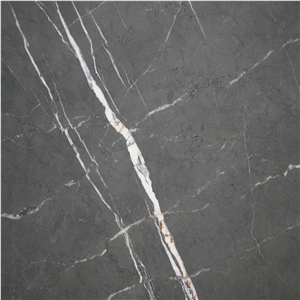
Arabescatus Marble from Brazil is generally suitable for exterior applications, including in rainy climates. However, some factors need to be considered to ensure its performance and durability.
1. Porosity: Marble is a naturally porous material, which means it can absorb moisture. To make Arabescatus Marble suitable for exterior use, it should be properly sealed or treated to reduce its porosity and prevent water penetration. This will help to minimize the risk of water damage, staining, and deterioration over time.
2. Maintenance: Regular maintenance and cleaning are essential for marble in exterior applications. Rainwater, along with environmental factors like pollutants and organic matter, can accumulate on the surface of the stone and cause staining or discoloration. Therefore, regular cleaning with appropriate products and schedules is necessary to maintain the marbles appearance and longevity.
3. Grade and quality: The quality of Arabescatus Marble can vary, and it is important to choose a high-grade stone for exterior use. Lower-quality marble may be more prone to damage and may not withstand the test of time in harsh climates.
4. Installation: Proper installation techniques are crucial for exterior applications in rainy climates. Adequate waterproofing and drainage systems should be implemented to ensure proper water runoff and to prevent water from seeping into the structure. Working with experienced professionals who have knowledge of installing marble in such conditions is important.
While Arabescatus Marble can be used in exterior applications in rainy climates, it requires careful consideration, proper maintenance, and professional installation to ensure its longevity and performance.


 Brazil


 China


 14YR


 Turkey


 Italy

 Iran


 Myanmar


 France