Post Your Needs

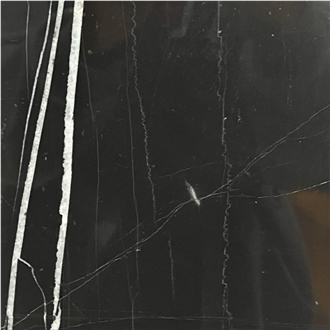
Arcadia Black Marble

Black - Marble

Greece

About

Item Details

Material Type:
Marble
Origin:
Greece (Vytina, Tripolis, Arkadia, Peloponnese)
Primary Color(s):
Black
Recommended Usage:
Ornamental stone, interior, exterior, wall, floor application, stairs, mosaic, countertops
Additional Names:
Black of Vytina Marble, Black of Vytinas Marble, Vytina Black Shell Marble, Black of Arcadia Marble, Nero Vitina Marble, Vitina Black Marble, Vytina Black Marble, Nero Vytina Marble, Arkadia Black Marble, Arcadia Black Marble
Finished Surface:
Polished, Sawn Cut, Sanded, Rockfaced, Sandblasted, Tumbled

Testing

Water Absorption:
0.13 By weight %
Density:
2717 kg/m3
Flexural Strength:
14.2 MPa
Compressive Strength:
97.9 MPa

Description

Mineralogical Composition:
Calcite:96%
Dolomite:3%
Quartz: 1%

FAQ

Can Arcadia Black Marble be used for kitchen countertop?

Yes, Arcadia Black Marble can be used for a kitchen countertop, but there are some considerations to keep in mind. Marble, including Arcadia Black Marble, is a beautiful and luxurious material, but it is also relatively soft and porous compared to other popular countertop materials like granite or quartz. Here are a few points to consider: 1. **Staining**: Marble is porous and can easily absorb liquids, which can lead to staining. Be sure to seal the marble regularly to help prevent stains from oils, wine, and acidic substances like citrus juice. 2. **Scratches and Etching**: Marble is softer than granite and quartz, making it more susceptible to scratches and etching from acidic substances. Using cutting boards and trivets can help protect the surface. 3. **Maintenance**: Regular maintenance, including sealing and cleaning with pH-balanced cleaners, is essential to keep the marble in good condition. 4. **Aesthetic**: Arcadia Black Marble offers a unique and elegant appearance that can enhance the aesthetic appeal of a kitchen. If you appreciate the natural beauty and are willing to maintain it properly, Arcadia Black Marble can be a stunning choice for a kitchen countertop. However, if you prefer a lower-maintenance option, you might want to consider more durable materials like quartz or granite.

How can I repair the scratched surface of the Arcadia Black Marble steps?

Repairing scratched Arcadia Black Marble steps requires some careful work to restore their appearance. Here’s a step-by-step guide to help you with the process: 1. **Assess the Damage**: Start by evaluating the depth and extent of the scratches. Surface-level scratches can often be repaired at home, while deeper scratches might require professional help. 2. **Clean the Area**: Use a soft cloth and a pH-neutral marble cleaner or a mixture of mild dish soap and water to clean the scratched area. Make sure to remove all dirt and debris. Rinse with clean water and let it dry completely. 3. **Sand the Scratches**: For light scratches, you can use a piece of fine-grit (around 400-grit) sandpaper. Start gently sanding the scratched area in a circular motion. Be cautious not to sand too much, as this could worsen the damage. 4. **Progressively Use Finer Grits**: After the initial sanding, move on to a finer grit sandpaper (800-1000 grit). This will help smooth out the surface. Finally, use an even finer grit (2000-grit) for finishing. 5. **Buff the Surface**: Use a marble or stone polishing compound, which is available at most hardware stores. Apply a small amount on a soft, clean cloth and buff the surface in a circular motion. This helps restore the marble’s shine. Follow the manufacturers instructions on the product for best results. 6. **Seal the Marble**: After polishing, apply a marble sealer to protect the surface from future scratches and stains. Sealers can also enhance the stone’s natural color and shine. Follow the instructions on the sealer’s packaging for proper application. 7. **Regular Maintenance**: Maintain your marble steps by cleaning regularly with a pH-neutral cleaner and using mats or rugs to minimize dirt and grit that can cause scratches. Avoid using harsh chemicals or abrasive cleaners on the marble. If the scratches are deep or if you are not achieving the desired results, consider consulting a professional stone restoration specialist. They have specialized tools and products to handle deeper scratches and restore the marble to its original condition.

Is Arcadia Black Marble with a polished surface good for commercial office flooring?

Arcadia Black Marble with a polished surface can be a suitable choice for commercial office flooring, but there are a few factors to consider before making a decision: 1. **Aesthetic Appeal**: Marble, especially a type like Arcadia Black, typically has a luxurious and elegant appearance that can enhance the overall aesthetic of an office space, conveying a sense of sophistication and professionalism. 2. **Durability**: While marble is a durable natural stone, it is also relatively soft compared to other stones like granite. In high-traffic commercial areas, it might be prone to scratching, chipping, or dulling over time. It’s crucial to assess whether the office space will have heavy foot traffic that could accelerate wear. 3. **Maintenance**: Polished marble surfaces require regular maintenance to keep their shine and prevent etching and staining, especially from spills of acidic substances. For a commercial office, consider whether regular sealing and cleaning routines can be integrated into maintenance schedules. 4. **Slip Resistance**: Polished marble can be quite slippery, which might pose a safety hazard, particularly if it becomes wet. This is an important consideration for offices that may experience spills or moisture near entrances and exit points. 5. **Cost**: Marble tends to be on the higher end of the cost spectrum for flooring materials, not only in terms of purchase and installation but also ongoing maintenance. 6. **Acoustics**: Hard surfaces like polished marble may contribute to noise levels within a commercial office setting, potentially affecting the acoustics of the space. 7. **Sustainability**: Consider the environmental impact of sourcing and transporting marble. There are other materials available that might offer a more sustainable and cost-effective solution. If these factors align with the offices design goals, budget, and maintenance capabilities, Arcadia Black Marble can be a good choice. However, it’s often advisable to consult with a design professional or flooring specialist to ensure the material meets all functional and aesthetic requirements specific to the commercial environment.

Is Arcadia Black Marble a suitable choice for gravestones?

Arcadia Black Marble can be a suitable choice for gravestones, but there are several factors to consider: 1. **Aesthetics**: Arcadia Black Marble is known for its deep, rich black color with white veining, which can create a striking and elegant appearance. If youre looking for a bold and classic look, it could be a good fit. 2. **Durability**: Marble is generally less durable than granite, which is the most common material used for gravestones. Marble is more prone to weathering and erosion over time, especially in harsh climates. This means that inscriptions may become less legible over the years compared to granite. 3. **Maintenance**: Polished marble can require more maintenance to keep its appearance. It is more susceptible to staining and acid rain, which can dull its surface over time. 4. **Cost**: Marble tends to be more expensive than other stone options like granite. Be sure to compare costs if budget is a concern. 5. **Cemetery Regulations**: Some cemeteries have regulations regarding the materials that can be used for headstones. Make sure to check these before making a decision. 6. **Cultural and Personal Preference**: Some people might prefer marble for its traditional and historical connotations, as it has been used for centuries in monuments and statues. If you choose Arcadia Black Marble, its important to weigh these factors and perhaps consult with a professional monument maker to ensure it meets your needs in terms of longevity and maintenance.

How can I remove mold from Arcadia Black Marble wall tiles?

Removing mold from Arcadia Black Marble wall tiles requires careful handling to preserve the integrity and appearance of the marble. Here’s a step-by-step guide to doing so: 1. **Gather Supplies:** - pH-neutral stone cleaner or a mild dish soap - Soft microfiber cloths - Soft-bristle brush - Bowl or bucket of warm water - Hydrogen peroxide (for stubborn stains) - Spray bottle - Dry towel or cloth 2. **Prepare the Surface:** - Ensure the area is well-ventilated by opening windows or using fans. - Lightly dust the surface of the tiles with a dry microfiber cloth to remove surface dirt or dust. 3. **Clean with Mild Soap:** - Mix a pH-neutral stone cleaner or a couple of drops of mild dish soap with warm water. - Dampen a microfiber cloth or soft sponge in the solution, making sure it is not too wet, as excess water can damage marble. - Gently wipe the moldy areas of the marble tiles. Avoid scrubbing too hard to prevent scratching the marble. 4. **Use a Soft Brush for Stubborn Areas:** - For areas with more significant mold build-up, use a soft-bristle brush to gently scrub the affected sections lightly. Be gentle to avoid scratching. 5. **Rinse the Surface:** - Dampen a clean microfiber cloth in plain water and go over the tiles to remove any soap residue, which can dull the marble over time. 6. **Dry the Surface:** - Use a dry towel or cloth to thoroughly dry the marble tiles to prevent water spots. 7. **Address Stubborn Stains (if needed):** - For persistent mold stains, fill a spray bottle with hydrogen peroxide. It is crucial to start with a low concentration (around 3%). - Spray lightly on the affected area, allowing it to sit for about 15 minutes. - Wipe away with a damp cloth, then dry the area thoroughly. 8. **Prevent Future Mold:** - Ensure the bathroom or area with marble tiles is well-ventilated to minimize moisture build-up. - Use a fan or dehumidifier if necessary to reduce humidity. - Regularly clean the marble tiles with a pH-neutral cleaner to maintain their shine and prevent mold recurrence. **Important Note:** Always test any cleaning solution on a small, inconspicuous area first to ensure it does not damage or discolor the marble. Avoid using acidic cleaners like vinegar, as they can damage marble surfaces.

Does Arcadia Black Marble bathroom walll and floor tiles need to be sealed?

Yes, Arcadia Black Marble bathroom wall and floor tiles should be sealed. Marble is a natural stone that is porous, which means it can absorb moisture, oils, and stains if not properly protected. Sealing the tiles helps prevent these issues by creating a barrier on the surface. Its generally recommended to seal marble tiles upon installation and then reseal them periodically, depending on the level of use and the type of sealer used. Be sure to use a sealer that is specifically designed for natural stone, and follow the manufacturers instructions for the best results.

How can I clean Arcadia Black Marble mosaic tiles?

Cleaning Arcadia Black Marble mosaic tiles requires some care to maintain their natural beauty and avoid any damage: 1. **Regular Dusting and Sweeping**: Use a soft, dry microfiber cloth or a soft-bristle broom to gently remove dust and debris from the tile surface. Avoid scratchy materials or rough brooms that could damage the surface. 2. **Damp Mopping**: Use a damp (not soaking wet) mop with warm water to clean the tiles. Wring out the mop thoroughly to avoid excess water on the marble, as it can damage the stone over time. 3. **Gentle Cleaners**: Use pH-neutral or marble-specific cleaners to avoid dulling or etching the marble. Avoid acidic cleaners like vinegar, lemon juice, or harsh chemicals, which can damage the marbles surface. 4. **Spot Cleaning**: For spills, blot the area immediately with a soft cloth to prevent staining. Avoid wiping, as that can spread the spill. 5. **Rinsing**: After using a cleaning solution, rinse the tiles with clean, warm water to remove any residue. Dry the surface immediately with a soft towel to prevent water spots. 6. **Sealing**: Marble is porous, so it requires regular sealing to protect it from stains. Follow the manufacturers guidelines on sealing frequency, usually once or twice a year. 7. **Avoid Abrasive Materials**: Never use steel wool, scrubbing pads, or abrasive powders on marble surfaces. 8. **Additional Care**: Place mats or rugs in high-traffic areas to minimize wear and tear, and use coasters or placemats on surfaces where you place items that can scratch or stain. Regular maintenance and using the right products will help keep your Arcadia Black Marble mosaic tiles looking beautiful for years to come.

Can Greece's Arcadia Black Marble be used exterior applications in cold climates?

Yes, Greeces Arcadia Black Marble can be used in exterior applications in cold climates. Marble is a durable and weather-resistant material that can withstand freezing temperatures and harsh weather conditions. However, it is important to note that natural stones like marble may be more prone to natural weathering and erosion compared to other materials. Regular maintenance and sealing can help protect the marble and prolong its lifespan in outdoor applications.

What is the average compressive strength of Greece's Arcadia Black Marble?

There is no specific or official average compressive strength value available for Greeces Arcadia Black Marble as it can vary depending on the specific quarry, slab, or block being tested. The compressive strength of marble can range from 70 MPa (10,000 psi) to 130 MPa (18,900 psi) depending on various factors such as composition, quarry location, and extraction techniques. It is recommended to contact specific quarry owners or marble suppliers in Greece for more accurate and up-to-date information on the compressive strength of Arcadia Black Marble.

Hot Black Marble

New Marble

Post Your Request

The request includes:
  1. surface finished, size
  2. quantity required