Post Your Needs

Ariston V Marble

White - Marble

Greece

About

Item Details

Material Type:
Marble
Origin:
Greece (Granitis, Drama, Kavala, North-East of Greece)
Primary Color(s):
White
Recommended Usage:
Countertops, monuments, mosaic, exterior - interior wall and floor applications, fountains, pool and wall coping
Additional Names:
Ariston V White Marble, Ariston Marble, Ariston Venus Marble, Galaxy Classico Marble, White Ariston Marble, Drama White Marble, Kavala White Marble, in China stone market:雅士白(yā shì bái), Ariston V Marble
Finished Surface:
Polished, Sawn Cut, Sanded, Rockfaced, Sandblasted, Tumbled

Testing

Water Absorption:
0.23 By weight %
Density:
2790 kg/m3
Flexural Strength:
6.1 MPa
Compressive Strength:
110.0 MPa

Description

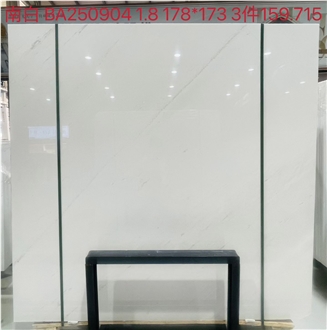
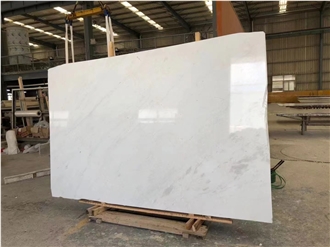
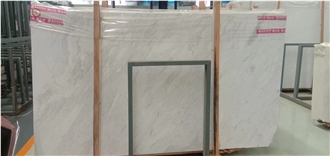
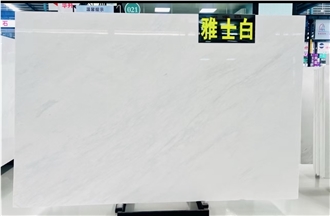
Ariston V is a fine grained dolomitic marble, white background, scattered with light to medium, linear or wavy, diagonal, grayish/beige veining and occasionally with few grayish or reddish calcite lines and/or round-shaped calcite crystals extracted in Drama, Kavala, North-East of Greece. This stone is especially good for Countertops, monuments, mosaic, exterior - interior wall and floor applications, fountains, pool and wall coping and other design projects. It also called Ariston V Marble,Ariston Marble,Ariston Venus Marble,Galaxy Classico Marble,White Ariston Marble,Drama White Marble,Kavala White Marble,in China stone market:雅士白(yā shì bái) . Ariston V can be processed into Polished, Sawn Cut, Sanded, Rockfaced, Sandblasted, Tumbled and so on.

FAQ

How thick is Greece's Ariston V Marble slabs?

The thickness of Greeces Ariston V marble slabs can vary depending on the specific quarry and supplier. However, the most common thickness for marble slabs, including Ariston V, is typically between 2 centimeters (0.79 inches) and 3 centimeters (1.18 inches).

How can I keep Ariston V Marble from chipping when cutting?

To prevent Ariston V Marble from chipping when cutting, here are some tips: 1. Use the right tools: Invest in a high-quality diamond blade specifically designed for cutting marble. Diamond blades are known for their sharpness and ability to cut through hard materials without chipping. 2. Mark the cutting line: Before cutting, use a pencil or masking tape to mark the precise cutting line on the marble surface. This will help provide guidance when cutting and minimize the chance of accidental chipping. 3. Apply masking tape: Carefully place masking tape along the cutting line, leaving a small portion exposed for cutting. The tape acts as a protective layer that can help reduce chipping during the cutting process. 4. Work slowly and steadily: Use a slow cutting speed to minimize the chances of chipping. Apply light pressure and let the blade do the work. When cutting, avoid rushing or placing excessive force on the marble, as this can lead to chipping. 5. Keep the surface supported: Use a sturdy worktable or a supportive surface to keep the marble flat and secure during cutting. This will help reduce vibrations and prevent the material from shifting, which can cause chipping. 6. Consider wet cutting: Wet cutting involves using water to cool and lubricate the blade while cutting. This method can help reduce friction and heat, minimizing the chances of chipping. However, be cautious as wet cutting may create a mess, requiring proper drainage or containment. 7. Practice on a scrap piece: If you are new to cutting marble or working with Ariston V Marble, it is advisable to practice on a scrap piece first. This allows you to familiarize yourself with the cutting process and adjust the technique as needed before working on the actual project. Always prioritize safety when working with cutting tools. Wear appropriate protective gear such as safety goggles, gloves, and a dust mask to protect yourself from any potential hazards.

Does cutting on Ariston V Marble dull knives?

No, cutting on Ariston V Marble does not necessarily dull knives. Marble is a relatively soft material compared to other surfaces like granite or ceramic, so it is less likely to dull knives. However, it is always recommended to use a cutting board to protect both the knives and the marble surface.

What happens if I put a hot pan on Ariston V Marble?

If you put a hot pan directly on Ariston V Marble, it can potentially cause damage to the surface. Marble is a natural stone and is sensitive to heat. The excessive heat from the hot pan can cause the marble to expand and potentially crack. It can also cause discoloration or leave burn marks on the surface. To avoid such damage, it is recommended to use trivets, hot pads, or other heat-resistant materials as a barrier between hot pans and marble surfaces. These protective tools help to distribute the heat and prevent direct contact with the marble, minimizing the risk of damage. Similarly, it is always advisable to follow the care and maintenance instructions provided by the manufacturer or consult a professional for specific advice on your Ariston V Marble.

How can I drill into Ariston V Marble without cracking it?

Drilling into Ariston V Marble without cracking it requires careful planning and proper techniques. Here are some steps to follow: 1. Gather the required tools: You will need a diamond-tipped drill bit specifically designed for drilling into hard materials like marble. Do not use regular drill bits as they can cause the marble to crack. Also, youll need a variable speed drill, masking tape, a marker, water, and a spray bottle. 2. Mark the drilling spot: Use a marker to clearly mark the location on the surface where you want to drill the hole. Use a level to ensure the mark is perfectly horizontal or vertical, depending on your needs. 3. Create a drilling template: Apply masking tape over the marked area to create a drilling template. This will help prevent any chipping or cracking around the drill hole. 4. Prepare the drilling area: Place a small amount of water on the drilling site. This will act as a lubricant and coolant to prevent overheating. Its crucial to keep the drilling area wet during the drilling process. 5. Start drilling: Set your drill to a low and controlled speed. Begin drilling at a slow pace, applying light and steady pressure. Start at a low angle, gradually increasing it until reaching the desired drilling angle. Remember to keep the drill bit and the drilling area wet with water throughout the process. 6. Take breaks: Occasionally stop drilling to allow the drill bit and the marble to cool down. This helps prevent overheating and reduces the chances of cracking. 7. Drill slowly: Patience is key here. Take your time while drilling, allowing the bit to penetrate the marble gradually. Applying excessive pressure or drilling too quickly can crack the marble. 8. Clean and check: Once youve created the desired hole, stop drilling and clean the surface. Remove the masking tape, and wipe away any excess water or debris. By following these steps with care and patience, you can drill into Ariston V Marble without cracking it. Remember to practice on a spare piece of marble initially to gain confidence and perfect your technique if you are not experienced with drilling into this material.

What is the best finish for Ariston V Marble window sills?

The best finish for Ariston V Marble window sills would be a polished finish. This finish would enhance the natural beauty of the marble and provide a smooth, glossy surface that is highly resistant to stains and easy to clean. Additionally, the polished finish would add a touch of elegance and sophistication to your window sills.

Is Ariston V Marble or granite better for window sills?

Both Ariston V marble and granite are popular choices for window sills, but there are some differences between the two. Marble is a natural stone that offers a classic and elegant look. It is available in various colors and patterns, including the popular Ariston V variety. Marble has a smooth and polished surface, which adds a touch of luxury to any space. However, it is important to note that marble is a relatively soft and porous stone, which means it can be susceptible to scratching and staining. It requires regular sealing and maintenance to keep it in good condition. Granite, on the other hand, is known for its durability and strength. It is a harder and less porous stone compared to marble, making it more resistant to scratches, stains, and heat. Granite comes in a wide range of colors and patterns, giving you numerous options to choose from for your window sills. It is also relatively low-maintenance, requiring less frequent sealing compared to marble. Ultimately, the choice between Ariston V marble and granite for window sills depends on personal preference, the style of the space, and the desired level of maintenance. If you prioritize the luxurious look and are willing to invest in regular maintenance, marble can be a great choice. On the other hand, if durability and ease of maintenance are more important to you, granite might be the better option.

Is white Ariston V Marble good for window sills?

Yes, white Ariston V Marble is commonly used for window sills. It is a high-quality marble known for its elegant white color, subtle veins, and durability. It can add a luxurious touch to your windows while also providing a functional and durable surface for holding objects and supporting the window frames.

Products & Prices

View More

Hot White Marble

New Marble

Post Your Request

The request includes:
  1. surface finished, size
  2. quantity required