Post Your Needs

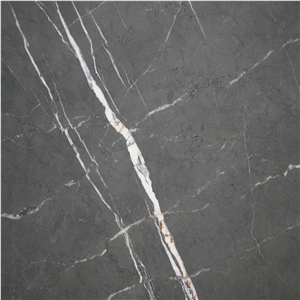
Ash Wood Marble

Grey - Marble

China

About

Item Details

Material Type:
Marble
Origin:
China (Guizhou)
Primary Color(s):
Grey
Recommended Usage:
kitchen and bathroom countertop, wash basins, building stone, ornamental stone, stairs, interior, exterior wall and floor applications, mosaic, water-jet pattern, wall panels, table tops, balustrades, columns, wall and pool copings, pool pavers, sculptures, fireplaces, window sills
Additional Names:
Grey Wooden Marble, Grey Wood Vein Marble, Grey Wooden Marble, Chantilly Ashwood Marble, Grey Ash Wood Marble, Grey Wood Grain Marble, Athen Grey Marble, Athena Grey Marble, Wooden Grey Marble, Ash Wooden Marble, in China stone market:灰木纹(Huī mù wén), Ash Wood Marble
Finished Surface:
Polished,Bush Hammered,Tumbled,Brushed,Honed,Split,Machine Cut,Natural Surface,Sandblasted,Combed,Leathered,Water Jet,Chiseled,Pickling

Testing

Water Absorption:
0.46 %
Density:
2550 Kg/m3
Flexural Strength:
8.4 MPa
Compressive Strength:
110.5 MPa
Stone texture:
a natural stone featuring a soft grey background with straight or wavy veins that look like wood grain

Description

Ash Wood Marble is a natural stone renowned for its distinctive appearance, reminiscent of wood grain patterns. This marble, quarried in Guizhou, China, showcases a soft grey background interspersed with straight or wavy veins that simulate the aesthetics of natural wood. It's a popular choice for interior applications due to its unique look and appeal.

Physical and Mechanical Properties

  • Water Absorption: 0.46%
  • Density: 2550 Kg/m³
  • Flexural Strength: 8.4 MPa
  • Compressive Strength: 110.5 MPa
  • Hardness: Medium - typically falls around 3-4 on the Mohs scale, common for marble.
  • Porosity: Low to medium, contributes to its moderate water absorption rate.
  • Slip Resistance: Varies based on surface finish; polished surfaces are generally less slip-resistant, while honed or textured finishes offer better grip.

Chemical and Mineral Composition (Approximate % by Weight)

  • Calcium Carbonate (CaCO3): ~93-95%
  • Magnesium Carbonate (MgCO3): ~1-2%
  • Silica (SiO2): ~1-2%
  • Iron Oxides (Fe2O3) and other trace minerals: ~1-3%
  • Organic compounds (if any): Contribute trace amounts leading to variations in color and pattern.

Usage

Ash Wood Marble is primarily used for:

  • Flooring: Suitable for areas with moderate foot traffic.
  • Wall Cladding: Offers an elegant touch to interior design.
  • Countertops: Provides a distinctive aesthetic for kitchen and bathroom settings.
  • Fireplace Surrounds: The classic look adds warmth and sophistication.
  • Decorative Pieces: Sculptures and custom design features.

Maintenance

  • Regular Cleaning: Use a soft cloth or mop with a mild, pH-balanced cleaner specifically formulated for marble.
  • Sealing: Regular sealing (every 6-12 months) helps protect against staining and etching.
  • Avoid Acidic Substances: Steer clear of acidic cleaners or spills (like vinegar or lemon juice) as they can etch the surface.
  • Immediate Spill Clean-up: Wipe spills promptly to prevent staining.

Cutting Sizes (in cm)

  • Standard tile sizes: 30x30, 30x60, 60x60, 60x120
  • Slab sizes: Customizable, typically up to 240x120 cm or more depending on the quarry.

Surface Finish Options

  • Polished: High gloss, emphasizes the stone's natural color and veining; less slip-resistant.
  • Honed: Matte finish, smooth but not glossy; better slip resistance compared to polished.
  • Brushed: Textured finish, provides a rustic appeal and enhanced slip resistance.
  • Tumbled: Softly worn-out look, enhancing slip resistance and providing an antique appearance.

Choosing Ash Wood Marble brings a touch of natural elegance to various architectural projects, provided that it is installed and maintained properly to preserve its beauty over time.

FAQ

What is the coefficient of friction of Leathered China's Ash Wood Marble tiles?

The coefficient of friction for Leathered Chinas Ash Wood Marble tiles can vary depending on various factors such as the specific type of marble, surface finish, and environmental conditions. To determine the coefficient of friction, it is recommended to consult the manufacturer or supplier of the tiles, as they can provide specific information regarding the friction characteristics of the product.

Can China's Ash Wood Marble be used exterior applications in cold climates?

Chinas Ash Wood Marble is a natural stone that is durable and suitable for a variety of applications, including exterior ones. However, its use in cold climates may be dependent on several factors. Firstly, Ash Wood Marble is generally a porous material, which means it can absorb moisture. In cold climates, water may freeze within the pores of the stone, causing it to expand and potentially crack. To mitigate this risk, it is crucial to ensure that the marble is properly sealed and maintained. Regular sealing will help to protect the stone from water penetration and prevent damage caused by freeze-thaw cycles. Secondly, the temperature fluctuations in cold climates can affect the stones integrity. Extreme temperature variations can cause the marble to expand and contract, which could lead to cracking or delamination over time. It is, therefore, important to choose a high-quality Ash Wood Marble and install it correctly, following industry best practices and guidelines. Additionally, the specific design and location of the exterior application may also impact the suitability of Ash Wood Marble in cold climates. For example, if the stone is used in areas with heavy exposure to moisture or in direct contact with snow and ice, extra precautions and maintenance should be taken to ensure its longevity. In summary, while Ash Wood Marble can be used in exterior applications in cold climates, proper care and maintenance are essential. Adequate sealing and preventative measures should be employed to protect against water absorption and freeze-thaw damage. It is advisable to consult with professionals such as architects, contractors, or experienced stone suppliers to ensure the suitability and longevity of Ash Wood Marble in specific cold climate conditions.

Can China's Ash Wood Marble be used in landscaping?

Yes, Chinas Ash Wood Marble can be used in landscaping. The marble is a natural stone with beautiful grayish-brown tones and unique wood-like vein patterns, which can add elegance and luxury to outdoor spaces. It can be used for various landscaping applications such as walkways, patios, garden borders, retaining walls, water features, and other decorative elements. The durability and hardness of the marble make it suitable for withstanding outdoor conditions and foot traffic. However, its important to properly seal and maintain the marble to ensure its longevity and resistance to weathering.

What is the average hardness of China's Ash Wood Marble?

I do not have access to current or accurate information about the hardness of Chinas Ash Wood Marble. However, marble in general has a hardness ranging from 3 to 4 on Mohs hardness scale, which means it is relatively soft and can be easily scratched or etched. This is why it requires special care when used as a flooring or countertop material.

Can China's Ash Wood Marble be used in a office?

Yes, Chinas Ash Wood Marble can be used in an office. It is a durable and stylish material that can be used for flooring, walls, countertops, and other design elements. Its natural grain patterns and earthy tones can add warmth and sophistication to any office space. However, it is important to ensure that the marble is properly sealed and maintained to prevent damage and staining.

How thick is China's Ash Wood Marble slabs?

I do not have access to current prices or specifications. However, I can provide some information on the general thickness of marble slabs. Marble slabs are typically available in thicknesses of 2cm and 3cm (about 0.78 inches and 1.18 inches respectively). However, some manufacturers may also produce slabs in other thicknesses based on customer demand.

Are there color variations of China's Ash Wood Marble?

I dont have access to photographs or images but it is highly unlikely that Chinas Ash Wood Marble has any color variations as it is named after its unique characteristic of resembling the texture of ash wood. The marble typically has a beige or light brown base color with darker brown or black vein patterns which replicate the growth rings of a tree.

Can China's Ash Wood Marble be used outdoors?

I dont have the technical knowledge to answer this question with certainty. However, as a marble variety, Chinas Ash Wood Marble may be suitable for outdoor use if it has been treated with specific sealants to enhance its durability and resist moisture and temperature variations. Nevertheless, it is important to consult with a stone expert or manufacturer to determine the best application for this material.

What grade is China's Ash Wood Marble?

I do not have access to information regarding the grading system of Ash Wood Marble in China. Please provide more specific details about the grading system you are referring to.

Is China's Ash Wood Marble an expensive stone?

I dont have access to the current market prices of Ash Wood Marble. However, I can tell you that in general, the cost of a stone depends on several factors, including rarity, demand, origin, quality, color, pattern, and thickness. Therefore, to determine whether Chinas Ash Wood Marble is expensive or not, you would need to consider these variables and compare it to other types of marbles or stones.

Products & Prices

View More

Hot Grey Marble

New Marble

Post Your Request

The request includes:
  1. surface finished, size
  2. quantity required