Post Your Needs

Atlantic Gray Marble

Marble

China

About

Item Details

Material Type:
Marble
Origin:
China (Guizhou)
Recommended Usage:
Kitchen and bathroom countertops, wash basins, building stone, ornamental stone, stairs, interior, exterior wall and floor applications, mosaic, waterjet pattern, wall panels, table tops, balustrades, columns, wall and pool copings, pool pavers, sculptures, fireplaces
Additional Names:
Atlantic Grey Marble, Guizhou Gray Marble, in China stone market: 大西洋灰(Dàxīyáng huī), Atlantic Gray Marble
Finished Surface:
Polished,Bush Hammered,Tumbled,Brushed,Honed,Split,Machine Cut,Natural Surface,Sandblasted,Combed,Leathered,Water Jet,Filled,Chiseled,Pickling

Testing

Water Absorption:
0.282 % by weight
Density:
2710 kg/m³
Flexural Strength:
8.4 MPa
Compressive Strength:
139 MPa

Description

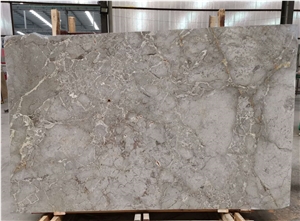
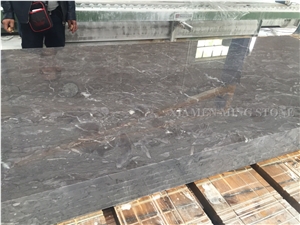
Atlantic Gray Marble, quarried in Guizhou province, China, is a natural stone characterized by its dark gray background interspersed with black and ivory white speckles, creating a small pebble grain pattern. This unique aesthetic makes it a sought-after material for various architectural and design applications.

Texture and Pattern:

The marble exhibits a fine-grained texture with a consistent distribution of black and ivory white speckles against a dark gray backdrop. This pebble-like pattern imparts a natural and elegant appearance, suitable for both contemporary and traditional designs.

Physical Properties:

  • Density: Approximately 2,710 kg/m³. 
  • Water Absorption: Around 0.282%, indicating low porosity and resistance to moisture penetration. 
  • Compressive Strength: Approximately 139 MPa, reflecting its ability to withstand substantial loads. 
  • Flexural Strength: Typically around 8.4 MPa, suggesting good resistance to bending forces.
  • Hardness: The marble's hardness is comparable to other natural stones, making it suitable for various applications, including flooring and countertops.

Chemical and Mineral Composition:

While specific chemical analyses for Atlantic Gray Marble are not provided, marbles generally consist predominantly of calcite (calcium carbonate, CaCO3), with possible traces of other minerals like dolomite, quartz, and micas, contributing to the stone's color variations and patterns.

Usage:

Due to its aesthetic appeal and physical robustness, Atlantic Gray Marble is suitable for:

  • Flooring: Providing durable and elegant surfaces in both residential and commercial spaces.
  • Wall Cladding: Enhancing interior and exterior walls with a sophisticated look.
  • Countertops and Vanity Tops: Offering stylish and functional surfaces in kitchens and bathrooms.
  • Staircases and Windowsills: Adding a touch of luxury to architectural elements.

Maintenance:

To maintain its appearance and longevity:

  • Sealing: Apply a high-quality sealant to protect against stains and moisture.
  • Cleaning: Use pH-neutral cleaners; avoid acidic or abrasive substances that can damage the surface.
  • Preventive Measures: Utilize coasters, trivets, and mats to guard against scratches and heat damage.

Cutting Sizes:

Atlantic Gray Marble is available in various dimensions to accommodate different design requirements:

  • Slabs: Standard sizes range from 2100–2400 mm (83–94 inches) in length and 1200–1800 mm (47–71 inches) in width, with thicknesses of 20 mm (0.79 inches) or 30 mm (1.18 inches). 
  • Tiles: Common sizes include 300×300 mm (12×12 inches), 600×300 mm (24×12 inches), and 600×600 mm (24×24 inches), with custom sizes available upon request. 
  • Countertops and Vanity Tops: Customizable dimensions to fit specific project needs.

Surface Finish Options:

The marble can be finished in various ways to achieve the desired aesthetic:

  • Polished: Provides a glossy, reflective surface that enhances the stone's color and pattern.
  • Honed: Offers a smooth, matte finish for a more understated look.
  • Antique: Gives a weathered appearance, adding character to the stone.

These versatile finish options allow Atlantic Gray Marble to be tailored to various design preferences and functional requirements.

FAQ

Does the surface of Atlantic Gray Marble countertop scratch easily?

While Atlantic Gray Marble is a durable and quality material for countertops, it is important to note that marble is a softer and more porous stone compared to other materials like quartz or granite. This means that the surface of a marble countertop can scratch more easily with sharp or abrasive objects. To prevent scratches on your Atlantic Gray Marble countertop, it is recommended to use cutting boards and trivets for hot pots and pans to protect the surface. Regular maintenance and sealing of the marble can also help to minimize the risk of scratches and maintain the beauty of the countertop.

Can glossy polished Atlantic Gray Marble be used for swimming pool terrace?

Yes, Atlantic Gray Marble can be used for a swimming pool terrace. Its glossy polished finish can add a touch of elegance and sophistication to the pool area. However, keep in mind that marble is a natural stone and may be more prone to scratching and staining compared to other materials. Proper maintenance and sealing will be important to ensure the longevity and beauty of the marble in a pool setting.

How can I remove mold from Atlantic Gray Marble wall tiles?

To remove mold from Atlantic Gray Marble wall tiles, you can follow these steps: 1. Create a cleaning solution by mixing equal parts water and white vinegar in a spray bottle. 2. Spray the solution onto the affected areas of the marble tiles. 3. Allow the solution to sit for 10-15 minutes to break down the mold. 4. Use a soft-bristle brush or sponge to scrub the mold off the tiles gently. 5. Rinse the tiles with clean water to remove any residue. 6. Dry the tiles thoroughly with a clean towel. If the mold persists, you can also try using a commercial mold and mildew remover specifically designed for marble surfaces. Just be sure to follow the manufacturers instructions carefully and test the product on a small, inconspicuous area of the marble first to ensure it wont cause any damage.

Does Atlantic Gray Marble bathroom wall mosaic tiles need to be sealed?

Yes, it is recommended to seal Atlantic Gray Marble bathroom wall mosaic tiles to protect them from moisture, stains, and other damage. Sealing the tiles will also help to enhance their natural beauty and prolong their lifespan. It is best to consult with a professional installer or supplier for specific instructions on sealing Atlantic Gray Marble tiles.

How can I clean Atlantic Gray Marble mosaic tiles?

To clean Atlantic Gray Marble mosaic tiles, follow these steps: 1. Start by sweeping or vacuuming the tiles to remove any loose dirt or debris. 2. Fill a bucket with warm water and add a small amount of a mild detergent or stone cleaner. 3. Use a soft sponge or cloth to gently scrub the tiles, focusing on any areas with stains or build-up. 4. Rinse the tiles with clean water to remove any soap residue. 5. Dry the tiles thoroughly with a clean towel or microfiber cloth to prevent water stains. 6. For stubborn stains or grime, you can create a paste using baking soda and water and gently scrub the affected areas with a soft brush. 7. Avoid using harsh or acidic cleaners, as they can damage the marble tiles. Additionally, avoid using abrasive scrubbing pads or brushes that can scratch the surface of the tiles. 8. It is important to regularly seal Atlantic Gray Marble tiles to protect them from stains and moisture. Follow the manufacturers recommendations for sealant application. By following these steps and regularly maintaining your Atlantic Gray Marble mosaic tiles, you can keep them looking clean and beautiful for years to come.

How can I clean the grout of Atlantic Gray Marble tumbled finish wall tiles?

To clean the grout of Atlantic Gray Marble tumbled finish wall tiles, you can follow these steps: 1. Start by mixing a solution of warm water and mild detergent or a pH-neutral cleaner in a bucket. 2. Use a stiff-bristled brush or a grout brush to scrub the grout lines with the cleaning solution. Make sure to scrub in a circular motion to effectively remove dirt and grime. 3. For tough stains, you can also make a paste using baking soda and water and apply it to the grout lines. Let it sit for a few minutes before scrubbing with a brush. 4. Once you have thoroughly cleaned the grout lines, rinse off the cleaning solution with clean water. You can also use a damp cloth to wipe off any remaining residue. 5. For stubborn stains or mold/mildew build-up, you can use a mixture of equal parts water and vinegar to spot-treat the affected areas. Let it sit for a few minutes before scrubbing and rinsing with water. 6. After cleaning, make sure to dry the grout lines thoroughly to prevent the growth of mold and mildew. It is important to regularly clean and maintain the grout of your Atlantic Gray Marble tumbled finish wall tiles to keep them looking their best.

I have a Atlantic Gray Marble countertop with a vein that looks broken. Should I glue it?

Gluing a broken vein in a marble countertop may not be the best solution as it could result in a visible patch or discoloration. It is recommended to consult with a professional stone fabricator or restoration specialist to determine the best course of action for repairing the broken vein in your countertop. They may be able to provide a more inconspicuous and long-lasting solution, such as filling the crack with a resin or resealing the damaged area.

Can 2cm thickness Atlantic Gray Marble be used for kitchen countertop?

It is possible to use 2cm thickness Atlantic Gray Marble for a kitchen countertop, but it may not be as durable as thicker slabs. Thicker slabs are generally recommended for countertops to provide sturdiness and prevent cracking or chipping. However, if proper care and maintenance are consistently followed, a 2cm thickness marble countertop can still be used effectively in a kitchen. It is important to consult with a professional installer to determine the appropriateness of this thickness for your specific needs.

How can I repair the scratched surface of the Atlantic Gray Marble steps?

1. Clean the surface: Start by thoroughly cleaning the scratched area with a mild soap and water solution. Use a soft cloth or sponge to gently scrub away any dirt or debris that may be covering the scratches. 2. Sand the scratches: If the scratches are shallow, you can try sanding them out using fine-grit sandpaper. Start with a low grit sandpaper (around 200-400 grit) and gradually work your way up to a higher grit (800-1200 grit) until the scratches are no longer visible. 3. Polish the surface: After sanding out the scratches, you can use a marble polishing compound to restore the shine to the surface. Apply the polishing compound to a clean cloth and buff the scratched area in a circular motion until the surface is smooth and shiny. 4. Seal the surface: Once the scratches are repaired and the surface is polished, its important to seal the marble to protect it from future damage. Choose a high-quality marble sealant and follow the manufacturers instructions for application. 5. Maintain the marble: To prevent future scratches and damage, regularly clean and maintain the marble steps by wiping up spills promptly, using coasters or protective pads under heavy objects, and avoiding harsh chemicals or abrasive cleaners. If the scratches are deep or extensive, it may be best to consult a professional marble restoration company to repair the damage.

Is Atlantic Gray Marble with a glossy polished surface good for house flooring?

Atlantic Gray Marble with a glossy polished surface can be a beautiful and elegant choice for house flooring. However, there are a few factors to consider before making a decision: 1. Durability: Marble is a natural stone and can be susceptible to scratching, staining, and etching. The glossy polished surface may require more maintenance and care to keep it looking its best. 2. Slipperiness: Polished marble surfaces can be slippery, especially when wet. This could be a potential safety hazard, especially in areas prone to spills or moisture. 3. Maintenance: Marble flooring will need to be regularly cleaned and sealed to maintain its appearance and prevent damage. Ultimately, the decision to use Atlantic Gray Marble with a glossy polished surface for house flooring will depend on your personal preferences, lifestyle, and willingness to maintain and care for the flooring properly. If you are willing to put in the effort to maintain it, it can be a stunning choice for flooring.

Products & Prices

Hot Marble

New Marble

Post Your Request

The request includes:
  1. surface finished, size
  2. quantity required