Post Your Needs

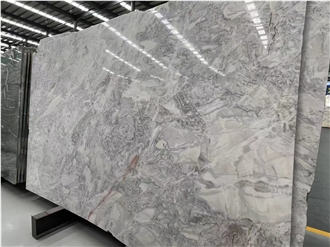
Atlantic Platinum Marble

Marble

Turkey

About

Item Details

Material Type:
Marble
Origin:
Turkey
Recommended Usage:
Kitchen and bathroom countertops, monuments, building stone, ornamental stone, stairs, interior, exterior wall and floor applications, mosaic, waterjet pattern, wall panels, table tops, window sills, wall and pool copings, pool pavers
Additional Names:
Atlantic Gray Marble, Platinum Gray Marble, Atlantic Grey Marble, Atlantic Platinum Grey Marble, in China stone market:大西洋灰(Dàxīyáng huī), Atlantic Platinum Marble
Finished Surface:
Polished,Bush Hammered,Tumbled,Brushed,Honed,Split,Machine Cut,Natural Surface,Sandblasted,Combed,Water Jet,Filled,Chiseled,Pickling

Description

Atlantic Platinum Marble is a captivating and luxurious natural stone known for its dark silver gray wavy background with occasional soft gray hues, white quartz speckles, and shades. Quarried in Turkey, this marble is celebrated for its distinctive features. Here's a description of Atlantic Platinum Marble:

Dark Silver Gray Wavy Background: The most prominent characteristic of Atlantic Platinum Marble is its dark silver gray wavy background. This dynamic and undulating pattern creates a sense of movement and visual interest within the stone, adding a touch of drama and sophistication to design projects.

Occasional Soft Gray Hues and White Quartz Speckles: Scattered across the polished surface of the marble are occasional soft gray hues and white quartz speckles. These variations and speckles appear as subtle accents, adding depth and character to the predominantly dark silver gray backdrop. The presence of white quartz speckles provides a striking contrast and a touch of sparkle.

Shades and Veining: The marble may also feature shades of soft gray and delicate veining patterns that meander gracefully across the surface. These shades and veining add to the stone's unique and artistic appeal.

Quarried in Turkey: Atlantic Platinum Marble is exclusively quarried in Turkey, a region renowned for its high-quality natural stone production. The geological conditions and natural processes in Turkey contribute to the formation of this remarkable stone.

Atlantic Platinum Marble is a favored material for various interior and exterior design applications, including flooring, wall cladding, countertops, and decorative elements. Its dark silver gray wavy background, occasional soft gray hues, white quartz speckles, and subtle veining patterns make it an ideal choice for creating spaces with a sense of luxury and visual allure.

FAQ

Does the surface of Atlantic Platinum Marble countertop scratch easily?

It is possible for the surface of Atlantic Platinum Marble countertop to scratch easily, as marble is a softer and more porous material compared to others like granite or quartz. It is important to use cutting boards and trivets to protect the surface and avoid placing heavy or sharp objects directly on the countertop. Regular sealing and proper maintenance can also help prevent scratches and maintain the beauty of the marble surface.

Can glossy polished Atlantic Platinum Marble be used for swimming pool terrace?

It is generally not recommended to use marble for a swimming pool terrace, as it can be slippery when wet and prone to staining, especially with the use of chlorine and other pool chemicals. It is better to use a non-slip and durable material such as porcelain or natural stone that is specifically designed for outdoor use near a pool.

How can I remove mold from Atlantic Platinum Marble wall tiles?

To remove mold from Atlantic Platinum Marble wall tiles, you can follow these steps: 1. Create a cleaning solution by mixing equal parts water and white vinegar or bleach in a spray bottle. You can also use a commercial mold and mildew cleaner. 2. Spray the cleaning solution onto the affected areas of the marble tiles and let it sit for a few minutes to penetrate the mold. 3. Scrub the moldy areas with a soft-bristled brush or sponge, focusing on removing the mold from the grout lines and natural fissures in the marble. 4. Rinse the tiles thoroughly with warm water to remove the cleaning solution and any remaining mold residue. 5. Dry the tiles with a clean towel or cloth to prevent new mold from forming. 6. If the mold persists, you can try using a paste made of baking soda and water to scrub the affected areas. Let the paste sit on the tiles for a few hours before rinsing it off with warm water. 7. To prevent mold from returning, regularly clean and dry the marble tiles, ensure proper ventilation in the bathroom, and fix any leaks or moisture issues that may be contributing to mold growth.

Does Atlantic Platinum Marble bathroom wall mosaic tiles need to be sealed?

It is recommended to seal Atlantic Platinum Marble bathroom wall mosaic tiles to protect them from water damage, stains, and other forms of wear and tear. Sealing the tiles can also enhance their natural color and shine, making them look more aesthetically pleasing. It is important to follow the manufacturers instructions for sealing the tiles properly and regularly to maintain their beauty and durability.

How can I clean Atlantic Platinum Marble mosaic tiles?

To clean Atlantic Platinum Marble mosaic tiles, you will need to be gentle and use mild cleaning products to avoid damaging the surface of the tiles. Here are some steps to follow: 1. Start by sweeping or vacuuming the tiles to remove any loose dirt and debris. 2. Mix a few drops of mild dish soap with warm water in a bucket or a spray bottle. 3. Use a soft cloth or sponge to apply the soapy water to the tiles, working in small sections at a time. 4. Gently scrub the tiles with the cloth or sponge, focusing on any areas with stains or buildup. 5. Rinse the tiles thoroughly with clean water to remove any soap residue. 6. Dry the tiles with a clean, soft cloth to prevent water spots and streaks. 7. For tougher stains or grime, you can also use a pH-neutral stone cleaner specifically designed for marble surfaces. Follow the instructions on the cleaners label and test it in a small, inconspicuous area first to ensure it does not damage the tiles. 8. Avoid using harsh chemicals, abrasive cleaners, or scrubbing pads on marble tiles, as these can scratch or etch the surface. 9. To maintain the shine and beauty of the marble tiles, you can also periodically seal them with a marble sealer to protect them from stains and moisture. By following these steps and using gentle cleaning products, you can effectively clean and maintain your Atlantic Platinum Marble mosaic tiles.

How can I clean the grout of Atlantic Platinum Marble tumbled finish wall tiles?

To clean the grout of Atlantic Platinum Marble tumbled finish wall tiles, you can follow these steps: 1. Start by sweeping or vacuuming the tiles to remove any loose dirt or debris. 2. Mix a solution of warm water and mild dish soap or a gentle pH-neutral cleaner. Avoid using harsh chemicals or abrasive cleaners as they can damage the marble tiles. 3. Apply the cleaning solution to the grout lines using a soft-bristled brush or a sponge. Scrub the grout gently in a circular motion to remove dirt and grime. 4. For stubborn stains or mold/mildew growth, you can make a paste of baking soda and water and apply it to the affected grout lines. Let it sit for a few minutes before scrubbing with a brush. 5. Rinse the grout lines thoroughly with clean water to remove any residue from the cleaning solution. 6. Dry the grout lines with a clean towel or cloth to prevent water stains or mold growth. 7. For ongoing maintenance, you can use a grout sealer to protect the grout from staining and make it easier to clean in the future. By regularly cleaning and maintaining the grout of your Atlantic Platinum Marble tumbled finish wall tiles, you can keep them looking beautiful and ensure their longevity.

I have a Atlantic Platinum Marble countertop with a vein that looks broken. Should I glue it?

If the vein in your Atlantic Platinum Marble countertop looks broken, it is not recommended to glue it yourself. Marble is a delicate and porous material that requires special care and expertise when it comes to repairs. It is best to consult with a professional marble repair specialist who can assess the damage and provide the appropriate solution for restoring the appearance of your countertop. Attempting to glue the broken vein yourself could potentially lead to further damage and compromise the integrity of the marble.

Can 2cm thickness Atlantic Platinum Marble be used for kitchen countertop?

Yes, a 2cm thickness Atlantic Platinum Marble can be used for a kitchen countertop. However, it is recommended to use a thicker marble slab (typically 3cm) for kitchen countertops to ensure durability and long-lasting performance. Thicker slabs are less likely to crack or chip and can better withstand the wear and tear of everyday kitchen use.

How can I repair the scratched surface of the Atlantic Platinum Marble steps?

Repairing scratched marble steps can be a delicate process, but it is possible to do it yourself with the right materials and techniques. Here are the steps you can take to repair the scratched surface of Atlantic Platinum Marble steps: 1. Clean the surface: Start by thoroughly cleaning the scratched area with a damp cloth and a mild detergent. This will remove any dirt, grime, or residue that might be covering the scratches. 2. Sand the scratch: Use a fine-grit sandpaper or a diamond hand pad to gently sand down the scratched area. Be careful not to apply too much pressure, as this can cause further damage to the marble. 3. Polish the surface: Once the scratch has been sanded down, you can use a marble polishing powder or compound to buff out the remaining imperfections. Apply the polish to the scratched area and use a soft cloth or buffing pad to rub it in a circular motion until the scratch is no longer visible. 4. Seal the surface: To protect your marble steps from future scratches and damage, apply a marble sealer to the repaired area. Follow the manufacturers instructions for application and allow the sealer to dry completely before using the steps. By following these steps, you should be able to effectively repair the scratched surface of your Atlantic Platinum Marble steps and restore them to their original beauty.

Is Atlantic Platinum Marble with a glossy polished surface good for house flooring?

Yes, Atlantic Platinum Marble with a glossy polished surface can be a good option for house flooring. It is a luxurious and elegant choice that can add a touch of sophistication to any room. The glossy polished surface reflects light, making the space feel brighter and more spacious. However, it is important to note that marble is a softer stone compared to other materials, so it may be more prone to scratching and staining. Regular maintenance and cleaning will be necessary to keep it looking its best.

Products & Prices

Hot Marble

New Marble

Post Your Request

The request includes:
  1. surface finished, size
  2. quantity required