Post Your Needs

Aurora Blue Pardais Marble

Grey - Marble

Portugal

About

Item Details

Material Type:
Marble
Origin:
Portugal (Pardais, Vila Viçosa, Évora)
Primary Color(s):
Grey
Recommended Usage:
kitchen and bathroom countertops, stairs, building stone, ornamental stone, interior, exterior wall and floor applications, mosaic, waterjet pattern
Additional Names:
Aurora Blue, Aurora Blue Marble, Blue Lagoa Marble, Azul Pardais Marble, Ruivina Azul Lagoa Marble, Mármore Azul Lagoa, Magic Blue Marble, Azul Lagoa Marble, Azul Escuro Marble, Azul Claro Marble, Rosa Aurora Blue Marble, Tiger Skin Marble, Aurora Blue, Aurora Blue Pardais Marble
Finished Surface:
Polished,Bush Hammered,Tumbled,Brushed,Honed,Split,Machine Cut,Natural Surface,Sandblasted,Acid Washing,Combed,Leathered,Water Jet,Filled,Chiseled,Pickling

Testing

Water Absorption:
0.11 %
Density:
2710 kg/m³
Flexural Strength:
119 kg/cm2
Compressive Strength:
750 - 810 kg/cm2
Stone texture:
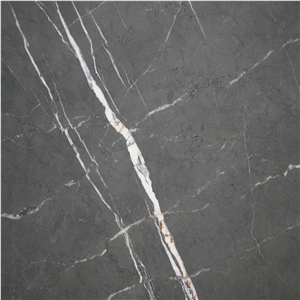
sophisticated blue and gray color palette that blends soft azure, dove gray, and deeper steel‑blue tones across the surface. The stone typically features a flowing linear to swirled veining pattern, where bands of varying hues of blue are interlaced with lighter gray and creamy‑white streaks, creating a dynamic, cloud‑like appearance that evokes the subtle movement of a twilight sky. This interplay of color produces a striking visual depth, with the lighter veins and patches enhancing the contrast against the predominant bluish‑gray background. In terms of texture, Aurora Blue Marble has a fine to medium crystalline grain, resulting in a smooth, reflective surface when polished that highlights the stone’s natural luster and patterns.

Description

Aurora Blue Pardais Marble(Aurora Blue Marble) is a sophisticated and visually captivating natural stone, featuring a unique blend of blue and gray hues. It is renowned for its flowing linear to swirled veining patterns that consist of soft azure, dove gray, and deeper steel‑blue tones. These bands of color are interwoven with lighter gray and creamy-white streaks, creating a dynamic, cloud‑like appearance reminiscent of a twilight sky. This interplay of colors offers substantial visual depth, accentuated by lighter veins and patches that enhance contrast against the predominantly bluish‑gray background. The stone is quarried in Pardais, Vila Viçosa, Évora, Portugal.

Physical and Mechanical Properties

  • Water Absorption: 0.11%
  • Density: 2710 kg/m³
  • Flexural Strength: 119 kg/cm²
  • Compressive Strength: 750 - 810 kg/cm²
  • Hardness: Medium, typical of marble
  • Porosity: Low, contributing to its durability
  • Slip Resistance: Moderate; additional treatment may be required for high-traffic areas

Chemical and Mineral Composition (% by Weight)

  • Calcium Carbonate (CaCO3): Typically high in marble, around 90-98%
  • Silica (SiO2): Trace amounts, contributing to the crystalline structure
  • Iron Oxides (Fe2O3): Trace amounts, responsible for some of the color variations
  • Magnesium Carbonate (MgCO3): Usually present in smaller percentages

Usage

  • Interior Applications: Floor tiles, wall cladding, countertops, bathroom vanities, fireplaces
  • Exterior Applications: Facades, building exteriors, garden paths (with proper treatment)
  • Decorative Elements: Table tops, artistic installations, feature walls

Maintenance

  • Regular Cleaning: Use pH-neutral cleaners; avoid acidic or abrasive substances
  • Sealing: Periodic sealing recommended to protect against stains and enhance longevity
  • Avoid Urgent Repairs: Use appropriate marble-compatible repair kits for scratches or chips

Common Surface Finish Options

  • Polished: Glossy finish that highlights the stone's colors and veining patterns
  • Honed: Smooth, matte finish for a more subdued look
  • Brushed: Slightly textured finish, providing an aged or weathered appearance
  • Sandblasted: Rough, non-slip surface ideal for outdoor applications

Aurora Blue Marble, with its ethereal beauty and robust characteristics, offers a versatile solution for a wide array of architectural and design applications. The meticulous maintenance and careful selection of finishes can further enhance its aesthetic and functional properties, making it a timeless choice.

Test Result:

  • Flexural Strength: 132 kg/cm²
  • Compressive Strength: 627 kg/cm²
  • Bulk Density (Volumetric Weight): 2,870 kg/m³
  • Water Absorption: 0.039%
  • Apparent Porosity: 0.111%
  • Coefficient of Linear Thermal Expansion: 3.55 × 10⁻⁶ /°C
  • Impact Resistance (Minimum Drop Height): 47 cm

FAQ

Is Aurora Blue Pardais Marble marble translucent or suitable for backlighting?

Aurora Blue Pardais Marble is known for its unique coloration and striking patterns, but it is generally not considered to be translucent like onyx or alabaster, which are popularly used for backlighting. However, some marble varieties do have sections that are thin enough to allow some light to pass through, creating a subtle effect. To determine whether your specific slab of Aurora Blue Pardais Marble is suitable for backlighting, its best to consult with your supplier or test a sample piece with a light source.

Which common finishes are available for Aurora Blue Pardais Marble marble?

Aurora Blue Pardais Marble is a beautiful and distinctive type of marble that can be finished in several ways to achieve different aesthetic and functional results. Common finishes for this type of marble include: 1. **Polished Finish**: This finish is glossy and reflective, enhancing the color and pattern of the marble. It gives a luxurious and smooth surface, ideal for indoor use on countertops, walls, and floors. 2. **Honed Finish**: A honed finish provides a matte or satin look with a smooth surface that is less reflective. It offers a more understated elegance and is often used in areas where slip resistance might be a concern, such as floors or bathrooms. 3. **Leathered Finish**: This finish gives the marble a soft sheen and textured feel, offering a rustic appearance. It is achieved by brushing the surface and is used in applications like countertops to add character and depth. 4. **Brushed Finish**: Similar to the leathered finish, a brushed finish involves texturing the surface to achieve a more aged or worn appearance. It provides a subtle texture and can be used for both aesthetic and practical reasons. 5. **Sandblasted Finish**: This finish is achieved by blasting the surface with sand or another abrasive to create a rough texture. It is often used for exterior applications or where a more slip-resistant surface is desired. 6. **Tumbled Finish**: Tumbling the marble results in a weathered, aged appearance with rounded edges and a slightly textured surface. This finish is popular for creating a classic, timeless look. The choice of finish depends on the desired appearance, the application, and the level of maintenance the user is willing to undertake. Each finish offers different benefits and aesthetics suited to various design styles and functional needs.

How should calcitic Aurora Blue Pardais Marble be cleaned and maintained?

Maintaining and cleaning calcitic Aurora Blue Pardais marble involves regular care and attention to prevent damage and preserve its appearance. Here are some important steps and tips for its maintenance: 1. **Regular Dusting**: Use a soft cloth or a microfiber duster to remove dust and debris from the surface. This should be done frequently to prevent scratches from dust particles. 2. **Immediate Spill Management**: Clean up any spills immediately to prevent staining. Use a soft cloth or paper towel to blot (not wipe) the spill, particularly if it involves acidic substances like wine, vinegar, or citrus, which can etch marble. 3. **Gentle Cleaning Solution**: Use a pH-neutral, non-abrasive cleaner specifically designed for marble. Avoid acidic or alkaline cleaners, as they can damage the stone. You can also use a simple solution of mild dish soap and water. Apply with a soft cloth or sponge, and avoid scrubbing. 4. **Rinsing**: After cleaning with a soap solution, rinse the surface with clean water to remove any residue, and dry it with a soft towel to avoid water spots. 5. **Sealing**: Marble is porous, so it benefits from sealing to protect against stains and etching. Depending on the usage and location (e.g., kitchen, bathroom), seal the marble every 6 to 12 months with a suitable marble sealant. Follow the manufacturer’s instructions regarding application and curing time. 6. **Scratch Prevention**: Use mats or trivets under heavy kitchenware, and avoid dragging items across the surface. Use coasters under glasses and ensure that items placed on the marble have a soft base. 7. **Regular Inspection**: Periodically check the marble for signs of damage, such as scratches, dull spots, or etching. Early detection helps in addressing issues before they become serious. 8. **Avoiding Harsh Substances**: Do not use vinegar, bleach, ammonia, or any other harsh chemicals and abrasives. Avoid abrasive pads or rough sponges which can scratch and dull the surface. 9. **Professional Care**: For severe stains or scratches, consider hiring professional marble restoration services. They can perform polishing and deep cleaning to restore marble to its original state. By following these guidelines, the aesthetic appeal and integrity of calcitic Aurora Blue Pardais marble can be maintained effectively.

Can Aurora Blue Pardais Marble marble be used outdoors?

Yes, Aurora Blue Pardais Marble can be used outdoors. However, it is important to ensure that it is properly sealed and maintained to withstand outdoor conditions. Marble is a natural stone and, while it is durable, it can be susceptible to weathering, staining, and erosion over time. Regular sealing and cleaning can help protect the marble and maintain its appearance when used in outdoor settings.

Is calcitic Aurora Blue Pardais Marble suitable for kitchen countertops?

Calcitic Aurora Blue Pardais Marble, like many marbles, can be used for kitchen countertops, but there are several factors to consider before making a decision: 1. **Porosity**: Marble is a porous stone, which means it can absorb liquids and be prone to staining. This is particularly important in a kitchen setting where spills and stains are common. 2. **Etching**: Marble can be susceptible to etching from acidic substances like lemon juice, vinegar, and certain cleaners. These substances can dull the surface and create marks over time. 3. **Durability**: While marble is a durable stone, it is softer than granite or engineered stone, making it more prone to scratches and chips. 4. **Maintenance**: Marble countertops require regular sealing to help protect against stains and damage. They also require diligent cleaning with pH-neutral cleaners to prevent etching and staining. 5. **Aesthetic Appeal**: Aurora Blue Pardais Marble has a unique and luxurious appearance, which can add a stunning visual element to a kitchen. Consider if its aesthetic value is worth the additional care and maintenance. If you are committed to using this type of marble in your kitchen due to its beauty, and youre willing to adhere to a regular maintenance routine, it can certainly be used. However, if low maintenance and high durability are priorities, you might want to consider other materials like quartz or granite.

What is the difference between calcitic Aurora Blue Pardais Marble and dolomitic marble?

Calcitic Aurora Blue Pardais Marble and dolomitic marble are both types of natural stone used in construction and decoration, but they have distinct differences due to their mineral compositions. 1. **Composition**: - **Calcitic Aurora Blue Pardais Marble**: This type is primarily composed of calcite, which is a crystalline form of calcium carbonate (CaCO?). Calcitic marbles are typically softer and can be more easily scratched or etched by acidic substances. - **Dolomitic Marble**: Dolomitic marble contains a significant amount of dolomite (calcium magnesium carbonate, CaMg(CO?)?) in addition to calcite. The presence of magnesium gives it slightly different properties compared to calcitic marbles. 2. **Hardness**: - **Calcitic Auroras Blue Pardais Marble**: Generally softer due to its predominantly calcite composition. It typically has a Mohs hardness of about 3. - **Dolomitic Marble**: Usually harder and more resistant to scratching compared to calcitic marble, thanks to the inclusion of dolomite, which slightly increases its hardness. 3. **Acid Sensitivity**: - **Calcitic Aurora Blue Pardais Marble**: More sensitive to acids, including common household substances like vinegar or lemon juice, causing etching and damage. - **Dolomitic Marble**: Offers better resistance to acids compared to calcitic marble, but it can still be affected if exposed for prolonged periods. 4. **Visual Characteristics**: - **Calcitic Aurora Blue Pardais Marble**: Often prized for its unique color variations and patterns, which can feature striking blue tones and veining. - **Dolomitic Marble**: While also visually appealing, may have different color patterns depending on the specific stone, often featuring subtler or more muted tones compared to some calcitic marbles. 5. **Usage and Applications**: - **Calcitic Aurora Blue Pardais Marble**: Given its aesthetic appeal, it is often used in applications where visual impact is key, such as in decorative surfaces, flooring, and wall cladding. - **Dolomitic Marble**: Due to its enhanced durability, it might be chosen for surfaces that experience more wear, such as countertops and flooring, where resistance to scratching and mild acids is beneficial. When choosing between these types of marble, the decision often hinges on the specific needs of the project in terms of aesthetics, durability, and maintenance.

What is the coefficient of friction of Chiseled Portugal's Aurora Blue Marble tiles?

The coefficient of friction of Chiseled Portugals Aurora Blue Marble tiles may vary depending on various factors such as surface finish, texture, and treatment. It is recommended to refer to the manufacturer or suppliers specifications or contact them directly to inquire about the specific coefficient of friction for the particular marble tiles you are referring to.

Can Portugal's Aurora Blue Marble be used in landscaping?

Yes, Portugals Aurora Blue Marble can indeed be used in landscaping. It is a type of marble that exhibits a beautiful blue coloration with white veining, making it visually striking and unique. Its aesthetic appeal can add an elegant and sophisticated touch to any landscaping project. Aurora Blue Marble can be used for various landscaping purposes such as: 1. Pathways and Walkways: The unique coloration and veining of this marble can be used to create eye-catching and visually pleasing pathways and walkways in gardens or outdoor spaces. 2. Patios and Outdoor Seating Areas: Aurora Blue Marble can be used to create stunning patio areas or outdoor seating spaces. Its distinctive blue color can add a touch of opulence and elegance to the overall landscape design. 3. Water Features: The captivating blue color and natural patterns of this marble make it a suitable choice for water features like fountains or decorative pools. It can enhance the visual appeal of these elements and create an aura of tranquility. 4. Decorative Borders or Edging: Aurora Blue Marble can also be used as decorative borders or edging around garden beds, flower borders, or other landscape features. Its distinctive color can act as an attractive frame, accentuating the surrounding plants and creating a polished look. 5. Retaining Walls or Cladding: The durable nature of marble makes Aurora Blue Marble suitable as cladding for retaining walls or other vertical structures. Its unique color can create a striking contrast against the surrounding landscape and provide a luxurious aesthetic. Its worth noting that marble is a natural stone and can be susceptible to staining or damage from weathering over time. Proper sealing, maintenance, and consideration of the specific climate conditions in the landscaping area are essential to ensure the long-term durability and appearance of the marble.

Can Portugal's Aurora Blue Marble be used in a office?

Yes, the Portugals Aurora Blue Marble can be used in an office. It can make for a beautiful and luxurious countertop or flooring option, and can add a touch of elegance to any workspace. However, it is important to note that natural stone like marble will require regular maintenance to keep it looking its best.

Hot Grey Marble

New Marble

Post Your Request

The request includes:
  1. surface finished, size
  2. quantity required