Post Your Needs

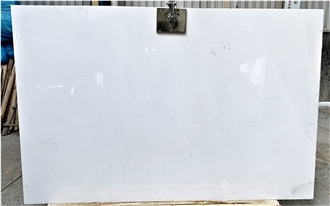
Aurora Grigia Marble

White - Marble

Mexico

About

Item Details

Material Type:
Marble
Origin:
Mexico
Primary Color(s):
White
Recommended Usage:
kitchen and bathroom countertops, stairs, building stone, ornamental stone, interior, exterior wall applications, mosaic, waterjet pattern
Additional Names:
Aurora Grigio Marble, Aurora Grey Marble, Aurora White Marble, Aurora Grigia Marble
Finished Surface:
Polished,Bush Hammered,Tumbled,Brushed,Honed,Split,Machine Cut,Natural Surface,Sandblasted,Acid Washing,Combed,Leathered,Water Jet,Filled,Chiseled,Pickling

FAQ

How can I clean the grout of Aurora Grigia Marble wall tiles?

Cleaning the grout of Aurora Grigia Marble wall tiles requires a careful approach to ensure that the marble and grout are not damaged. Here’s a step-by-step guide: 1. **Gather Materials:** - pH-neutral stone cleaner or a mild dish soap - Soft-bristle brush or toothbrush - Microfiber cloths or sponges - Warm water - Sealant (optional, for after cleaning) 2. **Prepare the Area:** - Protect any areas that might be sensitive to cleaning, such as nearby wooden trim or flooring, using painter’s tape. - Ventilate the room if possible. 3. **Initial Cleaning:** - Wipe down the tiles and grout with a damp microfiber cloth to remove surface dirt and dust. 4. **Create Cleaning Solution:** - Mix a pH-neutral stone cleaner with water, following the product’s instructions. Alternatively, you can use a mixture of warm water and a few drops of mild dish soap. 5. **Apply the Solution:** - Dip the soft-bristle brush or toothbrush into the cleaning solution. - Gently scrub the grout lines, being careful to avoid excessive scrubbing on the marble itself to prevent scratching. 6. **Rinse:** - Wipe away the cleaning solution with a clean, damp microfiber cloth or sponge. You may need to rinse the cloth frequently in clean water to ensure all detergent residue is removed. 7. **Dry:** - Use a dry microfiber cloth to remove any moisture from the tiles and grout. 8. **Inspect and Repeat:** - Check the grout for any remaining stains. Repeat the cleaning process as necessary for stubborn stains. 9. **Seal the Grout:** - Once completely dry, consider applying a grout sealant to help protect against future stains. Make sure its compatible with marble surfaces to avoid damage. 10. **Regular Maintenance:** - Regularly clean the tiles and grout to prevent buildup. Use only pH-neutral cleaners appropriate for natural stone to prevent any damage to the marble. By carefully following these steps, you can keep the grout and Aurora Grigia Marble tiles looking their best without causing damage.

I have a Aurora Grigia Marble tabletop with a vein that looks broken. Should I glue it?

When dealing with a broken vein on a marble tabletop, its essential to approach the repair carefully to maintain both the aesthetics and structural integrity of the piece. Heres what you can consider: 1. **Assessment:** First, evaluate the extent of the damage. Is it a superficial crack or does it affect the structural integrity of the marble? If its merely cosmetic, the repair process will be different compared to a structural fix. 2. **Cleaning:** Before any repair, ensure the area is clean. Use a mild, pH-neutral cleaner to remove any dust, dirt, or oils that could prevent the adhesive from bonding properly. 3. **Choosing the Right Adhesive:** For marble repairs, an epoxy adhesive is commonly recommended. Epoxy resins provide a strong bond and can be tinted to match the marbles color if necessary. Avoid using superglue or other non-specialized glues as they might not provide the necessary strength or might discolor over time. 4. **Application:** If you decide to proceed with gluing, carefully apply the epoxy along the crack or broken vein. Use a small brush or applicator for precision. Its important not to over-apply the adhesive, as it may be difficult to clean excess that seeps out. 5. **Aligning and Clamping:** Align the broken pieces or sides of the vein as closely as possible, and secure them in place using clamps. Be cautious with the pressure applied to avoid further damage. 6. **Curing and Finishing:** Give the adhesive sufficient time to cure completely as recommended by the product instructions. Once set, you may need to gently sand the repaired area to ensure the surface is flush. Finally, polish the area to restore the tabletops shine. 7. **Professional Help:** If youre uncertain about performing the repair yourself or if the tabletop has significant damage, it may be best to consult a professional marble restorer. They have the skills and tools to ensure a seamless repair. Keep in mind that marble is a natural material and any repair may still leave a minor visible mark compared to its original appearance.

My Aurora Grigia Marble bathroom countertop has turned yellow; how can I restore it to its original color?

Restoring an Aurora Grigia Marble countertop that has turned yellow involves a few steps to identify the cause and carefully remove the discoloration. Here’s how you can approach this: 1. **Identify the Cause:** - **Organic Stains:** Check if the yellowing is due to organic substances such as oils, coffee, or other natural materials. - **Oxidation:** If your marble has been exposed to water or high humidity for a long time, iron deposits within the stone might oxidize, causing yellowing. - **Improper Sealers or Waxes:** Using incorrect cleaning products or sealers can create a yellow film on the surface. - **Aging or UV Exposure:** Some marbles might yellow over time due to prolonged exposure to sunlight. 2. **Cleaning the Surface:** - Start by cleaning the surface with a pH-neutral stone cleaner to remove any superficial dirt or residue. - Avoid using acidic or abrasive cleaning agents, which can damage marble. 3. **Poultice Application:** - Create a poultice using a mixture of baking soda and water or a commercial marble poultice powder. - Apply the paste over the yellowed areas, cover with plastic wrap, and let it sit for 24-48 hours. - Remove the poultice and rinse the area with water. 4. **Oxidation Treatment:** - If oxidation is suspected, try using a poultice formulated for iron stain removal. 5. **Professional Polishing:** - If home remedies do not work, consider hiring a professional to polish and restore the marble. Professionals have the equipment and expertise to safely remove deeper stains. 6. **Sealing:** - Once cleaned, consider applying a high-quality stone sealer to protect against future staining. - Ensure the sealer is suitable for marble and does not discolor the stone. 7. **Routine Maintenance:** - Regularly clean the countertop with a damp cloth and a stone-specific cleaner. - Immediately wipe up spills to prevent staining. If you are unsure about any step, it may be best to consult a stone care professional to prevent potential damage to your countertop.

The hot pan left a mark on my Aurora Grigia Marble kitchen countertop—how can I clean it?

Cleaning a burn mark from a marble countertop, like Aurora Grigia, requires a gentle approach to avoid damaging the stone. Here’s a method you can follow to minimize the mark: 1. **Cool the Area:** First, ensure that the area is completely cool before attempting any cleaning. 2. **Wipe with a Soft Cloth:** Use a soft, damp cloth to wipe off any loose residues. 3. **Make a Poultice:** - Mix a paste of baking soda and water. For more stubborn marks, you can use hydrogen peroxide instead of water, but test on a small area first to ensure it doesnt cause discoloration. - Apply the paste over the mark, covering it completely. - Cover the paste with plastic wrap and tape down the edges to keep it moist. - Leave it for 24 hours to allow the paste to absorb the stain. 4. **Remove the Poultice:** - Carefully remove the plastic wrap and gently wipe off the poultice with a damp cloth. - Rinse with clean water and dry the surface with a soft towel. 5. **Check the Results:** If the mark is still visible, you may need to repeat the process. 6. **Buff the Area:** Once the mark is gone, buff the area with a soft, dry cloth to restore some of the shine. 7. **Apply Marble Sealer (Optional):** If the surface has lost its shine or you wish to provide extra protection, consider applying a marble sealer. Follow the manufacturers instructions. For significant damage or stains that do not respond to cleaning, consult a professional marble restoration expert. Always make sure to test cleaning solutions on a small, inconspicuous area first to ensure there is no adverse reaction.

If red wine spills on a Aurora Grigia Marble kitchen countertop, will it damage the surface?

Aurora Grigia Marble is a natural stone and, like many other types of marble, is porous and susceptible to staining. Red wine, with its strong pigmentation and acidity, can potentially stain or etch a marble surface if not cleaned up promptly. To minimize the risk of damage, its crucial to wipe up spills immediately with a soft, absorbent cloth. Avoid rubbing the spill, as this may spread the liquid and possibly force it deeper into the stone. After blotting the spill, you can clean the area with a mild pH-neutral cleaner or a mixture of warm water and a little dish soap. Rinse the surface thoroughly with water and dry it with a clean cloth to prevent any residue from remaining on the marble. For long-term protection, consider sealing your marble countertop regularly with a suitable marble sealer, as this can help reduce porosity and make the surface more resistant to stains. However, even with sealing, prompt cleaning of spills is still the best practice to prevent damage.

Can I use bleach when cleaning a Aurora Grigia Marble kitchen countertop?

Using bleach on Aurora Grigia Marble kitchen countertops is not recommended. Marble is a natural stone that is sensitive to acidic and alkaline substances, and bleach can cause etching or discoloration. Instead, clean marble countertops with a pH-neutral cleaner specifically designed for natural stone, or use a mild dish soap mixed with water. Make sure to rinse thoroughly and dry the surface with a soft cloth to avoid water spots and streaks. Additionally, regularly sealing the marble can help protect it from stains and damage.

Can Mexico's Aurora Grigia Marble be used in a bathroom?

Yes, Mexicos Aurora Grigia marble can be used in a bathroom. Marble is a popular choice for bathroom countertops, flooring, and shower walls due to its natural beauty and durability. However, as with any natural stone, it is essential to properly seal and maintain the marble to prevent staining and damage from prolonged exposure to water and moisture. Regular cleaning and sealing can ensure that the marble retains its appearance and remains in good condition in a bathroom setting.

Can Mexico's Aurora Grigia Marble be used exterior applications in hot climates?

Aurora Grigia Marble is a natural stone known for its beauty and durability. While it can be used for exterior applications, its suitability for hot climates depends on several factors. Marble, including Aurora Grigia, is generally not recommended for direct and prolonged exposure to extreme heat and weathering conditions. Hot climates can cause marble to fade, yellow, or develop cracks due to thermal expansion and contraction. However, if properly sealed and maintained, Aurora Grigia Marble can withstand occasional exposure to hot climates. It is important to ensure that the marble is treated with a high-quality sealer that provides protection against UV rays, heat, and moisture. Regular cleaning and maintenance also help to prolong the lifespan and appearance of the marble. For exterior applications in hot climates, it is advisable to consult with a professional stone supplier or installer who can provide specific recommendations based on the climate and intended use. They can advise on the best marble selection and provide guidance on sealing and maintenance procedures to ensure the longevity and beauty of the marble in such conditions.

Can Mexico's Aurora Grigia Marble be used in landscaping?

Yes, Mexicos Aurora Grigia Marble can be used in landscaping. With its gray and black tones, it can be used to create striking and modern designs in outdoor spaces. It can be used for pathways, steps, patios, or as decorative elements in garden beds and borders. Its natural veining and patterning can add visual interest and elegance to a landscaped area. However, it is important to note that marble is a porous material and may require regular sealing to protect it from staining and weathering in an outdoor environment.

Customer reviews

Customer reviews

Write a Review
Joh**** Mexico

Where is this Manufactured and can I have contact information

Helpful (0) 0Reply

Products & Prices

Hot White Marble

New Marble

Post Your Request

The request includes:
  1. surface finished, size
  2. quantity required