Post Your Needs

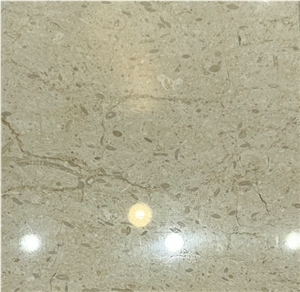
Austin Beige Marble

Marble

Turkey

About

Item Details

Material Type:
Marble
Origin:
Turkey
Recommended Usage:
Kitchen and bathroom countertops, wash basins, building stone, ornamental stone, stairs, interior, exterior wall and floor applications, mosaic, waterjet pattern, wall panels, table tops, balustrades, columns, wall and pool copings, pool pavers, fireplaces
Additional Names:
in China stone market: 奥斯汀米黄(Àosītīng Mǐhuáng)
Finished Surface:
Polished,Bush Hammered,Tumbled,Brushed,Honed,Split,Machine Cut,Natural Surface,Sandblasted,Combed,Leathered,Water Jet,Filled,Chiseled,Pickling

Testing

Water Absorption:
0.3 – 0.6 %
Density:
2680 – 2710 kg/m³
Flexural Strength:
10 – 14 MPa
Compressive Strength:
90 – 130 MPa

Description

Austin Beige Marble is a refined natural stone characterized by a warm, light beige background gently accented with subtle dark speckles and soft, delicate veining. Quarried in Turkey, this marble offers a calm, uniform appearance that blends seamlessly with both classic and contemporary design styles, making it a versatile choice for residential and commercial projects.

Texture & Pattern

  • Texture: Fine- to medium-grained crystalline marble with a compact, smooth structure. When polished, it achieves a soft reflective sheen; honed and brushed finishes provide a matte, contemporary feel.
  • Pattern: Light, scattered darker mineral speckles combined with faint, cloud-like veining. Overall pattern is balanced and consistent, ideal for large surfaces and continuous layouts.
  • Color variation: Minimal and elegant, ensuring visual harmony across slabs and tiles.

Physical & Mechanical Properties (typical values)

Bulk Density: 2680 – 2710 kg/m³

Water Absorption: 0.3 – 0.6 %

Flexural Strength: 10 – 14 MPa

Compressive Strength: 90 – 130 MPa

Abrasion Resistance (Böhme, typical): 18 – 22 mm

Mohs Hardness: approx. 3.0 – 3.5

* Values are typical for Turkish beige marbles; certified laboratory test reports are available upon request.

Chemical Composition (% by weight – typical)

  • Calcium Carbonate (CaCO₃ – Calcite): 95 – 98 %
  • Magnesium Carbonate (MgCO₃): 0.5 – 2.0 %
  • Silicon Dioxide (SiO₂): 0.3 – 1.5 %
  • Iron Oxide (Fe₂O₃): 0.05 – 0.5 % (responsible for speckles and tonal warmth)
  • Aluminum Oxide (Al₂O₃): 0.05 – 0.5 %
  • Other trace minerals: < 0.5 %

Mineral Composition

  • Calcite: dominant mineral
  • Minor dolomite
  • Trace quartz and iron-bearing minerals, creating subtle speckling

Applications / Usage

  • Interior flooring and wall cladding
  • Bathroom vanity tops, walls, and shower surrounds
  • Kitchen countertops and islands (sealed and properly maintained)
  • Staircases, steps, and landings
  • Fireplaces, columns, and decorative architectural elements
  • Residential, hospitality, office, and retail interiors

Maintenance & Care

Seal surfaces with a high-quality impregnating sealer before use and reseal periodically. Clean with pH-neutral marble cleaners or mild soap and water. Avoid acidic or abrasive cleaners that may cause etching. Wipe spills immediately, especially acidic substances such as wine or citrus juices. Use felt pads and mats to protect floors from scratching.

FAQ

How to remove scratches from Austin Beige Marble floor tiles?

Removing scratches from Austin Beige Marble floor tiles requires careful handling to maintain the marbles appearance. Here’s a step-by-step guide on how to address minor scratches at home: 1. **Clean the Area**: - Start by cleaning the scratched area thoroughly to ensure there’s no dirt or debris that could cause further scratching. Use a mild, pH-neutral stone cleaner or a solution of warm water and a few drops of dish soap. - Rinse the area with clean water and dry it with a soft cloth. 2. **Buff the Surface**: - Use a soft, damp cloth to gently buff the scratched area. For light scratches, this might help to make them less visible. 3. **Apply Marble Polishing Powder**: - Purchase a marble polishing powder specifically designed for light scratch removal. Follow the manufacturer’s instructions. - Typically, you would sprinkle the powder over the scratched area and then use a damp cloth or a buffer to rub the powder into the scratch in a circular motion. - Be gentle and patient, as this process might need to be repeated several times. 4. **Use Steel Wool for Deeper Scratches**: - If the scratch is deeper, gently use 0000-grade (super fine) steel wool to rub the scratch lightly. Always use the steel wool with caution and apply gentle pressure; excessive force could damage the marble further. - After rubbing, clean the area again to remove any remnants of the steel wool or marble dust. 5. **Polish the Marble**: - After addressing the scratch, polish the area using a marble polish or a stone restoration cream. Apply the polish according to the instructions using a soft cloth. 6. **Seal the Marble**: - If necessary, apply a marble sealant to protect the surface from future scratches and stains. Follow the sealants instructions for the best results. 7. **Consider Professional Help**: - If the scratch is particularly deep or if youre uncertain about any steps, you may want to consult a professional marble restoration specialist. **Tips**: - Always avoid using acidic or abrasive cleaners on marble as they can cause damage. - Regular maintenance, such as dusting and promptly cleaning up spills, will help prevent scratches. Regular care and gentle handling of marble can ensure it remains beautiful over the years.

Are sandblasted finish Austin Beige Marble floor tiles easily stained?

Sandblasted finish Austin Beige Marble floor tiles can be more susceptible to staining compared to polished marble due to their textured surface. The sandblasting process creates a more porous finish, which means that liquids and other staining agents can penetrate more easily into the stone if not properly sealed. To minimize the risk of staining, its important to apply a high-quality sealer regularly and clean spills immediately. Regular maintenance and cleaning with pH-neutral cleaners designed for natural stone can also help maintain the appearance and durability of the marble tiles. It’s always a good idea to follow the manufacturers care instructions or consult with a stone care professional for specific recommendations.

Is polished Austin Beige Marble good for commercial building floors?

Polished Austin Beige Marble can be a good choice for commercial building floors, but there are several factors to consider: 1. **Aesthetic Appeal**: Austin Beige Marble is known for its sophisticated and elegant appearance. Its neutral tones can complement various interior design styles, making it suitable for commercial spaces that require a luxurious and timeless look. 2. **Durability**: Marble is a relatively soft stone compared to other natural stones like granite. While it can withstand moderate use, in high-traffic areas, marble might wear out more quickly. This could result in scratches and a loss of polish over time if not properly maintained. 3. **Maintenance**: Marble requires regular maintenance to maintain its polished finish, including sealing, cleaning, and polishing. For high-traffic commercial areas, this can mean more frequent attention compared to other more durable surfaces like porcelain or granite. 4. **Cost**: Marble can be more expensive than other flooring materials both in terms of initial costs and the ongoing maintenance it requires. Budget considerations should account for both purchase and long-term care. 5. **Slippage**: Polished marble has a smooth and glossy surface which can be slippery, particularly when wet. In a commercial setting, especially if the area is exposed to moisture or spills, this could present a safety hazard. 6. **Staining**: Marble is porous, and although sealing helps, it is still susceptible to staining from spills of oils, wine, coffee, etc. In a commercial setting where exposure to various materials and substances is common, this can be a concern. 7. **Environmental Considerations**: Depending on the sustainability goals of the commercial building, its essential to consider how the marble is sourced and the potential environmental impact. In summary, while polished Austin Beige Marble can offer a luxurious and attractive flooring option, its suitability will depend on the specific context of the commercial building, including traffic levels, maintenance capabilities, and safety considerations. If durability, low maintenance, and slip resistance are top priorities, you might want to explore other materials or finishes that better meet these needs.

What is the best way to clean Austin Beige Marble floor tiles?

Cleaning Austin Beige Marble floor tiles requires special care due to the porous and delicate nature of marble. Here is a step-by-step guide to keep your marble tiles looking their best: 1. **Dust and Debris Removal**: - Use a soft broom or a dry, dust mop to remove loose dirt and dust. Avoid using a vacuum cleaner with a beater bar, as it could scratch the surface. 2. **Gentle Cleaning Solution**: - Mix warm water with a few drops of a pH-neutral, non-abrasive cleaner specifically designed for marble. Avoid acidic or alkaline cleaners, as well as those containing vinegar or bleach, which can damage the marble. 3. **Mopping**: - Use a soft microfiber mop or a soft cloth to apply the cleaning solution to the floor. Do not soak the floor; wring out the mop or cloth so it is damp and not wet. 4. **Stain Treatment**: - For stains, prepare a poultice by mixing the marble cleaner with a powdered absorbent material like baking soda. Apply it to the stain, cover with plastic wrap, and leave for 24-48 hours before gently rinsing and wiping clean. 5. **Rinsing**: - After mopping, rinse the floor with clean, warm water to remove any cleaning solution residue. Use a fresh mop or cloth for this step. 6. **Drying**: - Immediately dry the floor with a soft towel or dry mop to prevent water spots and streaks. 7. **Regular Maintenance**: - Use rugs or mats in high-traffic areas to protect the marble. - Clean spills immediately to prevent staining and etching. 8. **Sealing (Optional but Recommended)**: - Consider applying a penetrating sealer every 6-12 months to protect the marble from stains and etching. Follow the manufacturer’s instructions for application. By following these steps, you can effectively maintain and preserve the beauty of your Austin Beige Marble floor tiles.

How to make Austin Beige Marble stairs not slippery?

Making Austin Beige Marble stairs less slippery involves several strategies: 1. **Non-Slip Treatments:** - **Anti-Slip Coatings:** Apply a specially formulated anti-slip coating to the marble surface. These coatings are often clear and can be applied like a sealer to provide a grippy finish. - **Etching Products:** Use an anti-slip etching product designed specifically for stone surfaces. These products create microscopic grooves on the surface, increasing traction. 2. **Rugs or Carpets:** - **Non-Slip Stair Treads:** Install non-slip, adhesive-backed stair treads. These are available in various materials and designs and can be placed directly on each step. - **Carpet Runners:** Install a fitted carpet runner down the middle of the stairs, ensuring it is secured with non-slip backing or grippers to prevent movement. 3. **Improving Traction:** - **Rubber Backing:** Use rubber-backed mats or treads that adhere to the surface of the step without slipping. - **Non-Slip Tape:** Apply non-slip adhesive tapes to the edges of each step. These tapes come in various widths and can be color-matched to your marble. 4. **Regular Cleaning and Maintenance:** - **Keep Dry:** Regularly clean and dry the stairs to remove any substances that may increase slipperiness, such as dust, water, or debris. - **Frequent Cleaning:** Marble floors can become slippery due to oils or grime buildup. Clean the stairs regularly using a pH-neutral cleaner designed for stone. 5. **Lighting:** - Enhance the lighting around your stairs to ensure they are well-lit, reducing the likelihood of slipping due to poor visibility. 6. **Professional Services:** - Consult with a stone care professional who can suggest and possibly apply specialized non-slip treatments for your marble stairs. When applying any treatment, always test on a small, inconspicuous area first to ensure that it does not damage the marble or alter its appearance undesirably.

Is 2cm thickness Austin Beige Marble good for commercial stairs?

Using 2cm thick Austin Beige Marble for commercial stairs can be a good choice, but there are several factors to consider to ensure it is suitable for your specific application: 1. **Durability**: Marble is a relatively soft natural stone compared to granite or quartzite, and can be more prone to scratching and etching. In commercial settings with heavy foot traffic, consider whether the marble can withstand the expected wear and tear. 2. **Slip Resistance**: Polished marble can be slippery, especially when wet, which is a concern for stairs. To improve safety, you might need to consider a honed finish, grooved surface, or additional treatments to enhance slip resistance. 3. **Maintenance**: Marble requires regular maintenance to keep its appearance. It may need sealing and periodic cleaning with appropriate products to prevent staining and etching, which could be more labor-intensive in a commercial setting. 4. **Structural Support**: Ensure that the underlying structure of the stairs can support the weight of marble, which is heavy. Consultation with a structural engineer might be necessary. 5. **Aesthetics**: Austin Beige Marble can add elegance and sophistication, which might enhance the visual appeal of your commercial space. 6. **Budget**: Consider the cost of the material, installation, and ongoing maintenance in your budget planning. It’s advisable to consult with a professional architect or interior designer familiar with commercial applications to ensure this material aligns with your functional and aesthetic requirements.

Does Austin Beige Marble allow water to pass through?

Austin Beige Marble, like most natural stones, is not completely impervious to water. Marble is a porous material, which means it can absorb water to some extent. However, it is not typically described as allowing water to pass through in the same way as highly porous materials like certain types of sandstone or limestone. To minimize water absorption and prevent potential damage like staining or etching, marble surfaces are usually sealed with a penetrating sealer. Regular sealing can help protect the marble by creating a barrier that reduces its porosity and helps prevent water from seeping in. If you are considering using Austin Beige Marble in a location where it may be exposed to water, such as a bathroom or kitchen, proper sealing and maintenance are important to preserve its appearance and integrity.

Products & Prices

Hot Marble

New Marble

Post Your Request

The request includes:
  1. surface finished, size
  2. quantity required