Post Your Needs

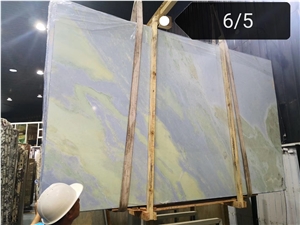
Azul Lagoa Marble

Blue - Marble

Portugal

About

Item Details

Material Type:
Marble
Origin:
Portugal (Pardais, Vila Viçosa, Évora)
Primary Color(s):
Blue
Recommended Usage:
Kitchen and bathroom countertops, wash basins, building stone, ornamental stone, stairs, interior, exterior wall and floor applications, mosaic, waterjet pattern, wall panels, table tops, balustrades, columns, wall and pool copings, pool pavers, sculptures, fireplaces, window sills
Additional Names:
Blue Lagoa Marble, Azul Pardais Marble, Ruivina Azul Lagoa Marble, Mármore Azul Lagoa, Magic Blue Marble Marble, Azul Escuro Marble, Azul Claro Marble, Rosa Aurora Blue Marble, Azul Lagoa, Azul Lagoa Marble
Finished Surface:
Polished,Bush Hammered,Tumbled,Brushed,Honed,Split,Machine Cut,Natural Surface,Sandblasted,Acid Washing,Combed,Leathered,Water Jet,Filled,Chiseled,Pickling

Testing

Water Absorption:
0.11 %
Density:
2710 kg/m³
Flexural Strength:
119 kg/cm2
Compressive Strength:
750 - 810 kg/cm2
Stone texture:
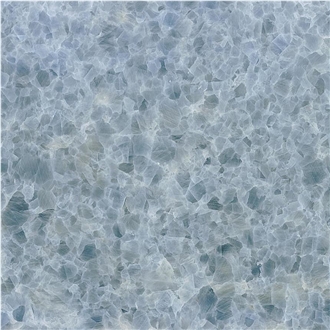
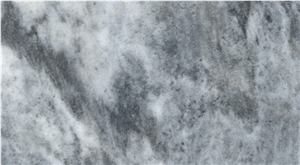
distinguished by its elegant light sky blue‑gray to deep lagoon‑blue background interwoven with dynamic, soft white and lighter gray veining. The stone’s surface typically showcases flowing linear veins and cloud‑like patterns, where lighter streaks and patches contrast against the cool blue base, creating visual depth and a sense of natural movement reminiscent of tranquil water surfaces. Some slabs may also display subtle beige or cream accents that enrich the overall palette. In terms of texture, Azul Lagoa has a fine‑ to medium‑grained crystalline structure composed of tightly interlocked calcite crystals typical of marble, producing a smooth and reflective surface when polished.

Description

Azul Lagoa Marble is a distinguished and sought-after natural stone that offers a captivating aesthetic with its unique color palette and luxurious appeal. Derived from quarries in Pardais, Vila Viçosa, Évora, Portugal, Azul Lagoa Marble is renowned for its exceptional beauty and is commonly used in high-end architectural projects and interior designs. Below are comprehensive descriptions and characteristics of Azul Lagoa Marble:

Physical Properties:

  • Color: Light sky blue-gray to deep lagoon-blue with dynamic soft white and lighter gray veining, sometimes accented by subtle beige or cream tones.
  • Texture: Fine- to medium-grained crystalline structure, providing a smooth and reflective surface when polished.
  • Veining and Patterns: Flowing linear veins and cloud-like patterns enhancing visual depth and motion.

Mechanical Properties:

  • Water Absorption: 0.11%
  • Density: 2710 kg/m³
  • Flexural Strength: 119 kg/cm²
  • Compressive Strength: 750 - 810 kg/cm²
  • Hardness: Moderate (characteristic of marble)
  • Porosity: Low, contributing to its durability
  • Slip Resistance: Varies with finish; typically lower when polished

Chemical and Mineral Composition:

  • Calcium Carbonate (CaCO₃): Predominant component, typical of marble
  • Magnesium Carbonate (MgCO₃): Present in trace amounts
  • Silica (SiO₂) and Alumina (Al₂O₃): Present in minor proportions
  • Iron Oxide (Fe₂O₃): Provides subtle beige or cream accents

Usage:

  • Interior Applications: Ideal for floors, walls, countertops, vanity tops, and backsplashes
  • Exterior Applications: Suitable for cladding and facades, though susceptibility to weathering should be considered
  • Artistic Applications: Often used in sculptures and decorative objects due to its workability

Maintenance:

  • Cleaning: Requires regular sealing to protect against staining; clean with pH-neutral cleaners
  • Durability: Needs protection from acidic substances and abrasive materials
  • Repair: Professional restoration recommended for scratches and etching

Common Surface Finish Options:

  • Polished: Highly reflective surface enhancing the stone’s color and veining
  • Honed: Smooth, matte finish providing a more understated look
  • Brushed: Slightly textured finish, offering a rustic charm
  • Leathered: Softly textured with a tactile feel, offering a modern aesthetic

Azul Lagoa Marble is highly prized for its visual appeal and versatility, making it a popular choice among architects and designers seeking an elegant and timeless stone solution. Its unique blue tones and striking veining patterns offer a sense of tranquility reminiscent of serene water surfaces while its adaptability across various applications underscores its value in both contemporary and classic design settings. Proper maintenance will ensure its beauty and integrity are preserved over time.

Test Result:

  • Flexural Strength: 132 kg/cm²
  • Compressive Strength: 627 kg/cm²
  • Bulk Density: 2870 kg/m³
  • Water Absorption: 0.039 %
  • Apparent Porosity: 0.111 %
  • Linear Thermal Expansion Coefficient: 3.55 × 10⁻³ mm/°C
  • Impact Resistance: 47 cm

FAQ

Is Azul Lagoa Marble marble translucent or suitable for backlighting?

Azul Lagoa Marble is generally not known for being highly translucent like some other types of marble, such as onyx, which are often used for backlighting. The translucency of marble can vary depending on the specific characteristics and thickness of the slab. Azul Lagoa Marble tends to have a more solid appearance with its distinctive blue and gray tones. If backlighting is a critical feature for your project, it would be advisable to consult with a stone supplier or specialist who can provide samples or more specific information about the particular slab youre interested in.
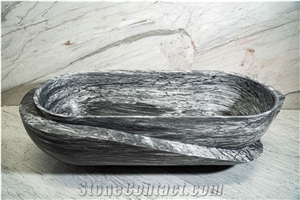
Which common finishes are available for Azul Lagoa Marble marble?

Azul Lagoa Marble, like many natural stones, is available in a variety of finishes that enhance its appearance and adapt it to different aesthetic and functional applications. Some of the common finishes for Azul Lagoa Marble include: 1. **Polished Finish**: This finish is highly reflective and glossy, bringing out the vibrant colors and intricate patterns of the marble. Its ideal for interior applications like countertops, walls, and decorative features. 2. **Honed Finish**: A honed finish gives the marble a smooth, matte surface with little to no gloss. It offers a more subtle look, making it suitable for flooring and areas where a less slippery surface is desirable. 3. **Brushed Finish**: This finish provides a textured, slightly worn appearance. It creates a more rustic and antique look, which can be appealing in both traditional and contemporary designs. 4. **Leathered Finish**: Also known as a river-washed finish, this option results in a soft, textured surface with a slight sheen. Its popular for countertops and tabletops, as it tends to hide fingerprints and smudges better than a polished surface. 5. **Tumbled Finish**: This finish gives the marble a weathered, antiqued look by slightly rounding and softening its edges. Its often used for smaller tiles, creating a rustic or old-world charm. 6. **Sandblasted Finish**: By blasting the surface with sand or other abrasive materials, this finish produces a rough texture that can enhance slip resistance. Its suitable for outdoor spaces or areas that might get wet. Choosing the right finish for Azul Lagoa Marble depends on both aesthetic preferences and practical considerations, such as the intended use of the marble and the level of maintenance youre willing to commit to.

How should calcitic Azul Lagoa Marble be cleaned and maintained?

Calcitic Azul Lagoa Marble, like other natural stones, requires regular cleaning and maintenance to preserve its beauty and integrity. Here are some guidelines for cleaning and maintaining this type of marble: 1. **Regular Cleaning:** - **Dust and Sweep:** Regularly dust and sweep the marble surface with a soft, dry cloth or a microfiber mop to remove dirt and debris that can scratch the surface. - **Damp Mop:** Use a damp mop with warm water for daily cleaning. Avoid excessive water as the marble can absorb it, leading to damage. - **pH-Neutral Cleaners:** Use a pH-neutral cleaner specifically designed for natural stone. Avoid acidic or alkaline cleaners, which can etch or dull the marbles surface. 2. **Stain Removal:** - **Act Quickly:** Blot any spills immediately with a soft cloth or paper towel. Avoid wiping, as this can spread the stain. - **Specialized Stain Removers:** Use poultices or specialized stain removers designed for marble for persistent stains, following the manufacturers instructions carefully. 3. **Sealing:** - **Regular Sealing:** Seal the marble regularly, typically every 6 to 12 months, depending on the porosity of the stone and its exposure to moisture. A good sealer helps prevent staining and etching from everyday use. - **Sealer Selection:** Use a high-quality impregnating sealer designed for calcitic marble. Follow the product instructions for application and curing time. 4. **Preventive Measures:** - **Use Coasters and Trivets:** Protect the marble from liquids and heat by using coasters under glasses and trivets under hot dishes. - **Use Rugs and Mats:** Place rugs or mats in high-traffic areas to reduce wear and protect against dirt and grit. - **Furniture Pads:** Use felt pads under furniture legs to prevent scratching. 5. **Avoid Harsh Chemicals:** - **Avoid Acidic Products:** Avoid using products containing vinegar, lemon juice, or other acids, as these can etch and damage marble. - **Avoid Abrasive Cleaners:** Do not use abrasive pads or scouring powders, which can scratch the surface. 6. **Professional Care:** - **Periodic Professional Cleaning:** Enlist the services of a professional stone care expert for deep cleaning, polishing, and restoration if the marble becomes dull or heavily stained. By following these guidelines, you can maintain the beauty and longevity of Calcitic Azul Lagoa Marble. Remember that regular care is key to keeping it looking its best.

Can Azul Lagoa Marble marble be used outdoors?

Yes, Azul Lagoa Marble can be used outdoors. However, there are a few factors to consider. Marble, in general, is a natural stone that can be affected by weather conditions, especially in colder climates where freeze-thaw cycles can cause damage. Additionally, marble may be susceptible to staining and discoloration from exposure to harsh elements and pollutants. If you plan to use Azul Lagoa Marble outdoors, it is important to ensure it is properly sealed to protect against moisture and stains. Regular maintenance will also be necessary to preserve its appearance and integrity over time. Consulting with a stone professional or contractor about the specific conditions in your area and the best methods for installation and maintenance would be advisable.

Is calcitic Azul Lagoa Marble suitable for kitchen countertops?

Calcitic Azul Lagoa Marble is a beautiful and unique type of marble that features striking blue and gray tones, making it an attractive choice for various interior design applications. However, when considering it for kitchen countertops, there are several factors to keep in mind: 1. **Porosity**: Marble is a porous natural stone, meaning it can absorb liquids and is prone to staining if not sealed properly and regularly maintained. This is especially true for kitchen countertops, which are frequently exposed to liquids and food substances. 2. **Softness**: Marble, including calcitic varieties like Azul Lagoa, is softer compared to other natural stones like granite or engineered materials like quartz. This makes it more susceptible to scratching and etching, particularly from acidic substances such as lemon juice, vinegar, or tomato sauce. 3. **Maintenance**: Marble requires regular sealing to help protect it from stains and damage. It also requires careful cleaning using products designed for natural stone to prevent etching and surface damage. 4. **Aesthetic Considerations**: While Azul Lagoa Marble is visually striking, its important to ensure that its unique appearance complements the overall design of your kitchen. Its distinctive patterns and colors should blend well with your cabinets, flooring, and other design elements. If you are set on using Azul Lagoa Marble for your kitchen countertops, be prepared to commit to a diligent maintenance routine and handle the surfaces with care. Alternatively, you may consider using it in areas with less risk of exposure to liquids and acids, or as a backsplash or accent to minimize potential damage.

What is the difference between calcitic Azul Lagoa Marble and dolomitic marble?

Calcitic Azul Lagoa Marble and dolomitic marble are both types of metamorphic rocks commonly used in construction and decoration, but they have distinct differences primarily in their mineral composition: 1. **Calcitic Azul Lagoa Marble**: - **Composition**: This type of marble is primarily composed of calcite, a crystalline form of calcium carbonate (CaCO3). - **Appearance**: Azul Lagoa Marble is known for its bluish-grey hues, often with white veining, which gives it a distinct and attractive appearance. - **Properties**: Being calcitic, this marble is more prone to acid etching. It is less resistant to acidic substances and may require more careful maintenance when used in environments where it can come in contact with acids (like kitchen countertops). - **Origin**: This specific type of marble is typically quarried in specific regions where the geologic conditions favored its formation, contributing to its unique color and pattern. 2. **Dolomitic Marble**: - **Composition**: Dolomitic marble contains a significant amount of dolomite, a mineral composed of calcium magnesium carbonate (CaMg(CO3)2), in addition to calcite. - **Appearance**: While dolomitic marbles come in various colors and patterns, they can often appear similar to calcitic marbles. However, they generally contain more magnesium which can influence their color and structural properties. - **Properties**: Dolomitic marbles tend to be slightly more resistant to acid etching compared to calcitic marbles because of the presence of magnesium. However, they are still not immune to damage from acidic substances. - **Durability**: Dolomitic marble may often be considered a bit harder and slightly more resilient to scratches and wear than purely calcitic marbles. In summary, the primary difference between the two lies in their mineral composition, which affects their durability and resistance to certain types of damage. The choice between these marbles often comes down to the specific aesthetic desire and practical considerations based on the environment in which they will be used.

Can Portugal's Azul Lagoa Marble be used in landscaping?

Yes, Portugals Azul Lagoa Marble can be used in landscaping. This type of marble is known for its beautiful blue and gray tones, which can add a luxurious and elegant touch to outdoor spaces. It is often used for various landscaping elements such as pathways, walkways, patios, and even as cladding for walls or steps. The durability and low-maintenance nature of marble make it a popular choice for landscaping purposes. Azul Lagoa Marble is a dense and hard stone that can withstand different weather conditions, making it suitable for both residential and commercial landscaping projects. Additionally, the smooth and polished surface of this marble offers a sleek aesthetic that can enhance the overall design of a landscape. It can complement different styles, from modern and contemporary to traditional and timeless. Overall, Portugals Azul Lagoa Marble can be a stunning and versatile choice for landscaping, providing a sophisticated look to outdoor spaces.

Can Portugal's Azul Lagoa Marble be used exterior applications in very humid climates?

Portugals Azul Lagoa Marble can be used for exterior applications in very humid climates, but some considerations should be taken into account. Marble is a natural stone that is more porous and prone to water absorption compared to other materials like granite. In very humid climates, where there is a lot of moisture in the air, there is a higher chance of the marble absorbing water and developing stains or discoloration over time. To protect the Azul Lagoa Marble in humid climates, it is recommended to apply a sealant on the surface. The sealant will create a protective barrier that helps to prevent water absorption and staining. Regular reapplication of the sealant may be necessary to maintain its effectiveness. It is also important to note that repeated moisture exposure, especially in freeze-thaw cycles, can cause damage to the marble. Therefore, proper installation techniques and regular maintenance, such as cleaning and drying, are essential to ensure the longevity of the marble in such climates. Overall, while Portugals Azul Lagoa Marble can be used for exterior applications in very humid climates, it requires proper care and maintenance to protect it from water absorption and potential damage.

Can Portugal's Azul Lagoa Marble be used in a office?

Yes, Portugals Azul Lagoa Marble can be used in an office. It is a type of marble known for its beautiful blue color and can create an elegant and sophisticated look in an office space. Marble is a durable and long-lasting material, making it suitable for high-traffic areas like offices. It can be used as flooring, countertops, accent walls, or even in furniture pieces to add a touch of luxury to the office environment.

Can Portugal's Azul Lagoa Marble be used outdoors?

Yes, Portugals Azul Lagoa Marble can be used outdoors. Marble is a durable and versatile material that is commonly used outdoors in various applications such as walls, flooring, facades, and countertops. However, it is important to note that marble is a natural stone and can be susceptible to staining, erosion, and weathering over time when exposed to harsh outdoor conditions. To ensure the longevity and appearance of the Azul Lagoa Marble, it is recommended to properly seal the stone and perform regular maintenance.

Products & Prices

View More

Hot Blue Marble

New Marble

Post Your Request

The request includes:
  1. surface finished, size
  2. quantity required