Post Your Needs

Bao Po Grey Marble

Marble

Cambodia

About

Item Details

Material Type:
Marble
Origin:
Cambodia
Recommended Usage:
kitchen and bathroom countertop, wash basins, building stone, ornamental stone, stairs, interior, exterior wall and floor applications, mosaic, water-jet pattern, wall panels, table tops, balustrades, columns, wall and pool copings, pool pavers, sculptures, fireplaces, window sills
Additional Names:
Blancpain Grey Marble, Baopo Grey Marble, Baopan Grey Marble, in China stone market:宝珀灰(Bǎo Pān Huī)
Finished Surface:
Polished,Bush Hammered,Tumbled,Brushed,Honed,Split,Machine Cut,Sandblasted,Combed,Leathered,Water Jet,Chiseled,Pickling

Testing

Water Absorption:
0.3 - 0.6% by weight
Density:
2650 - 2700 kg/m³
Flexural Strength:
8 - 11 MPa
Compressive Strength:
80 - 100 MPa

Description

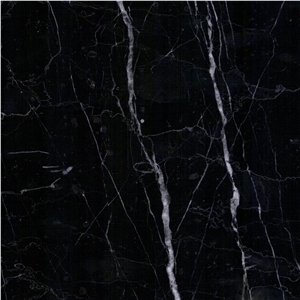
Bao Po Grey Marble is a natural grey marble quarried in Cambodia. It features a deep, earthy olive-grey background with a complex, organic appearance. Fossil-like circular formations, scattered dark pits, irregular light-grey and white calcite patches, and fine web-like white veins create a distinctive, richly detailed surface. Its high-gloss polished finish enhances the depth of the dark tones and highlights the contrast between the lighter mineral features and the darker matrix.

Texture & Structure

Bao Po Grey Marble displays a highly varied, mottled structure with irregular mineral inclusions and naturally occurring pits and cavities. Its texture ranges from relatively compact crystalline areas to sections with more pronounced fossil-like markings and mineral contrasts. Polishing produces a reflective surface that emphasizes the stone's natural depth and intricate details. Variations in pattern, color, and mineral distribution are expected between slabs.

Pattern & Veining

The defining pattern consists of fossil-like circular and oval formations scattered across an olive-grey matrix, accompanied by dark pits and irregular white to light-grey calcite patches. Fine, interconnected white veins form a delicate web-like network across the surface. The combination of organic markings and contrasting mineral features gives each slab a distinctive, almost antique appearance.

Technical Characteristics

Indicative reference values only — not verified laboratory results for Bao Po Grey Marble. Actual properties must be established through testing of representative samples.

  • Water Absorption: Approximately 0.3–0.6% by weight
  • Bulk Density: Approximately 2650–2700 kg/m³
  • Flexural Strength: Approximately 8–11 MPa
  • Compressive Strength: Approximately 80–100 MPa
  • Mohs Hardness: Approximately 3–4
  • Porosity: Not established; laboratory testing required

The natural pits and cavities may affect the stone's local porosity and mechanical performance. These values should not be published as certified test data without laboratory confirmation.

Chemical Composition (% by Weight)

The exact chemical composition of Bao Po Grey Marble has not been established. The following are broad illustrative ranges for carbonate marble and are not measured values for this specific material.

  • Calcium Oxide (CaO): Approximately 28–54%
  • Magnesium Oxide (MgO): Approximately 0–22%
  • Silicon Dioxide (SiO₂): Approximately 0.5–15%
  • Aluminum Oxide (Al₂O₃): Approximately 0–5%
  • Iron Oxide (Fe₂O₃): Approximately 0.1–5%
  • Loss on Ignition (LOI): Approximately 35–45%

Other Components: Minor amounts of potassium oxide, sodium oxide, manganese oxide, and trace elements.These ranges are general reference estimates. A representative chemical analysis is necessary to determine the actual composition.

Mineral Composition (% by Weight)

The precise mineral composition requires petrographic examination or X-ray diffraction analysis. The following are possible constituents of carbonate marble, not confirmed proportions for Bao Po Grey Marble.

  • Calcite: Approximately 50–95%
  • Dolomite: Approximately 0–35%
  • Quartz: Approximately 0–10%
  • Clay and Other Silicate Minerals: Trace to approximately 10%
  • Iron-Bearing and Other Accessory Minerals: Trace to approximately 5%

The white patches and veins may be calcite-rich, while the darker coloration may be associated with fine-grained accessory minerals or other inclusions. Their exact mineralogical origins remain unconfirmed.

Recommended Applications

Bao Po Grey Marble is suitable for interior wall cladding, decorative feature walls, hotel lobbies, reception areas, fireplace surrounds, bathroom vanity tops, and ornamental panels. Its intricate fossil-like patterns make it particularly attractive for statement interiors and projects requiring a distinctive natural-stone appearance.

It may also be considered for interior flooring and selected countertop applications, provided the stone's strength, porosity, surface condition, and finish are suitable for the intended use. Areas with pronounced pits or cavities should be carefully assessed before installation. Outdoor use and wet-area applications require additional evaluation of durability, water absorption, weather resistance, and slip resistance.

Usage & Maintenance

Clean Bao Po Grey Marble using a soft cloth or mop and a pH-neutral stone cleaner. Avoid acidic products, including vinegar, lemon juice, and acidic bathroom cleaners, as these can etch the marble and dull its polished finish. Do not use abrasive pads or harsh chemicals.

Because the stone may contain natural pits and cavities, inspect the surface carefully before installation. Where necessary, professionally applied resin or compatible stone filler can help improve surface consistency. A suitable penetrating sealer may reduce staining, although it will not make the marble completely stain-proof or acid-resistant.

Wipe spills promptly, particularly oils and colored liquids. Use protective pads beneath heavy objects and avoid dragging hard or sharp items across the surface. For bathrooms and other wet areas, ensure appropriate waterproofing and use a finish that provides adequate slip resistance. Follow professional recommendations for adhesive selection, grouting, sealing, and ongoing maintenance.

FAQ

Can Bao Po Grey Marble be installed on a floor with its natural pits exposed?

Bao Po Grey Marble, like many natural stones, can have natural pits and fissures as part of its appearance. Installing it with these natural pits exposed is possible, but there are some important considerations to take into account: 1. **Aesthetic Preferences:** Leaving pits exposed can give the floor a more rustic and natural look, which might be appealing for certain design styles. However, it might not provide the smooth, polished appearance some people desire. 2. **Durability and Maintenance:** Exposed pits can collect dirt and debris, making the floor harder to clean. Over time, this could affect the marbles appearance and require more frequent maintenance. 3. **Structural Integrity:** If the pits are too deep or numerous, they might impact the structural integrity of the marble tiles, making them more prone to cracking or chipping over time. 4. **Sealing:** To help protect the marble and make cleaning easier, its advisable to seal the stone. This will also enhance its resistance to stains and moisture. 5. **Application Type:** Consider where the marble is being installed. High-traffic areas may wear differently if the pits are exposed, compared to low-traffic areas. If you decide to go with this natural look, its crucial to work with a professional who can assess the quality of the marble and ensure that the installation is done correctly. They might also offer solutions such as filling larger pits with a suitable filler that blends with the stone for a more balanced approach between aesthetics and practicality.

How can soap residue be removed from the textured surface of Bao Po Grey Marble?

Removing soap residue from the textured surface of Bao Po Grey Marble—or any marble surface—requires gentle cleaning methods to avoid damaging the stone. Here are some steps to effectively clean and maintain the marble: 1. **Use a Mild Detergent:** - Mix a small amount of a pH-neutral detergent with warm water. Avoid acidic or abrasive cleaners, which can damage the marble. 2. **Soft Cloth or Sponge:** - Dip a microfiber cloth or soft sponge into the soapy solution and gently scrub the surface. 3. **Rinse Thoroughly:** - Use clean water and a separate cloth to rinse the marble thoroughly, ensuring all soap residue is washed away. 4. **Dry the Surface:** - Dry the marble with a clean, dry microfiber cloth to prevent water spots and further residue buildup. 5. **Repeat if Necessary:** - If residue persists, repeat the process. For stubborn spots, let the soapy water sit for a few minutes before wiping. 6. **Use a Poultice for Stubborn Stains:** - For more persistent stains or residue, a marble poultice can be made. Combine baking soda with water to form a thick paste, apply it to the affected area, and cover with plastic wrap. Let it sit for 24 hours, then rinse and dry. 7. **Regular Maintenance:** - To prevent residue buildup, regularly clean the surface with a soft cloth and pH-neutral cleaner. Avoid letting water or soap dry on the surface. By following these steps and maintaining regular care, you can preserve the beauty and longevity of Bao Po Grey Marble.

Is Bao Po Grey Marble suitable for a kitchen backsplash behind a stove?

Bao Po Grey Marble can be suitable for a kitchen backsplash behind a stove, but there are several considerations to keep in mind: 1. **Aesthetic Appeal**: The grey tones and natural veining of Bao Po Grey Marble can add a luxurious and elegant look to the kitchen. It can complement various kitchen styles, from modern to traditional. 2. **Heat Resistance**: Marble can handle the heat typically found behind a kitchen stove, but it’s always good to check with the supplier or manufacturer regarding the specific type of marble and its suitability. 3. **Porosity and Staining**: Marble is a porous material, making it susceptible to staining from oils, sauces, and other cooking ingredients. Regular sealing is essential to help protect the surface from staining. 4. **Maintenance**: Marble requires more maintenance than some other materials like ceramic or glass tiles. It needs to be sealed periodically and cleaned with pH-neutral cleaners to maintain its appearance. 5. **Durability**: While durable, marble can be scratched or etched by acids found in common kitchen items such as lemon juice or vinegar. Extra care is needed to avoid these issues. 6. **Cost**: Marble tends to be more expensive compared to other backsplash materials, which is something to consider when budgeting for your kitchen. Overall, if you’re prepared for the maintenance and care requirements, Bao Po Grey Marble can be a beautiful and heat-resistant choice for a kitchen backsplash behind a stove.

Should Bao Po Grey Marble be filled before polishing or installation?

Bao Po Grey Marble, like many natural stones, may have natural fissures, pores, or other imperfections that can benefit from being filled before polishing or installation. Filling these imperfections helps to ensure a smooth surface, improve the stones durability, and enhance its overall appearance. The process typically involves using a resin or epoxy filler that matches the color of the marble to fill any noticeable gaps or holes. Once filled, the surface can be polished to achieve the desired finish. Its always a good idea to consult with a professional stone installer or supplier to determine the specific needs of the Bao Po Grey Marble being used, as the decision to fill may depend on the specific slab and the intended application.

Are the natural pits and circular formations defects in Bao Po Grey Marble?

In Bao Po Grey Marble, natural pits, circular formations, and other similar features are generally not considered defects but rather characteristics that give the stone its unique appearance. Marble is a natural stone, and variations in color, veining, and texture are inherent to the material. These characteristics can add to the aesthetic appeal of the marble, as they highlight its natural origin. However, preferences can vary based on design goals and personal taste, so some people might prefer a more uniform appearance, while others appreciate the uniqueness that these natural features provide. If youre selecting marble for a specific project, its important to view samples and slabs to ensure they meet your desired aesthetic.

Can Bao Po Grey Marble be used as a statement wall in a luxury interior?

Yes, Bao Po Grey Marble can certainly be used as a statement wall in a luxury interior. Its sophisticated grey tones and natural veining patterns contribute to an elegant and timeless aesthetic, making it suitable for upscale design projects. When used correctly, it can create a stunning focal point that enhances the overall ambiance of a space. For the best effect, consider the following: 1. **Lighting**: Proper lighting can highlight the unique patterns and veins of the marble, enhancing its visual appeal. Consider using accent lighting such as wall washers or strategically placed spotlights. 2. **Complementary Materials**: Pair the marble with complementary materials, such as polished metals, warm woods, or other luxurious stones, to create a balanced look that emphasizes the marbles beauty. 3. **Minimalist Design**: To allow the marble to shine, opt for a minimalist design approach in the surrounding areas. This ensures the marble remains the focal point. 4. **Maintenance**: Marble requires regular maintenance to maintain its beauty, such as sealing and cleaning with appropriate products, which is essential in a luxury setting. By incorporating Bao Po Grey Marble as a statement wall, you can elevate the luxury and sophistication of an interior space.

Hot Marble

New Marble

Post Your Request

The request includes:
  1. surface finished, size
  2. quantity required