Post Your Needs

Bardiglio Carrara Marble

Grey - Marble

Italy

About

Item Details

Material Type:
Marble
Origin:
Italy (Seravezza, Stazzema, Provincia di Lucca, Toscana)
Primary Color(s):
Grey
Recommended Usage:
Kitchen and bathroom countertops, monuments, building stone, ornamental stone, stairs, interior, exterior wall and floor applications, mosaic, waterjet pattern, balustrades, fireplaces, columns, wall panels, table tops
Additional Names:
Bardiglio Carrara, Gray Bardiglio Marble, Grey Bardilla Marble, Bardiglietto Massa Marble, Bardiglietto Chiaro Marble, Marmi Carrara Bardiglietto, Bardiglio Gray Carrara Marble, Himalayan Gray Marble, in China stone market:意大利灰(Yìdàlì huī), Bardiglio Carrara Marble
Finished Surface:
Polished,Bush Hammered,Tumbled,Brushed,Honed,Split,Machine Cut,Natural Surface,Sandblasted,Acid Washing,Combed,Leathered,Water Jet,Filled,Chiseled,Pickling

Testing

Water Absorption:
0.12 By weight % - 0.27 By volume %
Density:
2700 Kg/m3
Flexural Strength:
12.80 MPa
Compressive Strength:
120.0 - 126.0 MPa

Description

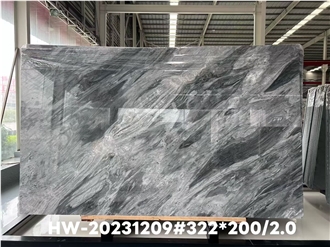
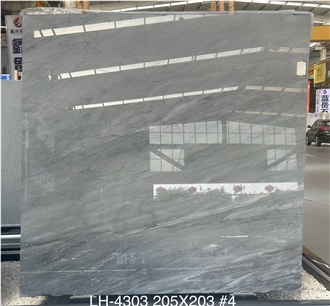
Bardiglio Carrara Marble is a stunning and distinctive natural stone that comes from the Carrara region in Italy, known for its renowned marble quarries. It is highly regarded for its unique coloration, intricate veining patterns, and its association with the prestigious Carrara marble tradition.

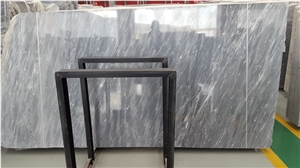
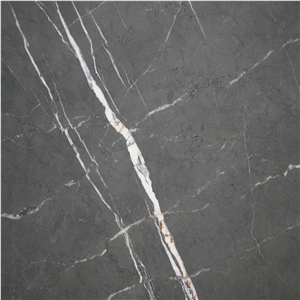
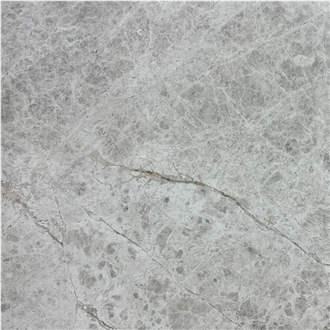
The primary characteristic of Bardiglio Carrara Marble is its rich gray color. It typically showcases a range of gray shades, from light to medium and dark grays. This color variation adds depth and complexity to the stone, creating a sense of elegance and sophistication. The gray tones of Bardiglio Carrara Marble can blend seamlessly with a variety of design styles, from classic to contemporary.

One of the most notable features of Bardiglio Carrara Marble is its intricate and beautiful veining patterns. These veins can vary in intensity, thickness, and direction, creating a natural work of art on the surface of the marble. The veins can be light gray, white, or even bluish-gray, adding visual interest and uniqueness to each slab.

Bardiglio Carrara Marble is highly regarded for its versatility and suitability for a wide range of applications. It is commonly used in interior design projects, including countertops, flooring, wall cladding, fireplace surrounds, and other decorative elements. Its timeless elegance and durability make it a popular choice for both residential and commercial spaces.

The quarrying process of Bardiglio Carrara Marble involves extracting large blocks of stone from the Carrara quarries. These blocks are then cut into slabs of varying thicknesses and sizes. The slabs are typically polished to reveal the marble's natural luster and enhance the beauty of its veining patterns.

It's important to note that, as with any natural stone, variations in color, veining, and patterns can occur from slab to slab. It is advisable to view and select the specific slabs intended for a project to ensure they meet the desired aesthetic preferences.

In summary, Bardiglio Carrara Marble is a distinctive natural stone with a range of gray shades and intricate veining patterns. Its timeless beauty, versatility, and association with the Carrara marble tradition make it a favored choice for various interior design applications. Whether used in classic or contemporary settings, Bardiglio Carrara Marble adds a touch of sophistication and luxury to any space.

Petrographic definition: Marble
Massa Unit Volume: 2700 kg/m3
Water Absorption: 0.12%
Breaking Load Compression Simple: 126 MPa
Compression breaking load after freezing: 120 MPa
Tensile indirectly by bending 12.8 MPa
Its coefficient of Abrasion (referred to Granite St. Fedelino): 0.28
Impact resistance: minimum fall height: 76 cm
Linear thermal expansion coefficient of 4.1 x 10⁻⁵ 0C-1
Knoop microhardness: 1109 MPa
Index unevenness of hardness: 1.09
Source: Università di Pisa - Politecnico di Torino

FAQ

What happens to Bardiglio Carrara Marble commercial floors if not sealed?

If Bardiglio Carrara Marble commercial floors are not sealed, they are more susceptible to stains, scratches, and damage from everyday wear and tear. The surface of the marble may become dull and discolored over time due to the absorption of liquids and oils. Additionally, without a sealant, the marble may be more prone to etching from acidic substances. Overall, not sealing Bardiglio Carrara Marble floors can lead to a shorter lifespan and a less attractive appearance.

How thick should a Bardiglio Carrara Marble stair step be?

Bardiglio Carrara marble is a type of Italian marble known for its beautiful grays and white veining. The thickness of a Bardiglio Carrara marble stair step can vary depending on the specific design and preference of the homeowner or designer. However, a typical thickness for a marble stair step is around 1 1/4 inches to 1 1/2 inches. Thicker marble stair steps, such as 2 inches or more, are also common for a more substantial and luxurious look. Ultimately, the thickness of the marble stair step should be chosen based on the overall aesthetic of the staircase and the structural requirements of the project.

What is the best cleaner for Bardiglio Carrara Marble fireplaces?

For Bardiglio Carrara Marble fireplaces, the best cleaner to use is a mild, pH-neutral soap or stone cleaner specifically formulated for marble. Avoid harsh chemicals, acidic cleaners, and abrasive scrubbing pads, as these can damage the marbles delicate surface. It is also recommended to use a soft cloth or sponge for cleaning, and to promptly wipe up any spills or stains to prevent them from setting into the marble.

Can Bardiglio Carrara Marble go around a gas fireplace?

Yes, Bardiglio Carrara Marble can be used around a gas fireplace as a surround or mantel. It is a durable and heat-resistant material that can withstand the high temperatures generated by a gas fireplace. Additionally, the elegant appearance of Bardiglio Carrara Marble can enhance the overall aesthetic of the fireplace area.

How to clean Bardiglio Carrara Marble countertops?

1. Start by wiping down the countertops with a damp cloth to remove any loose debris or dirt. 2. Mix a mild dish soap with warm water in a bucket or spray bottle. Use a soft sponge or cloth to gently scrub the countertops with the soapy water solution. 3. Rinse the countertops thoroughly with clean water to remove any soap residue. 4. For tougher stains or build-up, you can create a paste with baking soda and water and gently scrub the affected area with a soft brush or sponge. Rinse thoroughly after using the paste. 5. Dry the countertops with a clean, soft cloth to prevent water spots or streaks. 6. To maintain the shine and protect the marble, you can apply a marble sealer according to the manufacturers instructions. Make sure to reapply the sealer periodically to keep the countertops in good condition. 7. Avoid using harsh chemicals or abrasive cleaners on Bardiglio Carrara Marble as they can damage the surface. Stick to mild, natural cleaning solutions to ensure the longevity of your countertops.

Does lemon juice damage Bardiglio Carrara Marble countertop?

Lemon juice is acidic and can etch or damage marble surfaces, so it is not recommended to use lemon juice on Bardiglio Carrara Marble countertops. It is best to clean marble countertops with a mild soap and water solution to avoid any potential damage.

Is Bardiglio Carrara Marble backsplash the same thickness as countertop?

It is not always necessary for the Bardiglio Carrara Marble backsplash to be the same thickness as the countertop. The thickness of the backsplash can vary depending on personal preference and design aesthetics. Some homeowners may choose to have a thicker backsplash for added durability and visual impact, while others may prefer a thinner backsplash for a more streamlined look. Ultimately, the decision on the thickness of the backsplash should be based on the overall design vision for the space.

Can Bardiglio Carrara Marble countertop be scratched with a knife?

Bardiglio Carrara Marble is a durable and hard material, but it is still possible for it to be scratched with a knife or other sharp objects. It is always best to use a cutting board or other protective surface when cutting food or preparing meals on a marble countertop to prevent scratches or marks on the surface. Regular maintenance and sealing of the marble countertop can also help to protect it from scratches and other damage.

Is Bardiglio Carrara Marble better than wood for interior floors?

This ultimately depends on personal preference and the specific design aesthetic you are looking to achieve in your space. Bardiglio Carrara Marble is known for its elegant and sophisticated appearance, as well as its durability and easy maintenance. Wood, on the other hand, offers a warm and natural feel to a space and can add warmth and character to a room. Wood floors also have a timeless appeal and can be refinished or stained in a variety of colors to suit your style. In terms of durability and maintenance, Bardiglio Carrara Marble may be more stain-resistant and easier to clean compared to wood floors, which can be more prone to scratches and wear over time. Ultimately, both Bardiglio Carrara Marble and wood floors have their own unique benefits and drawbacks, so it is important to consider your personal preferences, lifestyle, and design goals when choosing between the two for your interior floors.

Products & Prices

View More

Hot Grey Marble

New Marble

Post Your Request

The request includes:
  1. surface finished, size
  2. quantity required