Post Your Needs

Bernini Gray Marble

Marble

Italy

About

Item Details

Material Type:
Marble
Origin:
Italy (Apuan Alps, near Carrara)
Recommended Usage:
Kitchen and bathroom countertops, wash basins, building stone, ornamental stone, stairs, interior, exterior wall and floor applications, mosaic, waterjet pattern, wall panels, table tops, balustrades, columns, wall and pool copings, pool pavers, sculptures, fireplaces
Additional Names:
Bernini Grey Marble, in China stone market: 柏尼斯灰(Bǎinísī huī)
Finished Surface:
Polished,Bush Hammered,Tumbled,Brushed,Honed,Split,Machine Cut,Natural Surface,Sandblasted,Combed,Leathered,Water Jet,Filled,Chiseled,Pickling

Testing

Water Absorption:
~0.25% by weight
Density:
~2680–2720 kg/m³
Flexural Strength:
~14–17 MPa
Compressive Strength:
~110–130 MPa

Description

Quarried in the Apuan Alps near Carrara, Italy, Bernini Gray Marble is a premium natural stone renowned for its elegance and timeless beauty.

Appearance / Pattern / Texture

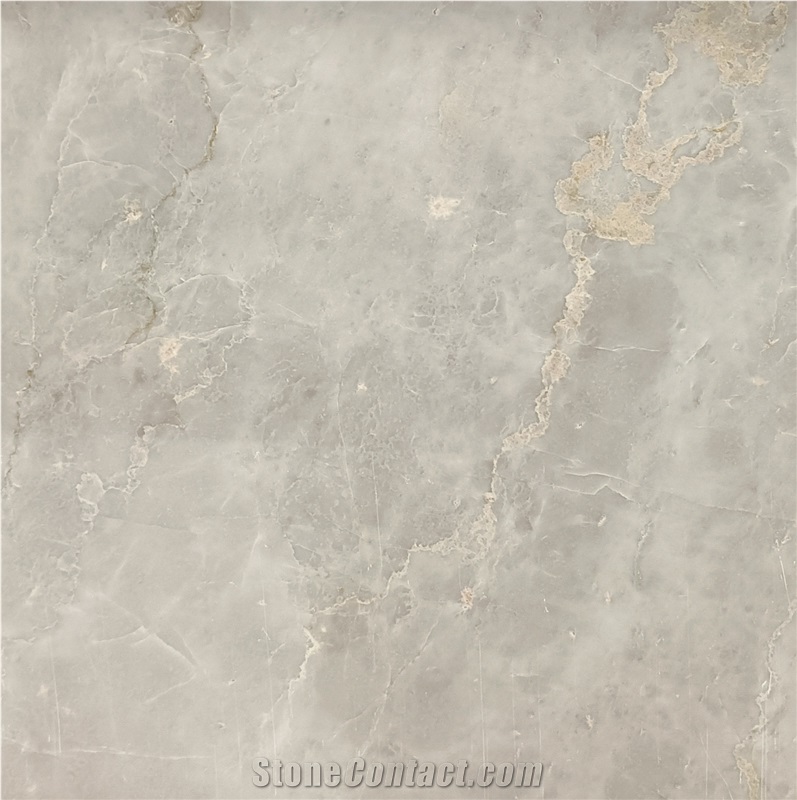
Base color: Cool gray base with uniform tone.

Veining: Striking white and golden yellow veins that flow across the slab, adding dynamic movement and depth.

Hue variation: Subtle lighter hues throughout, enhancing its refined and luxurious character.

Grain: Fine to medium grain texture, smooth and compact.

Pattern: Flowing linear or cloud-like veining patterns, each slab is unique.

Physical Properties (Typical Values)

  • Water absorption : ~0.25% by weight
  • Density : ~2,680–2,720 kg/m³
  • Compressive strength : ~110–130 MPa
  • Flexural strength : ~14–17 MPa
  • Mohs hardness : 3–4
  • Porosity : Low to medium

Chemical & Mineral Composition (% by weight)

  • CaCO₃ (Calcium carbonate)96–98%
  • SiO₂ (Silica)1–2%
  • Fe₂O₃ (Iron oxide)<0.5%
  • MgCO₃ (Magnesium carbonate)<0.5%
  • Other minerals (mica, quartz traces)<1%

Surface Finish Options

Polished (high gloss for luxurious look)

Honed (matte smooth finish)

Leathered (soft textured feel)

Sawn cut (raw cut surface)

Brushed

Sandblasted

Tumbled (antique appearance)

Common Cutting Sizes

Tiles:

  • 30×30 cm, 60×30 cm, 60×60 cm
  • 12″×12″, 24″×12″, 24″×24″

Slabs:

  • 2 cm, 3 cm thick (standard)
  • Slab dimensions up to 280×160 cm or custom sizes

Custom cut-to-size: Available for staircases, countertops, wall panels

Usage

  • Interior flooring & wall cladding
  • Bathrooms & vanity tops
  • Staircases & risers
  • Countertops (residential & light commercial)
  • Fireplace surrounds
  • Decorative stonework & furniture inserts

Maintenance

Clean with pH-neutral stone cleaners. Requires periodic sealing to protect against stains, especially on honed or matte surfaces. Avoid acidic substances to prevent etching.

FAQ

How can I give Bernini Gray Marble tiles an antique look?

Giving Bernini Gray Marble tiles an antique look involves a combination of physical and chemical techniques to create the appearance of age and patina. Here’s a step-by-step guide to achieve this: 1. **Safety Precautions**: Before starting, ensure you have appropriate safety gear like gloves, goggles, and a mask to protect yourself from dust and chemicals. 2. **Cleaning**: Thoroughly clean the tiles to remove any dirt or sealant. Use a mild soap and water solution, then rinse and let them dry completely. 3. **Acid Etching**: Use a diluted acid solution, such as muriatic acid (1 part acid to 10 parts water), to etch the surface. Apply the solution with a sponge or brush, and let it sit for a few minutes. This process opens up the pores of the marble, giving it an aged texture. Always work in a well-ventilated area, and rinse the area thoroughly with water after etching to neutralize the acid. 4. **Aging with Brushes**: Use a wire brush or coarse sandpaper to create small scratches and wear patterns on the marble. Focus on edges and corners for a more natural, worn look. This will mimic the wear from years of foot traffic. 5. **Staining**: Apply a stone stain or color enhancer to add depth and a slightly darker, richer tone to the tiles. You can use tea, coffee, or a commercial stone aging product to achieve the desired color. Apply with a soft cloth and allow it to penetrate the marble before wiping off any excess. 6. **Sealing**: After achieving the desired look, apply a penetrating sealer specifically designed for marble. This will protect the marble and enhance the antique appearance by giving it a soft sheen. Follow the instructions provided by the sealant manufacturer for the best results. 7. **Finishing Touches**: For extra authenticity, you can use tinted wax or polish to add highlights or shadows to specific areas, enhancing the overall aged appearance. 8. **Maintenance**: To maintain the antique look, regularly clean the marble with pH-neutral cleaners and avoid harsh chemicals that can strip away the aged effect. Remember, achieving an antique look is somewhat subjective, so you might need to experiment with these techniques to get the exact appearance you desire.

How can I restore the appearance of a Bernini Gray Marble tabletop to make it look new again?

Restoring a Bernini Gray Marble tabletop involves cleaning, polishing, and possibly sealing the surface to bring back its original luster. Here’s a step-by-step guide on how to do it: ### 1. Prepare the Area - **Clear the Tabletop:** Remove any items to provide a clear workspace. - **Protect Surrounding Areas:** Use painter’s tape to protect areas around the marble surface and place drop cloths on the floor to catch any drips or debris. ### 2. Clean the Surface - **Dust and Wipe:** Gently wipe the tabletop using a soft microfiber cloth to remove any dust or loose debris. - **Use a Marble Cleaner:** Apply a pH-neutral marble cleaner to the tabletop. Avoid acidic cleaners as they can damage the marble. Use a soft cloth or sponge to apply the cleaner and gently scrub any stains or spots. - **Rinse Thoroughly:** After cleaning, use a damp (not wet) cloth with water to rinse off any residue from the cleaner. ### 3. Remove Stains - **Make a Poultice:** For any stubborn stains, prepare a poultice using baking soda and water or a commercial marble stain remover. Apply the poultice over the stain, cover it with plastic wrap, and let it sit for 24-48 hours. Gently remove it with a plastic scraper, rinse the area with water, and let it dry. ### 4. Polish the Surface - **Apply Marble Polish:** Use a specific marble polish or polishing compound. Apply the polish in small sections following the manufacturer’s instructions. Use a soft cloth or an electric buffer for larger surfaces to evenly spread and buff the polish. - **Buff the Marble:** Using a dry, microfiber cloth or a clean buffing pad on an electric buffer, buff the marble until it shines. This should restore its natural gloss. ### 5. Seal the Marble (Optional but Recommended) - **Choose the Right Sealer:** Use a marble sealer suitable for Bernini Gray Marble. The sealer helps protect the marble from future stains and etching. - **Apply the Sealer:** Follow the instructions on the sealer’s packaging. Apply it evenly using a clean cloth or applicator, avoiding puddling. - **Wipe and Buff:** After allowing the sealer to penetrate for the recommended time, wipe off any excess and buff the surface to avoid leaving residue marks. ### 6. Maintain the Surface - **Regular Cleaning:** Clean regularly with a soft cloth and a pH-neutral cleaner. - **Avoid Harsh Chemicals:** Steer clear of using vinegar, bleach, or any acidic substances for cleaning. - **Use Coasters and Pads:** Always use coasters for drinks and trivets or mats for hot items to prevent damage. By following these steps, you can restore and maintain your Bernini Gray Marble tabletop, ensuring it looks new and extends its longevity.

Can 2cm thickness Bernini Gray Marble be used for stair steps?

Yes, 2cm thickness Bernini Gray Marble can be used for stair steps; however, several factors should be considered to ensure its suitability and durability: 1. **Structural Support**: Ensure that the underlying structure of the stairs is designed to support the marble. The structural support should accommodate the weight of the marble and any additional load from foot traffic. 2. **Strength and Durability**: Although marble is a strong material, you should confirm that 2cm thickness is adequate for the expected load. In some cases, a thicker slab (such as 3cm) might be recommended for high-traffic areas or stairs expected to carry heavy loads. 3. **Slip Resistance**: Marble can be slippery when polished, which is a safety concern for stairs. Consider using a honed finish or incorporating slip-resistant treatments or strips. 4. **Maintenance**: Marble requires regular maintenance to prevent staining and etching, especially on stair steps which are subject to frequent use. 5. **Aesthetic Consistency**: Ensure the marble is consistently colored and veined to maintain aesthetic appeal throughout the staircase. Consult with a professional installer or engineer to ensure that the marble is appropriately supported and safe for use in your specific application.

Is Bernini Gray Marble suitable to use for sculpturing?

Bernini Gray Marble can be suitable for sculpturing, depending on its specific properties such as grain size, hardness, and workability. When selecting marble for sculpture, artisans often look for stone that is relatively soft and has a fine, even grain, allowing for detailed work and a smooth finish. Bernini Gray Marble is known for its aesthetic appeal, with its subtle gray tones and veining, which can enhance the visual impact of a sculpture. However, the suitability for sculpting will also depend on the individual stones quality and consistency. Its essential to examine the specific block or piece of marble to ensure there are no significant flaws, such as cracks or inclusions, that could compromise the structural integrity of the sculpture. Consulting with a skilled sculptor or stone supplier can provide further insights into whether Bernini Gray Marble is appropriate for your specific project.

Does coffee stain the surface of Bernini Gray Marble?

Yes, coffee can stain the surface of Bernini Gray Marble. Marble is a porous natural stone, which makes it susceptible to staining from liquids like coffee, wine, and acidic substances. To prevent staining, it is important to clean up spills immediately and consider sealing the marble to provide an additional layer of protection. If a stain does occur, you may be able to remove it with a poultice specifically designed for natural stone or by consulting a professional.

What type of abrasive should be used to honed the Bernini Gray Marble surface?

To achieve a honed finish on Bernini Gray Marble, you should use a series of progressively finer abrasives. Typically, the process involves starting with coarser diamond pads and gradually moving to finer grits. Here’s a general guide: 1. **Start with a Coarse Grit**: Begin with a 50 or 100 grit diamond abrasive pad. This will remove any imperfections and level the surface. 2. **Medium Grit**: Move to a medium grit, such as 200 or 400, to start smoothing and refining the surface. 3. **Fine Grits**: Continue with finer grits like 800 and 1500. These help further smooth the surface and begin the honing process. 4. **Very Fine Grits**: Finish with very fine diamond pads, such as 3000 grit or even higher, depending on the desired finish. This will give the marble its honed appearance, which is smooth but not shiny. Ensure that the process is done carefully and consistently to avoid any unevenness or scratches. It might be helpful to work with a professional if youre not experienced in honing marble, as they will have the expertise and tools to achieve the best results.

How can I maintain Bernini Gray Marble kitchen countertop?

Maintaining a Bernini Gray Marble kitchen countertop involves several steps to ensure its beauty and longevity. Here are some tips for proper care and maintenance: 1. **Sealing**: - Seal the marble countertops regularly to protect against staining. Follow the manufacturers recommendations for frequency, but generally, sealing every 6 to 12 months is advisable. 2. **Cleaning**: - Use a soft cloth or sponge with a gentle pH-neutral cleaner or a cleaner specifically designed for marble. Avoid harsh chemicals or acidic cleaners, like vinegar or lemon juice, as they can etch the marble surface. - Wipe up spills immediately, especially acidic substances like wine, coffee, or citrus juices, to prevent staining and etching. 3. **Protection**: - Use coasters under glasses, especially those containing alcohol or citrus. - Place mats or trivets under hot dishes to prevent thermal shock and potential cracking. - Use cutting boards rather than cutting directly on the marble to avoid scratches. 4. **Preventing Scratches and Etches**: - Avoid dragging heavy or sharp objects across the countertop. - Regularly check for signs of scratches or etches, and address them promptly. 5. **Addressing Stains and Damage**: - For minor stains, create a poultice with baking soda and water, apply it to the stain, and cover it with plastic wrap overnight. Gently clean the area the next day. - For severe etching or damage, consider professional refinishing or polishing. 6. **Regular Maintenance**: - Dust the countertop regularly with a soft cloth to maintain its shine and prevent the buildup of dirt. 7. **Avoid Overloading**: - Refrain from placing excessive weight on the edges or overhangs of the countertop to prevent chipping or cracking. By following these maintenance tips, you can keep your Bernini Gray Marble kitchen countertop looking elegant and pristine for years to come.

Does the surface of Bernini Gray Marble scratch easily?

Bernini Gray Marble, like other types of marble, is a relatively soft stone compared to materials like granite or quartz. This means that it can indeed scratch more easily. Marble has a Mohs hardness rating of about 3-4, making it susceptible to scratching from harder materials. To minimize scratching, it is important to use cutting boards, avoid dragging heavy objects across the surface, and use gentle cleaning methods. Regular sealing of the marble can also help protect it from damage.

Products & Prices

Hot Marble

New Marble

Post Your Request

The request includes:
  1. surface finished, size
  2. quantity required

