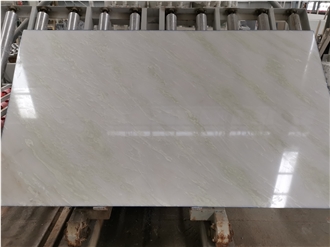
Bianco Milan Marble is a type of white marble quarried in China. While marble is typically used for interior applications, it is also possible to use it in exterior settings, including in cold climates, depending on several factors:
1. Frost resistance: Cold climates experience freezing temperatures, which can cause damage to certain types of marble. Bianco Milan Marble is known for its good frost resistance, meaning it is less likely to crack or become damaged when exposed to freezing temperatures.
2. Density and porosity: The density and porosity of the marble can affect its ability to withstand cold climates. Bianco Milan Marble is known for its dense and low porosity characteristics, making it less susceptible to water absorption and, subsequently, less prone to freeze-thaw cycles that can cause damage.
3. Sealant and maintenance: To enhance the marbles durability and protect it from the effects of cold climates, applying a high-quality sealant is recommended. This will help to prevent water penetration and reduce the risk of damage from freezing. Regular maintenance, such as resealing the marble periodically, is also important to ensure its longevity in cold climates.
4. Installation techniques: The installation process is crucial for the marbles performance in exterior settings. Proper installation, including using suitable adhesives and following industry standards, can help minimize the risks associated with cold climates.
Its always advisable to consult with professionals or experts in the field, such as architects, contractors, or marble suppliers, to ensure the specific type of Bianco Milan Marble you have is suitable for exterior applications in cold climates. They can provide specific recommendations based on the properties and characteristics of the marble.


 China

 3YR




 Italy


 Greece


 Namibia

 Turkey


 India

