Post Your Needs

Bianco Milano Marble

White - Marble

Brazil

About

Item Details

Material Type:
Marble
Origin:
Brazil (Fazenda Quixaba, Pio IX, Piauí)
Primary Color(s):
White
Recommended Usage:
Kitchen and bathroom countertops, monuments, building stone, ornamental stone, stairs, interior, exterior wall and floor applications, mosaic, waterjet pattern, wall panels, table tops, window sills, balustrades, columns, wall and pool copings, pool pavers, sculptures, fireplaces, pavers, cobbles, curbstone
Additional Names:
Panda White Marble, Zebra White Marble, in China Stone Market:斑马白(Bān mǎ bái), Bianco Milano Marble
Finished Surface:
Polished,Bush Hammered,Tumbled,Brushed,Honed,Split,Machine Cut,Natural Surface,Sandblasted,Combed,Leathered,Water Jet,Filled,Chiseled,Pickling

Testing

Water Absorption:
0.2 - 0.35%
Density:
2690 - 2750 kg/m³
Flexural Strength:
10 - 15 MPa
Compressive Strength:
90 - 120 MPa

Description

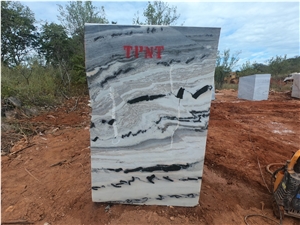
Bianco Milano Marble is a visually striking and unique variety of marble that originates from the Fazenda Quixaba, Pio IX, in the Piauí state of Brazil. Known for its elegant and dramatic appearance, this marble features a creamy white base beautifully contrasted by bold, sweeping veins of dark green and black. Its aesthetic appeal makes it a popular choice for luxurious interior design applications.

Physical and Mechanical Properties

  • Water Absorption: Typically around 0.2% to 0.35%. This low absorption rate indicates a relatively low porosity, making it more resistant to staining and moisture damage.

  • Density: Approximately 2.69 to 2.75 g/cm³. This density contributes to its durability and strength.

  • Flexural Strength: Around 10 to 15 MPa. This property measures the marble's ability to resist deformation under load.

  • Compressive Strength: Ranges from 90 to 120 MPa. It indicates the material's ability to withstand heavy loads without cracking or breaking.

  • Hardness: Scores around 3 to 4 on the Mohs scale. This hardness level suggests it is moderately resistant to scratching and surface wear.

  • Porosity: Generally low, which aids in its resistance to liquid penetration and staining.

  • Slip Resistance: Typically rated as medium, making it necessary to apply a slip-resistant treatment for high-traffic flooring areas.

Chemical and Mineral Compositions (% by Weight)

  • Calcium Carbonate (CaCO3): Approximately 95-98%
  • Silica (SiO2): 1-3%
  • Magnesium Carbonate (MgCO3): <1%
  • Iron Oxides (Fe2O3): Present in trace amounts, contributing to the coloration.
  • Other Minerals: Small amounts of other minerals may contribute to the unique veining and coloration, such as serpentine or chlorite.

Usage and Applications

  • Interior Flooring: Offers a luxurious and sophisticated look, ideal for residential and commercial spaces.
  • Wall Cladding: Perfect for creating stunning feature walls or backsplashes.
  • Countertops: Its striking aesthetic makes it a popular choice for kitchen and bathroom countertops.
  • Fireplace Surrounds: A great option for enhancing the elegance of a fireplace area.
  • Tabletops and Vanity Tops: Provides a refined touch to furniture pieces.

Maintenance

  • Regular Cleaning: Use a pH-neutral cleaner with a soft cloth or mop to maintain its shine and prevent damage.
  • Sealing: Regular sealing is recommended to protect against staining and promote longevity.
  • Avoid Harsh Chemicals: Refrain from using acidic or abrasive cleaners that may etch or scratch the surface.

Surface Finish Options

  • Polished: Provides a high-gloss and reflective surface, enhancing the marble's color and veining.
  • Honed: Offers a smooth, matte finish, which reduces the appearance of scratches and is less slippery.
  • Leathered: A textured, satin finish that provides a more rustic and slip-resistant surface.
  • Brushed or Antique: These finishes give a worn, aged appearance, adding character and texture.

Bianco Milano Marble, with its bold design and robust properties, continues to be favored for its unique beauty and versatile applications in high-end architectural and interior design projects.

FAQ

Does the surface of Bianco Milano Marble countertop scratch easily?

Marble countertops, including Bianco Milano Marble, are relatively soft compared to other countertop materials such as quartz or granite. This means that they can be scratched more easily. To prevent scratching, it is important to use cutting boards, trivets, and coasters to protect the surface from sharp objects and heavy items. Regular cleaning and polishing can also help maintain the appearance and reduce the visibility of scratches. In general, it is possible for the surface of Bianco Milano Marble countertops to scratch easily, so it is important to be careful and take proper care of the countertop to prevent damage.
Can 2cm thick Bianco Milano Marble be used as a commercial kitchen countertop?

It is not recommended to use 2cm thick Bianco Milano Marble as a commercial kitchen countertop. Commercial kitchens typically require countertops that are more durable and resistant to wear and tear. A thicker slab of marble, such as 3cm or more, would be more suitable for a commercial kitchen as it provides better durability and longevity. Additionally, marble is a softer and more porous material compared to other countertop materials, making it more susceptible to scratching, staining, and etching in a high-traffic commercial kitchen environment. It would be more practical to consider alternative materials such as granite or quartz for commercial kitchen countertops.

How can I maintain scratched Bianco Milano Marble flooring?

1. Clean the floor regularly with a pH-neutral cleaner and a soft mop or cloth to remove dirt and grime that could potentially worsen the scratches. 2. Avoid using abrasive cleaners, harsh chemicals, or rough cleaning tools that can further damage the marble surface. 3. Consider re-polishing the scratched areas with a marble polishing compound to restore the shine and smoothness of the marble surface. 4. Use area rugs or mats in high-traffic areas to protect the marble from further scratching and wear. 5. Apply a marble sealer to protect the surface from spills, stains, and scratches in the future. Be sure to follow the manufacturers instructions for application. 6. Regularly monitor the condition of the marble flooring and address any new scratches or damage promptly to prevent them from becoming worse.

Is Bianco Milano Marble a suitable choice for facades in cold winter climates?

Bianco Milano Marble is a type of white marble that is known for its aesthetic appeal and high quality. However, it may not be the best choice for facades in cold winter climates due to the potential for water absorption and staining. Marble is a porous stone that can easily be damaged by freezing temperatures and moisture penetration. In cold climates, water can seep into the stone and freeze, causing it to expand and potentially crack or spall. Additionally, marble is prone to staining from salts used in ice melt products, which are commonly used on sidewalks and driveways in cold winter climates. These stains can be difficult to remove and may negatively impact the appearance of the facade over time. Overall, while Bianco Milano Marble may be a beautiful choice for indoor applications or less harsh climates, it may not be the most practical or durable option for facades in cold winter climates. It would be advisable to consider alternative materials that are more resistant to freezing temperatures and moisture damage.

Can Brazil's Bianco Milano Marble be used in wall coverings?

Yes, Brazils Bianco Milano Marble can be used for wall coverings. Marble is a versatile material that can be utilized for various applications, including wall cladding and coverings. Bianco Milano Marble, with its beautiful white and grey veining, can add a luxurious and elegant touch to any wall surface.

Can Brazil's Bianco Milano Marble be used exterior applications in very rainy climates?

No, Bianco Milano Marble is not suitable for exterior applications in very rainy climates. Marble is a sedimentary rock that is prone to absorbing water, and prolonged exposure to moisture can cause damage to the stone. In very rainy climates, the frequent exposure to water and moisture can lead to staining, erosion, and deterioration of the marbles surface. It is better to opt for a more durable and weather-resistant material, such as granite or porcelain, for exterior applications in very rainy climates.

What is the coefficient of friction of Chiseled Brazil's Bianco Milano Marble tiles?

The coefficient of friction of Chiseled Brazils Bianco Milano Marble tiles may vary depending on several factors, including the specific finish applied to the tiles. Generally, marble tiles have a coefficient of friction ranging from 0.4 to 0.6. However, to obtain accurate information on the coefficient of friction for Chiseled Brazils Bianco Milano Marble tiles, it is best to consult with the manufacturer or supplier of the product.

Can Brazil's Bianco Milano Marble be used outdoors?

Yes, Brazils Bianco Milano Marble can be used outdoors. However, it is important to note that marble is a natural stone and can be susceptible to weathering, especially in harsh climates. Therefore, proper sealing and maintenance are recommended to protect the marble from moisture, stains, and fading caused by sunlight. Regular cleaning and resealing will help maintain the beauty and durability of Bianco Milano Marble in outdoor applications.

Products & Prices

Hot White Marble

New Marble

Post Your Request

The request includes:
  1. surface finished, size
  2. quantity required