Post Your Needs

Black Sahara Marble

Black - Marble

Tunisia

About

Item Details

Material Type:
Marble
Origin:
Tunisia (Jebel Aziz Mountains, El Fahs, Zaghwān)
Primary Color(s):
Black
Recommended Usage:
Kitchen and bathroom countertops, monuments, building stone, ornamental stone, stairs, interior, exterior wall and floor applications, mosaic, waterjet pattern, balustrades, fireplaces surround, columns, wall panels, table tops
Additional Names:
Sahara Noir Marble, Marbre Noir Sahara, Marmo Nero Sahara, Nero Dorato Marble, Marmo Nero Tunisi, Black Aziza Marble, Noir Gris Aziza Marbre, Noir Aziza Marble, Nero Aziza Marble, Marmo Negro Aziza, Black Sahara Marble, Black Sahara Marble
Finished Surface:
Polished,Bush Hammered,Tumbled,Brushed,Honed,Split,Machine Cut,Natural Surface,Sandblasted,Combed,Leathered,Water Jet,Filled,Chiseled,Pickling

Testing

Water Absorption:
0.92 %
Density:
2720 kg/m3
Compressive Strength:
72.108 MPa

Description

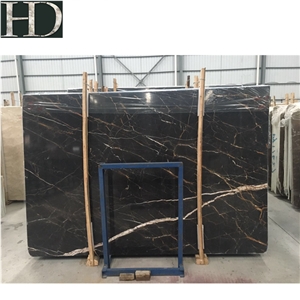
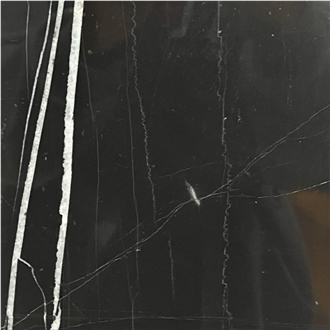
Black Sahara Marble, also known by various names such as Nero Dorato Marble, Marmo Nero Tunisi, and Black Aziza Marble, is an exquisite and distinctive natural stone celebrated for its luxurious and captivating appearance. Quarried in the Jebel Aziz Mountains in El Fahs, located in the Zaghwān region of Tunisia, this marble variety features a rich black background adorned with elegant white and copper veins.

The primary characteristic of Black Sahara Marble is its deep and rich black color, which exudes a sense of opulence and sophistication. The black background serves as a bold and dramatic canvas that allows the veins to stand out prominently. This intense coloration provides a striking contrast and sets the stage for the intricate patterns that define the stone's visual allure.

The veins of Black Sahara Marble are a true focal point of its beauty. The elegant white and copper veins traverse the surface of the stone in a mesmerizing and intricate manner. The contrast between the black background and the white and copper veins creates a captivating play of colors that evokes a sense of elegance and luxury. The veins are often graceful and organic, adding an artistic element to the stone's appearance.

The combination of rich black with white and copper veins makes Black Sahara Marble a favored choice for creating statement pieces and adding a touch of opulence to interiors. It is often used for applications such as countertops, wall cladding, flooring, and decorative accents. The unique and luxurious appearance of the marble can transform spaces into elegant and visually captivating environments.

Quarried in the Jebel Aziz Mountains in Tunisia, Black Sahara Marble carries a sense of authenticity and regional character. Its distinctive coloration and veining are a testament to the geological history of the area. This connection to its origin adds to the stone's value and the story it can tell within a design.

In summary, Black Sahara Marble's rich black background with white and copper veins creates a luxurious and captivating appearance. Its unique combination of colors and patterns, along with its association with its place of origin, makes it a highly sought-after material for those seeking to infuse their projects with elegance and opulence.

FAQ

Can Tunisia's Black Sahara Marble be used in wall coverings?

Yes, Tunisias Black Sahara Marble can be used in wall coverings. It is a popular choice for interior design and architecture due to its elegant and sophisticated look. The black color and unique veining patterns of the marble create a luxurious and stylish appearance for wall coverings. Whether it is used in large slabs or smaller tiles, the Black Sahara Marble can add a touch of refinement to any space.

What grade is Tunisia's Black Sahara Marble?

Tunisias Black Sahara Marble is considered to be of a high grade. The marble is known for its deep black color, accompanied by distinctive white veins and patterns. It is highly prized for its elegance and luxury, making it a popular choice in the construction and home decor industries.

With Black Sahara Marble kitchen countertops, which color backsplash should I choose?

When selecting a backsplash color for Black Sahara Marble kitchen countertops, you have various options that can create a striking and harmonious look. Here are a few color suggestions to complement the countertops: 1. Classic White: A white subway tile backsplash can provide a clean, timeless look that contrasts beautifully with the dark marble. It creates a striking visual contrast and allows the countertops to be the focal point. 2. Light Gray: Opting for a light gray backsplash can provide a subtle and modern look. It adds depth and complements the black veining in the marble, creating a cohesive and sophisticated aesthetic. 3. Warm Beige: Choosing a warm beige backsplash can add warmth and earthiness to the kitchen. It provides a softer contrast to the black marble while maintaining a cohesive and elegant appearance. 4. Bold Accent Color: If you want to make a bold statement, consider incorporating an accent color backsplash. Colors like emerald green, navy blue, or even a vibrant red can create a striking contrast against the black marble, adding visual interest and personality to the space. However, an accent color should be used sparingly and with caution to ensure it complements the overall kitchen design. Ultimately, the choice of color will depend on your personal style, preferences, and the overall ambiance you wish to create in your kitchen. It is recommended to obtain samples of different backsplash options and hold them against the Black Sahara Marble countertops to visualize the best combination before making a final decision.

With Black Sahara Marble kitchen countertops, which color kitchen cabinets should I choose?

With Black Sahara Marble kitchen countertops, you have several options for choosing the color of your kitchen cabinets. Here are a few suggestions: 1. White cabinets: White cabinets can create a clean and modern look that complements the dark hue of the Black Sahara Marble. The contrast between the black and white can be visually striking. 2. Dark wood cabinets: If you want a more dramatic and luxurious look, consider choosing dark wood cabinets such as espresso or mahogany. These can create a rich and elegant feel in the kitchen. 3. Light gray cabinets: Light gray cabinets can provide a subtle and sophisticated backdrop for the striking Black Sahara Marble. This color choice can create a contemporary and stylish aesthetic. 4. Navy blue cabinets: For a bold and modern look, you can opt for navy blue cabinets. This color choice can add depth and personality to your kitchen, creating a unique and eye-catching space. Ultimately, the choice of color for your kitchen cabinets will depend on your personal style, the overall color scheme of your kitchen, and the atmosphere you want to create. Its a good idea to gather samples of different cabinet colors and hold them up against the Black Sahara Marble to see which combination you prefer.

Can you put hot dishes on Black Sahara Marble?

It is generally advised not to put hot dishes directly on Black Sahara Marble or any other marble surface. Marble is a natural stone and can be sensitive to extreme temperatures, which may cause the stone to crack or develop heat marks. To protect your marble countertop or surface, it is recommended to use trivets, hot pads, or heat-resistant mats to place hot dishes on.

How do you clean Black Sahara Marble in the kitchen?

To clean Black Sahara Marble in the kitchen, follow these steps: 1. Prepare a mild cleaning solution: Mix a few drops of dish soap or a pH-neutral stone cleaner with warm water in a bucket or sink. Avoid using acidic or abrasive cleaners that can damage the marbles surface. 2. Remove loose dirt and debris: Use a soft microfiber cloth or a soft-bristle brush to gently remove any loose dirt or crumbs from the surface of the marble. Be gentle to avoid scratching or damaging the marble. 3. Wipe down the surface: Dip a clean microfiber cloth into the cleaning solution, wring out any excess liquid, and gently wipe down the entire marble surface. Ensure that you clean both the countertops and backsplashes. 4. Pay attention to spills and stains: For any spills or stains on the marble, immediately blot the area with a soft cloth or paper towel to remove excess liquid. Avoid wiping the spills, as it can spread the stain. If the stain is still visible, you may need to use a poultice, specifically designed for marble, to draw out the stain. Follow the instructions provided with the poultice product. 5. Rinse thoroughly: Once you have cleaned the marble, rinse the surface thoroughly with clean water to remove any residue from the cleaning solution. 6. Dry the marble: Use a clean, dry microfiber cloth to gently dry the marble surface. Ensure that there is no moisture left on the marble, as standing water can cause stains or damage over time. Additional tips: - Place coasters or mats under glasses, bottles, or other objects to prevent potential stains and etching. - Avoid using abrasive scrub brushes or abrasive cleaning pads on the marble as they can scratch the surface. - Regularly seal the Black Sahara Marble to protect it from staining. Consult the manufacturers instructions or a professional to determine the appropriate sealer and sealing frequency for your specific marble. Remember to always test any cleaning or stain removal product on a small, inconspicuous area before applying it to the entire marble surface.

Does water stain Black Sahara Marble?

Marble is generally porous and can absorb liquids, including water. While water itself does not typically stain marble, if the water contains impurities or minerals, it can leave behind stains or marks on the surface. It is advisable to promptly clean up any spills on Black Sahara Marble to prevent potential staining.

Does Black Sahara Marble stain easily?

Black Sahara Marble is a type of marble known for its dark, black color with vibrant white veining. Like all natural stones, marble is generally porous and can be susceptible to staining if not properly sealed and maintained. However, compared to lighter colored marbles, the dark color and veining of Black Sahara Marble may help to camouflage and hide any potential stains or etching that may occur. Additionally, if sealed and maintained regularly, it can help to minimize any staining issues. To prevent staining, it is recommended to seal the marble regularly with a high-quality marble sealer. This will help to create a protective barrier on the surface of the marble, reducing its porosity and making it more resistant to staining. It is important to note that no natural stone is completely immune to staining and etching, so it is always a good idea to clean up any spills or stains promptly to minimize the chances of permanent damage. It is best to consult with a professional stone supplier or installer for specific recommendations on how to care for and maintain Black Sahara Marble to ensure its longevity and prevent staining.

Is Black Sahara Marble heat resistant?

Black Sahara marble is known for its heat resistance. It can withstand high temperatures without being damaged or discolored. However, it is always advisable to use proper heat protection, such as trivets or hot pads, when placing hot objects on any type of stone surface to prevent potential damage.

Can I use Black Sahara Marble as a kitchen countertop?

Black Sahara Marble is a beautiful and luxurious material that can be used for kitchen countertops. However, there are a few things you should consider before making a decision: 1. Durability: While marble is known for its elegance, it is a softer stone compared to granite or quartz. This means that it is more prone to scratches and stains. Regular sealing and maintenance are necessary to protect the marble from potential damages in the kitchen environment. 2. Acidic substances: Marble is sensitive to acidic substances like vinegar, lemon juice, and certain cleaning products. These can cause etching or dull spots on the surface. If you choose to use Black Sahara Marble as your kitchen countertop, its important to be cautious with acidic spills and to clean them up promptly. 3. Heat resistance: Marble is heat resistant but it is not as heat-resistant as granite or quartz. It is important to use trivets or hot pads under hot pans or pots to avoid any potential heat damage to the surface. 4. Aesthetics: Black Sahara Marble has beautiful and unique patterns that can add elegance and sophistication to your kitchen. However, it is a personal preference, and its important to consider your overall kitchen design and style before choosing marble as your countertop material. Ultimately, using Black Sahara Marble as a kitchen countertop is possible, but it requires more care and maintenance compared to other materials.

Products & Prices

View More

Hot Black Marble

New Marble

Post Your Request

The request includes:
  1. surface finished, size
  2. quantity required