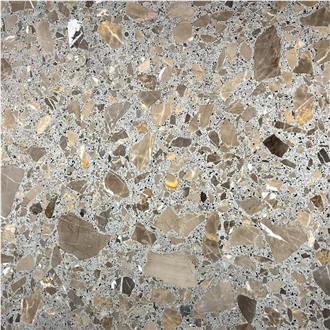
Terrazzo is a type of flooring material that is composed of chips of aggregate (such as marble or glass) mixed with a binder material (such as cement or epoxy resin). Typically, terrazzo is used for interior applications such as flooring or countertops.
While it is possible to use terrazzo for some exterior applications, it may not be the most suitable choice for very windy climates. Heres why:
1. Durability: Terrazzo is a relatively hard and durable material, but it may not withstand extreme weather conditions, especially high winds. Wind-blown debris or particles can cause impact damage or scratching to the surface of the terrazzo.
2. Staining and fading: Depending on the specific binder material used, terrazzo can be prone to staining and fading when exposed to prolonged sunlight or harsh weather conditions. Over time, the blue color of the terrazzo may fade or become discolored due to UV exposure.
3. Maintenance: Terrazzo requires regular maintenance, including sealing and resealing, to protect the surface and maintain its appearance. In very windy climates, this maintenance can be more challenging due to the increased likelihood of wind-blown debris or dust settling on the terrazzo surface.
If you need a flooring material that is more suitable for exterior applications in very windy climates, it is recommended to consider other options such as porcelain tiles, natural stone, or certain types of concrete. These materials are generally better equipped to withstand the harsh conditions associated with high winds and extreme weather.