Blue Crystal Marble

About
Item Details
- Material Type:
- Marble
- Origin:
Brazil - Primary Color(s):
- Blue
- Recommended Usage:
- Kitchen and bathroom countertops, monuments, building stone, ornamental stone, building stone, stairs, interior wall and floor applications, mosaic, waterjet pattern, wall panels, table tops, columns, fireplace surround
- Additional Names:
- Crystal Blue Marmore, Calcite Blue Extra Marble, Tropical Blue Marble, Cristalita Ocean Blue Marble, Sky Blue Marble, Azul Acquamarina Marble, Blue Sky Marble, Crystal Blue Marble, Blue Crystal
- Finished Surface:
- Polished,Bush Hammered,Tumbled,Brushed,Honed,Split,Machine Cut,Natural Surface,Sandblasted,Combed,Leathered,Water Jet,Filled,Chiseled,Pickling
Testing
- Water Absorption:
- 0.25 – 0.40 % by weight
- Density:
- 2680 – 2740 Kg/m³
- Flexural Strength:
- 11 – 15 MPa
- Compressive Strength:
- 95 – 115 MPa
Description
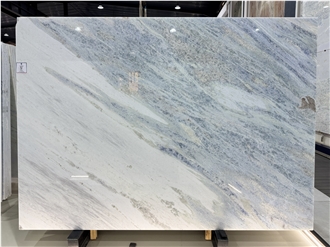
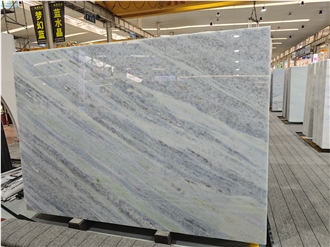
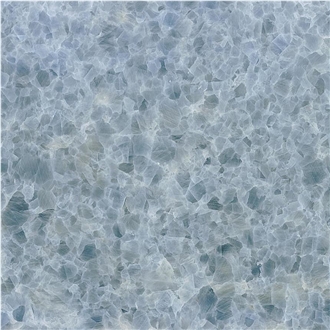
Quarried in Brazil, Blue Crystal Marble is a luxurious and exotic natural stone prized for its light-blue crystalline structure, interspersed with milky-white backgrounds. The mesmerizing effect of this marble often evokes the image of a blue nebula drifting through a white sky, making it an exceptional choice for high-end architectural and design applications.
Appearance
- Color: Pale to medium light-blue hues mixed with white crystallized areas.
- Pattern: Swirling or cloud-like patterns with a semi-transparent, crystalline appearance.
- Texture: Medium to fine-grain with a natural crystalline sparkle that reflects light beautifully.
- Aesthetic Appeal: Ethereal and celestial, suitable for statement spaces and luxury settings.
Physical and Mechanical Properties
- Density : 2.68 – 2.74 g/cm³
- Water Absorption : 0.25 – 0.40 % by weight
- Porosity : 0.3 – 0.6 %
- Compressive Strength : 95 – 115 MPa
- Flexural Strength : 11 – 15 MPa
- Abrasion Resistance : 25 – 28 mm (Mohs: approx. 3–4)
- Slip Resistance (R Rating) : R9 – R11 (depending on surface finish)
Test results may vary slightly depending on the quarry batch. Certified laboratory testing is recommended for final values.
Chemical Composition (% by weight)
- CaCO3 (Calcium Carbonate) : 93 – 96%
- MgCO3 (Magnesium Carbonate) : 1 – 2%
- SiO2 (Silica) : 1.0 – 1.5%
- Fe2O3 (Iron Oxide) : 0.3 – 0.6%
- Al2O3 (Aluminum Oxide) : 0.2 – 0.5%
- Trace Elements : TiO2, MnO, Na2O, K2O (<0.2%)
Mineral Composition (% by weight)
- Calcite : 90 – 95%
- Dolomite : 2 – 5%
- Quartz : 1 – 2%
- Others : <1%
Surface Finish Options
- Polished: High-gloss reflective finish enhancing the blue crystalline effect.
- Honed: Smooth, matte finish with softened color contrast.
- Leathered: Textured, slightly glossy surface enhancing depth and grip.
- Brushed / Antiqued: Soft texture, often used for flooring.
- Sandblasted / Flamed: For slip resistance, mostly exterior use.
Available Cutting Sizes (cm)
Slabs:
- 120 x 240
- 160 x 260
- 180 x 300
- Custom cuts upon request
Tiles:
- 30 x 60
- 60 x 60
- 60 x 120
- Other sizes available based on project specifications
- Thickness: 1.8 cm 2 cm 3 cm
Recommended Applications
- Luxury bathroom walls and floors
- Kitchen countertops and backsplashes
- Feature walls and TV backdrops
- Hotel lobbies and reception areas
- Elevator walls and indoor columns
- Decorative art pieces and furniture tops
- Not ideal for heavy-traffic commercial floors due to its medium hardness and susceptibility to etching.
Maintenance Recommendations
- Clean regularly with a pH-neutral stone cleaner.
- Avoid acidic or abrasive products.
- Periodic sealing (every 6–12 months) is recommended for high-use areas.
- Wipe spills promptly to prevent staining.
- Use mats or pads to prevent scratching or etching on countertops.
FAQ
Brazils Blue Crystal Marble is typically considered to be a high-grade marble with a luxurious appearance. The exact classification may vary depending on specific quality criteria and grading systems used in the industry.
Can Brazil's Blue Crystal Marble be used exterior applications in very dusty climates?
Brazils Blue Crystal Marble can be used for exterior applications in dusty climates, but certain precautions should be taken to ensure its durability and appearance over time.
Here are a few factors to consider:
1. Finish: The choice of finish can play a crucial role in the marbles ability to withstand dusty conditions. A polished finish may show dust more readily and require frequent cleaning, while a textured or honed finish can be more forgiving.
2. Sealing: Applying a high-quality sealer is essential to protect the marble from dust and other external elements. Make sure to use a sealer specifically formulated for natural stone and follow the manufacturers instructions for application.
3. Cleaning and maintenance: Regular maintenance is important to keep the marble looking its best in a dusty environment. Avoid using harsh chemicals or abrasive cleaning products that can damage the stones surface. Instead, use a mild soap and water mixture or a pH-neutral stone cleaner.
4. Protective measures: Installing awnings, overhangs, or other shading structures can help minimize dust accumulation on the marbles surface. Regularly sweeping or rinsing the area around the marble can also help prevent excessive dust buildup.
Overall, while Brazils Blue Crystal Marble can be used in exterior applications in dusty climates, proper maintenance and care are crucial to preserve its beauty and longevity. Consulting with a professional stone supplier or installer can provide specific guidance based on the local climate and conditions.
Can Brazil's Blue Crystal Marble be used outdoors?
Yes, Brazils Blue Crystal Marble can be used outdoors. It is a natural stone that is known for its durability and resistance to weathering. However, it is important to note that different varieties of marble may have different compositions, and it is recommended to check the specific characteristics of the Blue Crystal Marble variant you are considering for outdoor use. Additionally, proper installation, sealing, and maintenance are vital to ensure its longevity and performance in outdoor applications.
What is the coefficient of friction of Chiseled Brazil's Blue Crystal Marble tiles?
The coefficient of friction of Chiseled Brazils Blue Crystal Marble tiles cannot be determined without conducting specific tests or obtaining information from the manufacturer or supplier. The coefficient of friction can vary depending on various factors such as surface texture, finish, and conditions. It is typically reported as a value between 0 and 1, where a higher coefficient indicates better grip or friction.
Can Brazil's Blue Crystal Marble be used in heavy use areas?
Yes, Brazils Blue Crystal Marble can be used in heavy use areas. It is a highly durable and strong natural stone known for its resistance to scratches, stains, and wear. It is commonly used in commercial and residential projects, including flooring, countertops, and wall cladding, where heavy foot traffic and daily use are expected. However, as with any natural stone, proper installation, regular maintenance, and sealing may be necessary to ensure its longevity and performance in heavy use areas.
Can Brazil's Blue Crystal Marble be used in a dining room?
Yes, Brazils Blue Crystal Marble can definitely be used in a dining room. The elegant and luxurious appearance of this marble makes it a popular choice for various interior applications, including dining rooms. It can be used for dining room flooring, tabletops, accent walls, or even as decorative pieces such as sculptures or vases. The unique blue and white crystalline pattern of this marble adds a touch of sophistication and visual interest to any dining room design.
Are there color variations of Brazil's Blue Crystal Marble?
I do not have access to the latest quarrying data, but typically, Brazils Blue Crystal Marble is known for its striking shades of blue, gray, and white. However, there may be slight variations in color depending on the specific mineral compositions and quarry location.
How thick is Brazil's Blue Crystal Marble slabs?
I do not have access to the latest or real-time s on the thickness of Brazils Blue Crystal Marble slabs. However, a standard thickness of marble slabs is around 2cm or 3cm. It is best to contact a marble supplier or visit their website to confirm the exact thickness of the specific slab of Brazils Blue Crystal Marble.
Is Brazil's Blue Crystal Marble an expensive stone?
I do not have up-to-date information on the price of stones. However, it is worth noting that the price of Blue Crystal Marble would depend on various factors such as quality, size, color, and market demand. It is always recommended to consult with a professional in the industry for the latest pricing information.


2YR