Post Your Needs

Blue Moors Marble

Marble

China

About

Item Details

Material Type:
Marble
Origin:
China
Recommended Usage:
kitchen and bathroom countertops, wash basins, building stone, ornamental stone, stairs, interior, exterior wall and floor applications, mosaic, waterjet pattern, wall panels, table tops, balustrades, columns, wall and pool copings, pool pavers, sculptures, fireplaces, window sills
Additional Names:
Mulan Grey Marble, Magnolia Grey Stars Marble, White Magnolia Marble, Magnolia Grey Marble, Magnolia White Marble, Manolia Gray Marble, White Stars Marble, in China Stone Market:木兰灰(Mùlán Huī)
Finished Surface:
Polished,Bush Hammered,Tumbled,Brushed,Honed,Split,Machine Cut,Natural Surface,Sandblasted,Combed,Leathered,Water Jet,Chiseled,Pickling

Testing

Water Absorption:
0.18 - 0.35 %
Density:
2680 - 2730 kg/m³
Flexural Strength:
13 - 17 MPa
Compressive Strength:
120 - 135 MPa

Description

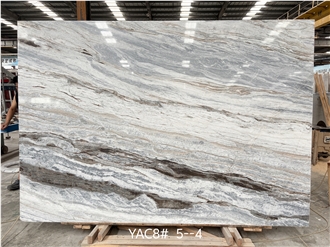
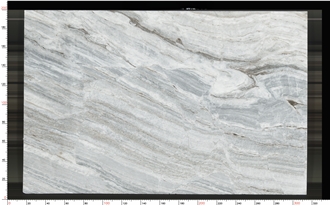
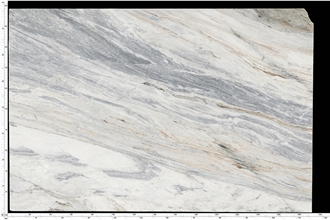
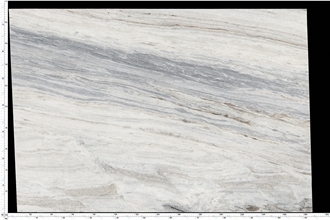
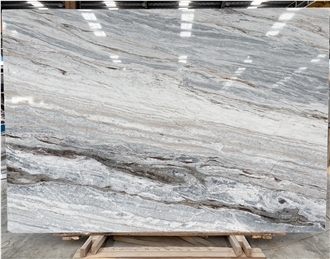
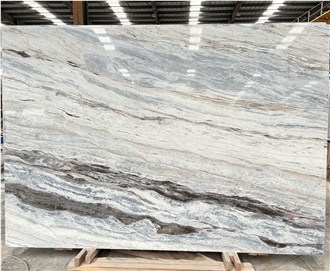
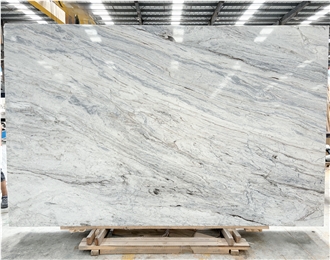
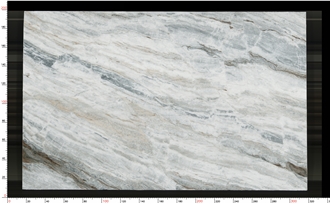
Blue Moors Marble is an elegant semi-white natural marble quarried in China, admired for its sophisticated balance of subtle coloration and dramatic veining. Featuring a soft, cool white to light gray background reminiscent of weathered magnolia bark, this marble presents a refined and contemporary aesthetic. Expressive charcoal-black and delicate gray veins flow gracefully across the surface in artistic, painterly patterns, creating a sense of movement and depth while maintaining a calm and harmonious appearance. The stone's understated luxury and natural sophistication make it particularly suitable for modern residential, hospitality, and commercial projects seeking timeless elegance with distinctive visual character.

Texture & Appearance

  • Texture: Compact, fine-grained crystalline marble with a smooth, uniform surface.
  • Pattern: Dynamic linear, feathered, and cloud-like veining with painterly movement.
  • Background Color: Cool white, semi-white, and light gray tones.
  • Vein Colors: Charcoal black, smoky gray, silver-gray, and occasional subtle blue-gray accents.
  • Visual Character: Contemporary, elegant, clean, and expressive with excellent visual depth and contrast.

Physical & Mechanical Properties

  • Density: 2,680 - 2,730 kg/m³
  • Water Absorption: 0.18 - 0.35 %
  • Apparent Porosity: 0.50 - 0.90 %
  • Compressive Strength: 120 - 135 MPa
  • Flexural Strength: 13 - 17 MPa
  • Abrasion Resistance: 22 - 28 mm
  • Frost Resistance: Suitable for moderate exterior applications
  • Mohs Hardness: 3.5 - 4.5
  • Modulus of Rupture: 13 - 17 MPa

Chemical Composition (% by Weight)

  • Calcium Carbonate (CaCO₃): 93 - 97 %
  • Magnesium Carbonate (MgCO₃): 1 - 3 %
  • Silica (SiO₂): 0.5 - 2.0 %
  • Aluminum Oxide (Al₂O₃): 0.1 - 0.5 %
  • Iron Oxide (Fe₂O₃): 0.05 - 0.30 %
  • Potassium Oxide (K₂O): 0.05 - 0.20 %
  • Trace Minerals: 0.5 - 2.0 %

Mineral Composition (% by Weight)

  • Calcite88 - 95 %
  • Dolomite2 - 5 %
  • Quartz1 - 3 %
  • Mica0.5 - 1.5 %
  • Feldspar0.5 - 1.5 %
  • Accessory Minerals<1 %

Applications

Blue Moors Marble is suitable for:

  • Luxury residential flooring
  • Feature walls Interior wall cladding
  • Hotel lobbies
  • Commercial interiors
  • Bathroom vanities
  • Shower walls
  • Reception desks
  • Fireplace surrounds
  • Staircases
  • Kitchen islands
  • Furniture tops
  • Decorative architectural elements

Maintenance & Care

  • Seal before installation and periodically thereafter.
  • Clean using pH-neutral stone cleaners.
  • Avoid acidic substances such as vinegar, lemon juice, and harsh chemical cleaners.
  • Wipe spills promptly to prevent staining.
  • Use protective pads beneath furniture and heavy objects.
  • Re-polish professionally if surface gloss diminishes over time.

Blue Moors Marble offers an exceptional combination of purity, artistic movement, and refined luxury, making it a preferred choice for architects, designers, and homeowners seeking a sophisticated natural stone with enduring visual appeal.

FAQ

Do I have to seal Blue Moors Marble kitchen countertop every year?

Blue Moors Marble, like most marble surfaces, is porous and can benefit from regular sealing to protect it from stains and etching. Sealing frequency can vary based on usage and the specific sealant used, but generally, it is advisable to seal marble countertops every 6 to 12 months. To determine if your countertop needs resealing, conduct a simple water test: place a few drops of water on the surface and see if it beads up. If it does not bead and instead soaks into the marble, its time to reseal. Always consult the manufacturer’s recommendations or a professional for the best care practices for your specific marble type.

Can I use bleach when cleaning a Blue Moors Marble kitchen countertop?

Using bleach on a Blue Moors Marble countertop is not recommended. Marble is a porous and relatively soft natural stone that can be easily damaged by harsh chemicals. Bleach, being a strong and abrasive cleaner, can etch the surface of the marble, potentially causing dull spots or discoloration. For cleaning marble countertops, its best to use a pH-neutral cleaner specifically designed for natural stone. Alternatively, you can use a mild dish soap mixed with warm water. Always ensure you dry the surface thoroughly after cleaning to prevent water spots or damage. Additionally, make sure to seal your marble countertops regularly to protect them from staining and etching.

If I chop meat on a Blue Moors Marble kitchen countertop, will it leave knife marks?

Blue Moors Marble is a beautiful and luxurious choice for countertops, but it is relatively softer and more porous compared to other countertop materials like granite or quartz. Chopping directly on a marble surface is not recommended because marble can be more susceptible to scratches and knife marks. To preserve the finish and appearance of your Blue Moors Marble countertop, it is best to use a cutting board whenever you are preparing food or chopping meat. This will help protect the marble surface from scratches, stains, and potential damage.

Is 18 mm thickness Blue Moors Marble good for a commercial bar top?

When considering Blue Moors Marble, or any marble, for a commercial bar top, there are several factors to consider: 1. **Durability**: Marble, including Blue Moors Marble, is a natural stone that is generally softer and more porous than other stones like granite or quartzite. This makes it more susceptible to scratches, staining, and etching, especially in high-traffic areas like a bar. For a commercial setting, where the bar top will be subjected to heavy use, spills, and potential impacts, the durability of marble might be a concern. 2. **Thickness**: An 18 mm (approximately 0.71 inches) thickness can be considered on the thinner side for a bar top, which typically ranges from 20 mm to 30 mm (approximately 0.78 to 1.18 inches). Thicker slabs are generally preferred for both aesthetic purposes and structural integrity, as they can better withstand heavy use and provide a stronger, more robust surface. 3. **Aesthetic Appeal**: One of the main reasons people choose marble, including Blue Moors Marble, is for its aesthetic appeal. It offers a unique and elegant look with its distinctive veining and coloration, potentially adding a luxurious touch to the bar area. 4. **Maintenance**: Marble surfaces require regular maintenance, including sealing and careful cleaning, to prevent staining and damage. In a commercial setting, it is important to consider whether staff can consistently manage this upkeep. 5. **Cost**: Marble can be more expensive both in initial installation and ongoing maintenance compared to materials like engineered stone or laminate. 6. **Alternative Options**: If the look of marble is desired but with increased durability, consider materials like quartz, which can mimic the appearance of marble while offering greater resistance to stains and scratches. If you decide to use the 18 mm Blue Moors Marble, ensure it is properly supported and consider using a thicker substrate or reinforcement to provide additional strength and stability. Consulting with a professional stone fabricator or installer is recommended to assess the suitability and prepare for any specific challenges related to your bar design and expected usage.

How can I remove a red sauce stain from a Blue Moors Marble kitchen countertop?

To remove a red sauce stain from a Blue Moors Marble kitchen countertop, you should proceed with caution to avoid damaging the natural stone. Here’s a step-by-step guide: 1. **Act Quickly**: The sooner you address the stain, the better your chances of removing it. Blot the stain gently with a soft cloth or paper towel to soak up as much of the sauce as possible. Avoid rubbing, as this can spread the stain. 2. **Mild Soap Solution**: Mix a few drops of mild dish soap with warm water. Use a soft microfiber cloth or sponge to gently clean the stained area. Rinse with clean water and dry thoroughly. 3. **Baking Soda Poultice**: If the stain persists, make a paste using baking soda and water. The paste should have a peanut butter-like consistency. Apply the paste over the stain, covering it with plastic wrap and sealing the edges with tape to prevent drying. Let it sit for 24-48 hours. 4. **Remove and Clean**: After the paste has dried, carefully remove it using a soft cloth or plastic scraper. Rinse the area with warm water and dry it completely with a soft towel. 5. **Use a Marble Cleaner**: If any residue remains, apply a marble cleaner specifically designed for natural stone surfaces. Follow the manufacturer’s instructions. 6. **Sealing the Marble**: If the countertop is not sealed, consider applying a marble sealant to protect it from future stains. Follow the product instructions for the best results. 7. **Avoid Harsh Chemicals**: Do not use vinegar, ammonia, or harsh cleaning agents, as these can etch or damage the marble. If the stain remains after trying the above methods, you may need to consult a professional stone restoration specialist for further assistance.

Can you put a hot cup of tea on Blue Moors Marble table top?

Blue Moors Marble is a type of natural stone, and while it is generally durable, it can be sensitive to heat. Placing a hot cup of tea directly on a marble tabletop could lead to potential damage such as discoloration, marks, or even cracking due to thermal shock. To protect your marble table, its advisable to use a coaster or some form of heat-resistant mat when placing hot items on it. This will help preserve the stones appearance and ensure its longevity.

Products & Prices

View More

Hot Marble

New Marble

Post Your Request

The request includes:
  1. surface finished, size
  2. quantity required