Post Your Needs

Blue Paradise Marble

Marble

China

About

Item Details

Material Type:
Marble
Origin:
China
Recommended Usage:
kitchen and bathroom countertop, wash basins, building stone, ornamental stone, stairs, interior, exterior wall and floor applications, mosaic, water-jet pattern, wall panels, table tops, balustrades, columns, wall and pool copings, pool pavers, sculptures, fireplaces, window sills
Additional Names:
Paradise Blue Marble, Blue Spirit Marble, Azul Aran Marble, in China stone market:蓝精灵(Lán Jīnglíng)
Finished Surface:
Polished,Bush Hammered,Tumbled,Brushed,Honed,Split,Machine Cut,Natural Surface,Sandblasted,Combed,Leathered,Water Jet,Chiseled,Pickling

Testing

Water Absorption:
0.10 - 0.40% by weight
Density:
2700 - 2760 kg/m³
Flexural Strength:
13 - 15 MPa
Compressive Strength:
120 - 130 MPa

Description

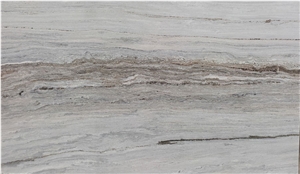
Blue Paradise Marble features a deep, rich blue-green base with varying shades of emerald, teal, and muted forest green, creating a vibrant yet natural color palette. The surface is dramatically contrasted by cloudy creamy-white patches and veins, producing an appearance reminiscent of flowing water, misty landscapes, or abstract natural scenery. The stone can display blue, green, grey, black, and white tonal variations depending on the quarry block and cutting direction.

Texture & Structure

The stone has a medium-grained crystalline marble structure with a compact, dense appearance. Its crystalline texture is generally smooth and relatively uniform, while the contrasting mineral bands and cloudy areas create strong visual movement. Some sections may exhibit subtle crystalline speckling and variations in grain size.

Pattern & Veining

Blue Paradise Marble is characterized by bold diagonal, wave-like striations and sweeping bands extending across the slab. Irregular emerald, teal, and forest-green bands are interspersed with cloudy creamy-white patches and flowing veins. The veining can vary considerably from block to block, with bookmatched slabs often producing highly decorative continuous patterns.

Technical Characteristics

  • Water Absorption: approximately 0.10–0.40% by weight
  • Density: approximately 2,700–2,760 kg/m³
  • Flexural Strength: approximately 13–15 MPa
  • Compressive Strength: approximately 120–130 MPa
  • Hardness: approximately 3–4 Mohs

Values are indicative and may vary according to quarry location, block selection, and testing conditions. Project specifications should be confirmed by laboratory testing of the supplied material.

Mineral Composition

  • Calcite: approximately 80–92% by weight
  • Dolomite: approximately 2–8%
  • Quartz: approximately 1–5%
  • Mica/Chlorite: approximately 1–4%
  • Feldspar and other accessory minerals: approximately 0–3%

The green and blue coloration may be associated with minor amounts of various silicate and iron-bearing minerals distributed along the metamorphic bands and veins.

Chemical Composition

  • CaCO₃: approximately 78–90% by weight
  • MgCO₃: approximately 1–6%
  • SiO₂: approximately 1–6%
  • Al₂O₃: approximately 0.2–2.0%
  • Fe₂O₃: approximately 0.1–2.0%
  • Other oxides: approximately 0–3%

Chemical composition is indicative and should not be considered a certified analysis without a laboratory report for the specific quarry material.

Applications

Blue Paradise Marble is suitable for a wide range of interior architectural and decorative applications, including:Interior flooring, Wall cladding, Feature and accent walls, Hotel and luxury residential interiors, Kitchen countertops and islands, Bathroom vanity tops, Reception desks and counters, Fireplace surrounds, Staircases and risers, Tabletops and furniture, Decorative panels, Backsplashes, Mosaic and waterjet applications.

Selected backlit decorative installations where translucency permitsIts strong color movement and dramatic veining make it particularly suitable for statement walls, bookmatched panels, luxury countertops, and bespoke interior features.

Available Finishes

Common finishes include polished, honed, leathered, brushed, and acid-washed, depending on the supplier and intended application.

Usage & Maintenance

Blue Paradise Marble is a calcite-rich natural stone and should be treated as an acid-sensitive material. Clean regularly with a soft cloth or mop and a pH-neutral stone cleaner. Avoid vinegar, lemon juice, acidic cleaners, bleach, abrasive powders, and aggressive cleaning chemicals, as these may etch or dull the surface.

For countertops, vanities, bathrooms, and other areas exposed to moisture or staining, professional sealing is recommended. Wipe spills promptly, particularly oils, wine, coffee, and acidic foods. Use cutting boards, trivets, and protective pads on kitchen and furniture surfaces.

For flooring and heavy-use areas, the appropriate finish and slip resistance should be selected according to the application. Periodic resealing should be carried out when the stone's surface no longer adequately resists moisture and staining.

FAQ

If I chop meat on a Blue Paradise Marble kitchen countertop, will it leave knife marks?

Chopping meat directly on a Blue Paradise Marble kitchen countertop is not advisable, as marble is a relatively soft and porous stone compared to other countertop materials like granite or quartz. Using a knife directly on the marble surface is likely to leave marks or scratches over time. Marble can also be stained or etched by acidic substances, so it’s important to protect the surface. To prevent damage, it is recommended to use a cutting board when preparing food on a marble countertop.

How can I remove a red sauce stain from a Blue Paradise Marble kitchen countertop?

Removing a red sauce stain from a Blue Paradise Marble countertop requires careful attention to avoid damaging the stone. Here’s a step-by-step guide: 1. **Blot the Stain**: If the stain is fresh, gently blot the excess sauce with a soft, dry cloth or paper towel. Avoid rubbing as this can spread the stain. 2. **Use a Mild Dish Soap Solution**: Mix a few drops of mild dish soap with warm water. Dampen a sponge or soft cloth with the soapy water and gently wipe the stained area. Rinse the sponge or cloth frequently and continue wiping until the stain begins to lift. 3. **Create a Baking Soda Poultice**: If the stain persists, you can make a poultice with baking soda and water. Mix baking soda with a small amount of water to create a thick paste. Apply the paste over the stain. 4. **Cover and Let Sit**: Cover the poultice with plastic wrap and secure it with tape to prevent it from drying out too quickly. Leave it to sit for 24-48 hours. The baking soda will help draw out the stain from the marble. 5. **Remove the Poultice**: After the waiting period, carefully remove the poultice with a soft, damp cloth. Rinse the area with clean water and dry it well with a soft towel. 6. **Repeat if Necessary**: If the stain is still visible, you may need to repeat the poultice treatment. 7. **Professional Cleaning Products**: If the stain remains stubborn, consider using a marble-specific cleaner or poultice available commercially. Make sure it is safe for use on marble. 8. **Preventive Care**: To prevent future stains, consider sealing your marble countertop regularly and be prompt in cleaning any spills. Always test any cleaning solution on a small, inconspicuous area of the countertop before applying it to the entire stain to ensure it does not damage the surface.

Can unsupported 2 cm Blue Paradise Marble be used as a tabletop without breaking?

When considering using a 2 cm thick Blue Paradise Marble slab as a tabletop without additional support, there are a few factors to consider to determine if breakage is likely: 1. **Size of the Slab**: Larger slabs may be more prone to bending and thus breaking if not properly supported. Smaller pieces generally have better structural integrity. 2. **Support Structure**: If the marble is not to have any additional support (like a wooden or metal frame underneath), it may experience undue stress, especially with weight being applied. Generally, a 2 cm slab will require adequate support to prevent sagging and potential cracking. 3. **Marble Properties**: Marble, while a relatively hard stone, can be brittle, particularly thin slabs. A 2 cm slab is on the thinner side for a stone tabletop, and Blue Paradise Marbles specific characteristics (like veining or fissures) can affect its strength. 4. **Usage and Load**: Consider what sort of load the table will be subjected to. Regular dining or decorative use might have less risk compared to heavier use or heavier objects being placed on it. Generally, 2 cm marble is used for applications where it will be supported, like countertops where a plywood substructure is often used. If you want a freestanding piece, its typically safer to opt for thicker slabs (like 3 cm) or ensure the 2 cm slab is properly supported by a substantial and evenly distributed frame underneath. Otherwise, it is at risk of breaking under its own weight or external pressure.

How should calcitic Blue Paradise Marble be cleaned and maintained?

Calcitic Blue Paradise Marble is a beautiful natural stone that requires proper care to maintain its appearance and longevity. Here are some guidelines for cleaning and maintaining this type of marble: 1. **Regular Cleaning:** - Use a soft, damp cloth or a microfiber mop to dust the surface regularly. This prevents dirt and grime from building up. - For regular cleaning, use a pH-neutral cleaner specifically designed for use on natural stone. Avoid any acidic or alkaline cleaners as they can damage the marble. 2. **Avoid Harsh Chemicals:** - Do not use vinegar, bleach, lemon juice, or any acidic or harsh chemical cleaners. They can etch or dull the surface of the marble. 3. **Spill Management:** - Wipe up spills immediately to prevent staining. Marble is porous and can absorb liquids, leading to stains. - Use a soft cloth to blot (not wipe) the spill to avoid spreading it. 4. **Sealing:** - Periodically seal the marble to protect it from stains and moisture infiltration. Check with your marble supplier for specific sealant recommendations and frequency—typically once a year is sufficient, but this can vary based on usage and location. - Before sealing, ensure the surface is clean and dry. 5. **Polishing:** - Occasionally, the marble might require professional polishing to restore its shine and remove minor scratches. This should be done by a professional to avoid damage. 6. **Preventive Measures:** - Use coasters, trivets, and placemats under beverages, hot dishes, and any items that might scratch or stain the surface. - Place area rugs or mats in high-traffic areas to protect the marble from excessive wear and tear. 7. **Dealing with Stains:** - For stubborn stains, a poultice can be made to draw out the stain from the marble. This usually involves a special powdered material mixed to a paste with water or a cleaning agent, applied to the stain, covered, and left to dry before removal. 8. **Scratch Prevention:** - Use protective pads under furniture legs to prevent scratches. - Avoid placing sharp or rough objects directly on the marble surface. By following these guidelines, you can maintain the beauty and integrity of Calcitic Blue Paradise Marble for many years. If you’re ever unsure about a specific cleaning product or method, it’s best to consult with a professional or the marble supplier for advice.

Is calcitic Blue Paradise Marble countertop resistant to acids?

Calcitic Blue Paradise Marble is primarily composed of calcite, a calcium carbonate mineral. This makes it susceptible to acid etching. When acidic substances such as lemon juice, vinegar, or certain household cleaners come into contact with marble, they can react with the calcite and cause etching—a corrosive process that dulls the surface finish and leaves a noticeable mark. Therefore, calcitic Blue Paradise Marble countertops are not resistant to acids, and care should be taken to avoid exposing them to acidic materials. Regular sealing and using pH-neutral cleaners can help protect the marble to some extent.

Is calcitic Blue Paradise Marble suitable for kitchen countertops?

Calcitic Blue Paradise Marble can be used for kitchen countertops, but there are several factors to consider before making a decision. 1. **Porosity**: Marble is a porous stone, meaning it can absorb liquids and stain more easily than other materials like granite or quartz. Regular sealing is necessary to protect its surface from stains, particularly in a kitchen where spills are common. 2. **Softness**: Marble, especially calcitic marble, is softer than granite or quartz, making it more prone to scratching and etching from acidic substances like lemon juice or vinegar. Extra care is needed to avoid surface damage. 3. **Aesthetic Appeal**: Calcitic Blue Paradise Marble is renowned for its beautiful, unique appearance, which can add elegance and a high-end look to a kitchen. 4. **Maintenance**: It requires diligent maintenance, including regular cleaning and sealing, to keep it looking pristine. 5. **Cost**: Marble is generally more expensive compared to other countertop materials. If you value the aesthetic appeal and are willing to commit to its maintenance, Calcitic Blue Paradise Marble can be a stunning choice for kitchen countertops. However, if you prefer a low-maintenance, durable option, you might consider materials like quartz or granite.

Products & Prices

Hot Marble

New Marble

Post Your Request

The request includes:
  1. surface finished, size
  2. quantity required