Post Your Needs

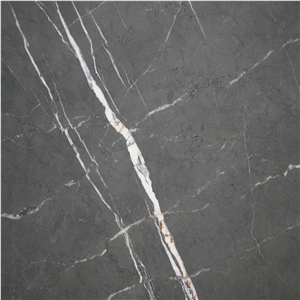
Blue Savoy Marble

Grey - Marble

France

About

Item Details

Material Type:
Marble
Origin:
France (Saint-Marcel, Haute-Savoie)
Primary Color(s):
Grey
Recommended Usage:
Kitchen and bathroom countertops, commercial tops, gravestones, bathroom countertops, building stone, ornamental stone, interior, exterior wall applications, wash basins, stairs, mosaic, waterjet pattern
Additional Names:
Marbre Blue Savoy, Marbre Blanc Bleute de Savoie, Marbre Bleu Savoi, Marbre Blue de Savoi, Blue de Savoie Marbre, Blue Savoie Marble, Savoian Blue Marble, Marbre de Nantignes, Savoy Blue Marble, Marbre Bleu De Savoie, Marbre Gris Bleute de Savoie, Marbre Gris Bleuté de Savoie, Blue Savoy, Blue Savoy Marble
Finished Surface:
Polished,Bush Hammered,Tumbled,Brushed,Honed,Split,Machine Cut,Natural Surface,Sandblasted,Acid Washing,Combed,Leathered,Water Jet,Filled,Chiseled,Pickling

Testing

Water Absorption:
0.2 %
Density:
2720 kg/m3
Flexural Strength:
20.6 MPa
Compressive Strength:
186.0 MPa

Description

Blue Savoy Marble is a stunning natural stone known for its captivating blue-gray coloration and intricate veining patterns. Quarried predominantly in Italy, this marble variety offers a unique and luxurious aesthetic that can elevate any space.

The base color of Blue Savoy Marble is a deep blue-gray, reminiscent of a clear sky or a calm sea. This rich hue is beautifully enhanced by delicate and sinuous veins that range in color from lighter shades of gray to subtle hints of gold and white. The veins meander gracefully across the surface, creating an eye-catching visual appeal and adding depth to the stone.

The distinctive veining patterns in Blue Savoy Marble can vary from slab to slab, ensuring that each piece is truly one-of-a-kind. Some slabs may have more pronounced veins, while others may feature a more subtle and wispy appearance. This natural variation contributes to the uniqueness and charm of this marble.

Blue Savoy Marble is often used in various architectural and design applications. It is particularly popular for luxurious countertops, flooring, wall cladding, and decorative accents. Its rich blue-gray color brings a sense of elegance and sophistication to both residential and commercial spaces.

In addition to its visual appeal, Blue Savoy Marble is renowned for its durability. Marble, including Blue Savoy, is a metamorphic rock formed from limestone that has undergone immense heat and pressure. While marble is generally softer than granite, it is still a resilient material suitable for a wide range of applications.

To maintain the beauty of Blue Savoy Marble, regular cleaning with a mild, pH-neutral cleaner is recommended. Avoid harsh chemicals or abrasive cleaners that may damage the surface. It is also advisable to seal the marble periodically to enhance its stain resistance and protect it from potential damage.

Blue Savoy Marble stands as a testament to the natural beauty and craftsmanship found in Italian marble. Its captivating color, intricate veining, and luxurious appeal make it a sought-after choice for those seeking a sophisticated and timeless design element in their living spaces.

FAQ

What are the different types of Blue Savoy Marble relief carving?

Blue Savoy Marble is a highly esteemed type of marble known for its rich blue color and gorgeous veining. When it comes to relief carving in Blue Savoy Marble, there are various techniques and styles that can be applied. Here are some of the different types of relief carving in Blue Savoy Marble: 1. Bas-relief: Bas-relief carving is a method where the sculpture is carved with a low level of projection from the background. This technique creates a three-dimensional effect while keeping the majority of the sculpture in the same plane as the background. It is commonly used for decorative purposes and to depict scenes or figures. 2. High Relief: In high relief carving, the sculpture projects boldly from the background, creating a more pronounced three-dimensional effect than bas-relief. The carver removes more material to give depth and detail to the design. This technique is frequently used for architectural embellishments and decorative pieces. 3. Architectural relief: Blue Savoy Marble relief carvings are often used in architectural applications, including wall panels, moldings, and friezes. These carvings can be in the form of bas-relief or high relief, depending on the desired effect and complexity of the design. 4. Figurative relief: Figurative relief carving involves the depiction of human figures or animals in the carved design. This type of carving can be done in various styles, ranging from realistic to abstract, and can showcase intricate details and expressions. 5. Floral relief: Blue Savoy Marble can be carved into stunning relief sculptures featuring flowers, leaves, and other botanical motifs. These carvings can range from delicate and flowing designs to more bold and stylized representations. 6. Abstract relief: Blue Savoy Marble can also be utilized to create abstract relief carvings. These carvings focus on shapes, lines, and forms rather than specific subjects. The designs can range from geometric patterns to fluid, organic shapes, allowing the artist to express their creativity freely. These are just a few examples of the different types of Blue Savoy Marble relief carving that can be created. The possibilities are virtually endless, and skilled artists can explore different techniques and styles to bring out the natural beauty of the marble and create stunning works of art.

What are the 4 categories of Blue Savoy Marble bas-relief?

The Blue Savoy Marble bas-relief can be categorized into the following four categories: 1. Mythological Figures: This category includes bas-reliefs depicting gods, goddesses, and mythological creatures from ancient Greek and Roman mythology. Examples may include sculptures of Zeus, Athena, Hermes, Medusa, and other mythical characters. 2. Historical Figures: This category consists of bas-reliefs portraying renowned historical figures from various periods and cultures. It may include sculptures of famous leaders, philosophers, artists, and scientists who made significant contributions to human history. 3. Nature and Wildlife: This category encompasses bas-reliefs depicting elements of nature, such as plants, flowers, trees, and animals. These sculptures may showcase intricate details of botanical or animal forms, capturing the beauty and diversity of the natural world. 4. Architectural and Geometric Designs: This category involves bas-reliefs highlighting architectural elements, intricate geometric patterns, and abstract designs. It may include sculptures inspired by classical architectural motifs, geometric shapes, and patterns, often used to decorate buildings, monuments, or contemporary spaces.

What is the best tool for Blue Savoy Marble carving?

The best tool for carving Blue Savoy Marble would typically be diamond-tipped chisels or diamond burrs. Diamond is one of the hardest substances on Earth, making it ideal for working with hard stones like Blue Savoy Marble. Diamond-tipped tools provide excellent precision and durability, enabling the carving of intricate details on the marble surface. These tools can be found at various specialized stone carving supply stores or online retailers offering stone carving equipment. Its important to choose diamond tools specifically designed for sculpting and carving marble to ensure optimum results.

What tools are used in Blue Savoy Marble sculpting?

In Blue Savoy Marble sculpting, a variety of tools and equipment are used to shape and carve the stone. Some of the common tools used in Blue Savoy Marble sculpting include: 1. Chisels: Various types of chisels, such as claw chisels, pitching chisels, and tooth chisels, are used to remove excess stone and create rough shapes. 2. Rasps and files: These tools are used to refine the shape and texture of the marble. They enable artists to achieve smooth surfaces and intricate details. 3. Pointing machine: This tool helps artists transfer measurements and dimensions accurately from a small-scale model or design onto the larger marble block. 4. Grinding and polishing machines: These machines are used to smooth and polish the marble sculpture. Different grades of sandpaper or abrasive pads are employed in this process. 5. Power tools: Tools such as angle grinders, rotary tools, and pneumatic hammers can assist in the initial shaping process and working on smaller details. 6. Handheld saws: Saw blades specifically designed for cutting through stone can be used to remove larger portions of excess material when roughing out a sculpture. 7. Hammer and punch: A hammer and punch set can be used to chip away small sections of marble or create textures and surface patterns. 8. Dust extraction system: Marble sculpting produces a significant amount of dust, so a dust extraction system or vacuum is often used to keep the workspace clean and minimize health hazards. It is essential for marble sculptors to have a variety of tools at their disposal to effectively shape and create their desired forms and details in Blue Savoy Marble.

Is Blue Savoy Marble difficult to sculpt?

Blue Savoy Marble is known for its high-quality and elegant appearance, but it can be relatively difficult to sculpt compared to other types of marble. This is due to its hardness and density. The hardness of the stone affects the ease with which it can be shaped and carved, and the density makes it more challenging to work with. Blue Savoy Marble requires skilled and experienced sculptors who have the necessary tools and techniques to successfully sculpt it.

How can I clean Blue Savoy Marble stairs?

To clean Blue Savoy Marble stairs, you can use the following steps: 1. Remove any loose dirt and debris from the stairs by sweeping or vacuuming them. 2. Fill a bucket with warm water and add a mild pH-neutral cleaner specifically designed for stone surfaces. Avoid using acidic, abrasive, or harsh cleaners as they can damage the marble. 3. Dip a soft microfiber cloth or sponge into the cleaning solution and wring it out to remove excess moisture. 4. Gently wipe the stairs with the damp cloth or sponge, starting from the top and working your way down. Take care to clean all areas, including corners and edges. 5. For any stubborn stains, you can create a poultice by mixing baking soda with water until it forms a paste-like consistency. Apply the paste to the stained area, cover it with a plastic sheet, and let it sit overnight. The next day, rinse off the poultice and wipe the area clean. 6. Once you have cleaned the entire stairs, dampen a clean microfiber cloth with water and wipe away any residue or cleaner from the surface. 7. Dry the stairs thoroughly with a soft, clean cloth to prevent water spots or streaks. 8. To maintain the marbles shine, you can use a marble polish specifically designed for Blue Savoy Marble. Apply the polish following the manufacturers instructions, and then buff the stairs with a soft, dry cloth. 9. Regularly dust, sweep, or vacuum the stairs to prevent dirt and debris from accumulating, which can scratch the marble over time. Remember to test any cleaning products or methods on a small, inconspicuous area of the marble stairs first to ensure they do not cause any damage or discoloration.

Is Blue Savoy Marble good for outdoor stairs?

Blue Savoy Marble is not recommended for outdoor stairs. Marble is a softer stone and can be easily scratched or damaged by outdoor elements such as heavy foot traffic, extreme weather conditions, and exposure to UV rays. It is more suitable for indoor applications such as countertops, flooring, and wall cladding. For outdoor stairs, it is recommended to use a harder and more durable material such as granite or concrete.

Is Blue Savoy Marble countertop better than quartz countertop?

The choice between Blue Savoy Marble and a quartz countertop ultimately depends on personal preference and the specific needs of your space. Blue Savoy Marble is a natural stone with unique patterns and variations, giving it an elegant and luxurious look. It is a popular choice for those who prefer the beauty of natural stone countertops. However, marble requires regular sealing and maintenance to protect it from stains, scratches, and etching. Quartz countertops, on the other hand, are engineered stone surfaces made from the combination of natural quartz crystals and resins. Quartz countertops offer a wide range of colors and patterns, including options that mimic the look of marble. It is known for being extremely durable, resistant to staining, heat, and scratches, and does not require regular sealing or maintenance. In terms of maintenance and durability, quartz countertops are often considered superior to marble. However, if you prefer the natural look and unique characteristics of marble and are willing to provide the necessary maintenance, Blue Savoy Marble may be the right choice for you.

Does baking soda shine Blue Savoy Marble countertop?

Baking soda alone may not necessarily give a shine to Blue Savoy Marble countertops. Baking soda is commonly used as a mild abrasive cleaner and can help remove stains and dirt from the surface of the countertop. However, to achieve a shine on the marble, it is typically recommended to use a marble-specific polish or a polishing compound designed for natural stone surfaces. These products are specifically formulated to add shine and enhance the natural beauty of marble countertops without causing any damage.

How can I get my Blue Savoy Marble table to shine again?

To get your Blue Savoy Marble table to shine again, you can follow these steps: 1. Clean the table: Start by cleaning the table thoroughly to remove any dust, dirt, or spills. Use a mild, pH-neutral cleaner and a soft cloth or sponge to wipe the surface gently. Avoid using abrasive or acidic cleaners that can damage the marble. 2. Remove stains: If there are any stubborn stains or discoloration on the table, you can try using a marble-specific stain remover or a homemade solution. Mix equal parts baking soda and water to create a paste, apply it to the stain, and let it sit for a few minutes. Gently scrub the area with a soft brush or cloth, then rinse thoroughly. 3. Polish the marble: Once the table is clean and dry, you can polish the marble to restore its shine. There are several options for polishing: a. Marble polish: Use a marble-specific polish product following the manufacturers instructions. Apply a small amount to the surface, then buff it in circular motions with a soft cloth. Repeat as needed until you achieve the desired shine. b. Commercial polish/granite cleaner: You can also use a commercial granite cleaner or a dedicated marble polish to bring back the shine. Apply the product as per the instructions on the packaging, and buff with a soft cloth afterward. c. Homemade polish: Alternatively, you can make a homemade polish using a mixture of baking soda and water. Create a thick paste and spread it evenly over the surface. Allow it to dry, then buff it off with a soft cloth or polishing pad. 4. Seal the marble: Consider sealing the marble surface to protect it from future stains and retain its shine. Choose a high-quality marble sealer suitable for your specific type of marble. Follow the instructions provided by the manufacturer for applying and reapplying the sealer. Remember to perform a spot test on a small, inconspicuous area of your Blue Savoy Marble table before applying any cleaner or polish to ensure it does not cause any damage or discoloration.

Products & Prices

View More

Hot Grey Marble

New Marble

Post Your Request

The request includes:
  1. surface finished, size
  2. quantity required