Post Your Needs

Blue Valley Marble

Marble

Turkey

About

Item Details

Material Type:
Marble
Origin:
Turkey
Recommended Usage:
kitchen and bathroom countertop, wash basins, building stone, ornamental stone, stairs, interior, exterior wall and floor applications, mosaic, water-jet pattern, wall panels, table tops, balustrades, columns, wall and pool copings, pool pavers, sculptures, fireplaces, window sills
Additional Names:
Blue Moon Valley Marble, in China stone market:蓝月谷(Lán Yuè Gǔ)
Finished Surface:
Polished,Bush Hammered,Tumbled,Brushed,Honed,Split,Machine Cut,Natural Surface,Sandblasted,Combed,Leathered,Water Jet,Chiseled,Pickling

Testing

Water Absorption:
0.20 - 0.40% by weight
Density:
2690 - 2730 kg/m³
Flexural Strength:
10 - 13 MPa
Compressive Strength:
90 - 110 MPa

Description

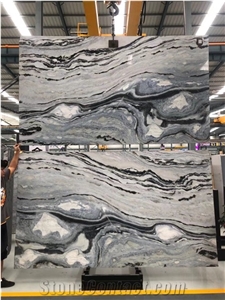
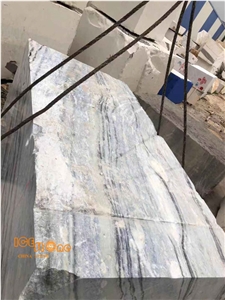
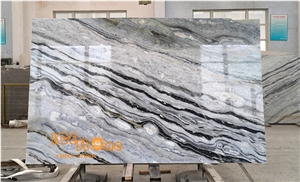
Blue Moon Valley Marble features a pale, translucent green-grey to soft celadon base with subtle cool blue undertones. It is characterized by angular, geometric, and fractured veining that creates a distinctive “broken ice” or crystalline mosaic pattern. Deeper grey-green linear bands traverse the surface, contrasting with the softer, cloud-like areas and creating a crisp, crystalline, and modern marble aesthetic, quarried in Türkiye.

Color & Appearance:

Blue Moon Valley Marble features a pale, translucent green-grey to soft celadon base with subtle cool blue undertones, creating a fresh, serene, and sophisticated appearance.

Texture & Structure:

Fine- to medium-grained crystalline texture with a compact structure and smooth, refined surface. Its slight translucency and crystalline character contribute to a luminous, contemporary appearance.

Pattern & Veining:

The marble is characterized by angular, geometric, and fractured veining that creates a distinctive broken-ice or crystalline mosaic pattern. Deeper grey-green linear bands traverse the surface, contrasting with the sharper fractured structure and giving the stone a crisp, modern aesthetic rather than a soft, cloud-like appearance.

Technical Characteristics (Indicative):

  • Water Absorption: 0.20–0.40% by weight
  • Density: 2690–2730 kg/m³
  • Flexural Strength: 10–13 MPa
  • Compressive Strength: 90–110 MPa
  • Open Porosity: 0.20–0.70%
  • Hardness: 3–4 Mohs

Mineral Composition (Indicative, % by weight):

  • Calcite: 88–96%
  • Dolomite: 1–5%
  • Quartz: 1–3%
  • Mica/Chlorite: 0–2%
  • Feldspar: 0–1%
  • Accessory Minerals: 0–2%

Chemical Composition (Indicative, % by weight):

  • CaCO₃: 86–94%
  • MgCO₃: 1–4%
  • SiO₂: 0.5–3%
  • Al₂O₃: 0.1–1%
  • Fe₂O₃: 0.1–1.5%
  • Other Oxides: 0–2%

Usage:

Suitable for interior flooring, wall cladding, feature walls, bathroom walls, vanity tops, countertops, backsplashes, fireplace surrounds, stairs, reception areas, tabletops, furniture, decorative panels, and luxury architectural applications. Selected translucent slabs may also be suitable for backlit installations.

Finishes:

Polished, honed, leathered, brushed, sanded, and custom finishes.

Maintenance:

Clean with a pH-neutral natural stone cleaner and a soft cloth or mop. Avoid vinegar, lemon juice, acidic cleaners, bleach, and abrasive products. Seal according to porosity and application, particularly for countertops, vanities, and bathroom surfaces. Wipe spills promptly to minimize staining and etching.

FAQ

Is Blue Valley Marble resistant to scratching?

Blue Valley Marble, like most marble, is a natural stone that is not highly resistant to scratching. Marble is composed primarily of calcite, which is a softer mineral and can be scratched by harder substances. It is generally less scratch-resistant compared to materials like granite or quartz. To maintain its appearance, its advisable to use cutting boards, avoid dragging heavy items across its surface, and regularly seal the marble to provide some level of protection. If scratch resistance is a high priority, you might want to consider alternative materials like granite or engineered quartz.

Does Blue Valley Marble bathroom countertop absorb water?

Blue Valley Marble, like other types of marble, is a natural stone that can be porous and may absorb water if not properly sealed. Marble is known for its beauty and elegance, but its porosity means it can be susceptible to staining and water absorption. To protect a marble countertop, its important to seal it regularly with a suitable stone sealant. This will help reduce its porosity and minimize the absorption of water and other liquids. Regular maintenance and cleaning with pH-neutral cleaners specifically designed for natural stone can also help preserve the marbles appearance and durability.

Is Blue Valley Marble suitable for exterior monuments in cold climates?

Blue Valley Marble, like many natural stones, can be suitable for exterior monuments in cold climates, but several factors should be considered to ensure its longevity and performance: 1. **Porosity**: Marble is generally a porous material, which means it can absorb water. This can be an issue in freezing climates, as water absorption followed by freezing and thawing cycles can lead to cracking and spalling. Its important to check the specific porosity level of Blue Valley Marble, as it can vary. 2. **Durability**: Marble is a softer and more porous stone compared to granite, making it less durable in harsh climates. Frequent freeze-thaw cycles can exacerbate any inherent weaknesses in the stone. 3. **Weather Resistance**: Ensure that Blue Valley Marble has been tested or rated for use in exterior applications in environments similar to the intended location. This includes resistance to frost, temperature fluctuations, and precipitation. 4. **Sealing**: Applying a high-quality sealant can help protect the marble by reducing its porosity and therefore its vulnerability to water absorption. Regular maintenance and resealing can extend the life of the marble in exterior settings. 5. **Installation**: Proper installation techniques, including adequate drainage and consideration of expansion and contraction due to temperature changes, are essential to prevent damage. 6. **Specific Characteristics**: The specific mineral composition and density of Blue Valley Marble can influence its performance. Consulting with a stone supplier or specialist who is familiar with this variety can provide insights into its suitability for cold climates. Overall, while Blue Valley Marble can potentially be used for exterior monuments in cold climates, it may require additional protective measures and maintenance compared to more robust materials like granite.

Can acidic foods damage Blue Valley Marble commercial bar countertop?

Yes, acidic foods can potentially damage Blue Valley Marble, or any marble countertop for that matter. Marble is a natural stone composed primarily of calcium carbonate, which reacts with acids. When acidic substances such as lemon juice, vinegar, or tomato sauce come into contact with marble, they can cause a chemical reaction that may result in etching or dull spots on the surface. To protect your Blue Valley Marble countertop, it is advisable to: 1. **Clean spills immediately**: Wipe up any acidic spills as soon as they occur to minimize contact time. 2. **Use cutting boards and trivets**: Always use cutting boards for food preparation and trivets for hot items to protect the surface. 3. **Seal the marble**: Apply a high-quality sealant as recommended by the manufacturer. This can help provide a protective barrier against stains and etching. 4. **Avoid harsh cleaners**: Use mild, pH-balanced cleaners specifically designed for marble to prevent damage over time. Taking these precautions can help maintain the appearance and longevity of your marble bar countertop.

Is Blue Valley Marble translucent or suitable for backlighting?

Blue Valley Marble is generally not known for being translucent. Most types of marble, including Blue Valley Marble, have a dense composition that doesnt allow much light to pass through, making them not the best choice for backlighting. For projects that require backlighting, materials like onyx or certain types of alabaster are more suitable, as they have a higher degree of translucency. However, its always a good idea to consult with a supplier or manufacturer to get specific information about the material and see if any particular treatments can enhance its translucency.

Can I put a cup of hot tea on Blue Valley Marble table top?

Blue Valley Marble is known for its durability and resistance to various elements, but placing a cup of hot tea directly on the marble tabletop could potentially cause issues over time. Marble is a natural stone that can be sensitive to heat and can be prone to thermal shock, which might lead to cracking or discoloration. Additionally, marble can stain easily from hot liquids that might spill or leave a ring mark from the heat. To protect your marble tabletop, it is best to use coasters or trivets when placing hot items on it. This practice can help prevent any potential damage and keep the marble looking beautiful over the long term.

Products & Prices

View More

Hot Marble

New Marble

Post Your Request

The request includes:
  1. surface finished, size
  2. quantity required