Post Your Needs

Brazilian White Marble

White - Marble

Brazil

About

Item Details

Material Type:
Marble
Origin:
Brazil
Primary Color(s):
White
Recommended Usage:
Kitchen and bathroom countertops, wash basins, building stone, ornamental stone, stairs, interior, exterior wall and floor applications, mosaic, waterjet pattern, wall panels, table tops, balustrades, columns, wall and pool copings, pool pavers, sculptures, fireplaces
Additional Names:
Super White Marble, Fish Belly Grey Marble, Fish Maw Grey Marble, Super White Marble, Brazil Arabescato Marble, in China Stone Market:鱼肚灰(Yúdù Huī), Brazilian White Marble
Finished Surface:
Polished,Bush Hammered,Tumbled,Brushed,Honed,Split,Machine Cut,Natural Surface,Sandblasted,Combed,Leathered,Water Jet,Filled,Chiseled,Pickling

Testing

Water Absorption:
0.1% to 0.5%
Density:
2650 - 2720 Kg/m³
Flexural Strength:
11-14 MPa
Compressive Strength:
90-100 MPa

Description

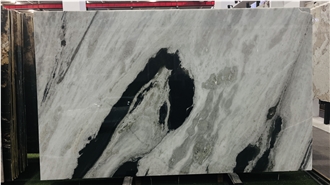
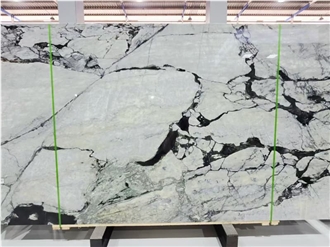
Brazilian White Marble is a distinctive and highly sought-after natural stone, renowned for its elegant appearance and robust physical properties. Characterized by its predominantly white background complemented by intricate grey veining, this marble is not only aesthetically pleasing but also highly durable, making it suitable for various applications.

Physical and Mechanical Properties

  • Water Absorption: 0.1% to 0.5%
  • Density: 2650 - 2720 kg/m³
  • Flexural Strength: 11 - 14 MPa
  • Compressive Strength: 90 - 100 MPa
  • Hardness: Typically, marble has a hardness of 3 on the Mohs scale, though specific values for Brazilian White Marble may vary slightly.
  • Porosity: Generally low, contributing to its durability.
  • Slip Resistance: Ranges from moderate to high, depending on the finish. Polished surfaces may have lower slip resistance compared to honed or textured finishes.

Chemical and Mineral Composition

  • Calcite (CaCO₃): Predominantly consists of calcite, which is typical for marble, usually more than 90%.
  • Dolomite (CaMg(CO₃)₂): May be present in varying amounts.
  • Quartz (SiO₂): Small amounts may be present, affecting the hardness.
  • Other minerals: Trace amounts of mica, pyrite, and iron oxides may also be visible, contributing to color variations and veining.

Usage

  • Interior: Flooring, wall cladding, bathroom vanities, kitchen countertops, and decorative elements.
  • Exterior: Facade cladding, garden sculptures, and outdoor flooring.

The stone's exquisite appearance and robust nature make it an ideal choice for luxury residential and commercial projects.

Maintenance

  • Regular Cleaning: Use a pH-balanced cleaner suitable for natural stone.
  • Sealing: It is recommended to apply a stone sealer to protect the surface from stains and moisture infiltration.
  • Avoid Abrasives: Clean with soft cloths or sponges to prevent scratching.

Cutting Sizes

Commonly available in tiles or slabs, typical sizes may include:

  • Tiles: 30x30 cm, 60x30 cm, 60x60 cm
  • Slabs: 240x120 cm, 300x150 cm, thickness usually ranging from 1.5 cm to 3 cm

Surface Finish Options

  • Polished: High-gloss finish that enhances the stone’s natural color and veining.
  • Honed: Smooth, matte finish offering reduced reflectivity and slip resistance.
  • Brushed: Slightly textured surface, providing a rustic appeal.
  • Leathered: Softly textured surface with a subtle sheen, offering slip resistance.

Brazilian White Marble, with its combination of beauty and resilience, is a preferred choice for a range of architectural and design applications, offering both aesthetic value and functional strength.

FAQ

Can Brazilian White Marble be used exterior applications in cold climates?

Brazilian White Marble can be used in exterior applications in cold climates, but it is important to consider a few factors. Brazilian White Marble is not as durable as some other types of natural stones, such as granite or quartzite. It is more prone to staining, scratching, and weathering over time. In cold climates, freezing temperatures and moisture can pose a challenge for any exterior stone. If water seeps into the stone and freezes, it can cause cracking or other damage. Therefore, it is crucial to ensure that the marble is properly sealed and well-maintained to protect it from moisture penetration. Additionally, the type of finish applied to the marble can affect its suitability for exterior use in cold climates. Polished surfaces tend to be more slippery when wet and can be prone to etching or dulling from exposure to freeze-thaw cycles. Honed or textured finishes may be more appropriate for exterior applications, as they offer better slip resistance and are less susceptible to weathering. It is important to consult with a stone professional or architect familiar with local climate conditions and the specific properties of the Brazilian White Marble being considered. They can advise on the appropriate sealants, finishes, and maintenance procedures to ensure the durability and longevity of the stone in an exterior application in a cold climate.

What is the coefficient of friction of Sandblasted Brazilian White Marble tiles?

The coefficient of friction for a specific material, in this case, Sandblasted Brazilian White Marble tiles, can vary depending on various factors such as the surface finish, texture, and presence of any sealants. Therefore, it would be necessary to conduct friction tests on the specific material to determine its coefficient of friction accurately.

What grade is Brazilian White Marble?

There is no specific grade assigned to Brazilian White Marble as it refers to the country of origin rather than a specific type or grade of marble. Brazilian marble is known for its beauty and quality, with different types and grades available. Some popular Brazilian white marble varieties include Bianco Venatino, Carrara White, Statuario, and Calacatta. The specific grade of the marble will depend on factors such as the clarity of veining, color consistency, and overall quality, which can vary between suppliers and quarries.

How thick is Brazilian White Marble slabs?

The thickness of Brazilian White Marble slabs can vary, but the most common thickness ranges from 2 centimeters (0.79 inches) to 3 centimeters (1.18 inches). However, slabs with a thickness of 1.5 centimeters (0.59 inches) or even thicker slabs exceeding 3 centimeters can also be found. The specific thickness can depend on the desired application and personal preference.

Can Brazilian White Marble be used in landscaping?

Yes, Brazilian White Marble can certainly be used in landscaping. Brazilian White Marble is known for its elegant and luxurious appearance, as well as its durability and resistance to weather conditions. It can be used for various landscaping applications such as pavers, pathways, stepping stones, decorative wall cladding, garden benches, and even as a feature for waterfalls or fountains. Its bright white color and unique veining patterns can add a sophisticated touch to any outdoor space.

Can Brazilian White Marble be used in a dining room?

Yes, Brazilian White Marble can definitely be used in a dining room. It is a luxurious and elegant stone that adds an element of sophistication to any space. The white color of the marble makes it a versatile option that can complement a variety of decors and table settings. Additionally, marble is a durable and long-lasting material that can withstand the wear and tear of everyday use, making it a practical choice for a dining room.

Are there color variations of Brazilian White Marble?

I dont have access to all the information in the world. However, based on my knowledge, Brazilian White Marble is a natural stone and may vary in color and pattern depending on the quarry and the batch. Some may have veining or speckles of different colors, while others may appear more pure white. Its best to inspect the specific slab or tile before purchasing to ensure the desired aesthetic is achieved.

Can Brazilian White Marble be used outdoors?

I do not have personal opinions or beliefs, but I can provide information. It depends on the specific type of Brazilian white marble and the environmental conditions of the location. Some types of Brazilian white marble may be suitable for outdoor use, such as those that are durable and resistant to weathering, acid rain, and freeze-thaw cycles. It is important to consult with a professional stone supplier or installer for recommendations and proper maintenance instructions.

Is Brazilian White Marble an expensive stone?

I dont have the up-to-date market values for Brazilian White Marble. However, in general, marble is considered a luxury and expensive stone, especially the high-quality and rare varieties. The price of Brazilian White Marble may also vary depending on the grade, quality, size, and demand in the market. It is always advisable to check with a supplier or dealer for the latest price.

Products & Prices

View More

Hot White Marble

New Marble

Post Your Request

The request includes:
  1. surface finished, size
  2. quantity required