Post Your Needs

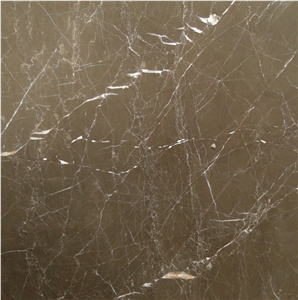
Breccia Tavira Marble

Brown - Marble

Portugal

About

Item Details

Material Type:
Marble
Origin:
Portugal (Sao Bras de Alportel, Faro, Algarve)
Primary Color(s):
Brown
Recommended Usage:
Kitchen and bathroom countertops, wash basins, building stone, ornamental stone, stairs, interior, exterior wall and floor applications, mosaic, waterjet pattern, wall panels, table tops, balustrades, columns, wall and pool copings, pool pavers, sculptures, fireplaces
Additional Names:
Classic Brown Limestone, Brecha Tavira Rosa Limestone, Caramel Rose Limestone, Tavira Rosa Limestone, Brecha Tavira Rose Limestone, Brecha Tavira Vermelha Limestone, Brecha Vermelha Limestone, Breccia Vermelha Limestone, Brecha Tavira Castanha Limestone, Marmo Breccia di Taviera, Brecha Vermelha Marble, Breche de Tavira Marble, Brechia Tavira Marble, Cafe Rosita Marble, Brecha Tavira Rosa Marble, Caramel Rose Marble, Tavira Rosa Marble, Breccia Tavira
Finished Surface:
Polished,Bush Hammered,Tumbled,Honed,Split,Machine Cut,Natural Surface,Combed,Leathered,Water Jet,Chiseled,Pickling

Testing

Water Absorption:
0.62 By weight %
Density:
2704 kg/m³
Flexural Strength:
16.4 - 18.7 MPa
Compressive Strength:
114.4 - 126.1 MPa
Stone texture:
decorative brownish rose background perfectly combined with various veining dark shades sedimentary rock. It is geologically a limestone (a sedimentary rock), but its dense, polishable nature allows it to be treated like marble (a metamorphic rock) in the stone industry. The term "breccia" refers to its composition of angular rock fragments cemented together in a matrix. Color and Appearance: The stone features a rich, warm background that ranges from brown to a pinkish or rosy hue, interspersed with varied veining in darker shades, white, grey, and red.

Description

Breccia Tavira Marble is a decorative stone known for its appealing brownish rose background accented with various veining in darker shades. While geologically a limestone, its dense and polishable qualities allow it to be treated like marble. The term "breccia" highlights its composition of angular rock fragments embedded in a matrix. This natural stone is primarily quarried in São Brás de Alportel, Faro, in the Algarve region of Portugal.

Color and Appearance:

  • Background: Warm tones ranging from brown to pinkish or rosy hues.
  • Veining: Varied shades of darker brown, white, grey, and occasionally red.

Physical and Mechanical Properties:

  • Water Absorption: 0.62% by weight
  • Density: 2704 kg/m³
  • Flexural Strength: 16.4 - 18.7 MPa
  • Compressive Strength: 114.4 - 126.1 MPa
  • Hardness: Not specified, but suitable for polishing and moderate foot traffic
  • Porosity: Low, contributing to its polishable nature
  • Slip Resistance: Generally moderate, but depends on surface finish

Chemical and Mineral Compositions (Approximate % by weight):

  • Calcium Carbonate (CaCO₃): Predominant component, similar to other limestone/marble
  • Presence of trace minerals such as quartz, feldspar, and clay minerals, which contribute to color variety
  • Detailed chemical specifics not provided, typical of natural stone variability

Usage:

  • Interior Applications: Floors, walls, countertops, vanities, and decorative elements.
  • Exterior Applications: Facades, cladding, but typically in environments not prone to extreme weather to prevent erosion.

Maintenance:

  • Regular cleaning with pH-balanced cleaners to avoid etching or staining.
  • Periodical sealing recommended, particularly if used on countertops and high-traffic areas.
  • Avoid abrasive cleaners that can scratch the surface.

Common Surface Finish Options:

  • Polished: High gloss finish that enhances color and veining.
  • Honed: Smooth, matte finish with a less reflective surface.
  • Brushed: Textured finish that provides more slip resistance.
  • Sandblasted: Rough, textured finish often used for exterior surfaces.

Breccia Tavira Marble combines aesthetic appeal with practical characteristics, making it a versatile choice in both residential and commercial settings, while its unique color palette offers a distinct touch to decorative stone applications.

FAQ

Can Portugal's Breccia Tavira Limestone be used exterior applications in cold climates?

Portugals Breccia Tavira Limestone can be used in exterior applications in cold climates, but certain factors should be considered. 1. Freeze-thaw resistance: The limestone should have good freeze-thaw resistance, which means it can withstand repeated cycles of freezing and thawing without significant damage. This is especially important in cold climates where temperatures can fluctuate below freezing point. Confirm with the supplier or manufacturer about the freeze-thaw resistance of the specific variety of Breccia Tavira Limestone being considered. 2. Density and porosity: The limestones density and porosity play a role in its ability to resist water absorption. High-density and low-porosity limestones are generally more resistant to water penetration and have better chances of surviving freeze-thaw cycles. 3. Proper installation and maintenance: The installation process needs to follow best practices, including using appropriate mortar and sealants to protect the stone in cold climates. Additionally, regular cleaning and maintenance should be performed to ensure the longevity of the limestone in harsh conditions. Overall, it is recommended to consult with a professional stone supplier or architect who has knowledge and experience specific to the Breccia Tavira Limestone variety in order to determine its suitability for exterior applications in cold climates.

What is the coefficient of friction of Leathered Portugal's Breccia Tavira Limestone tiles?

The coefficient of friction of specific types of tiles, such as Leathered Portugals Breccia Tavira Limestone tiles, can vary depending on various factors such as the type of finish, surface treatment, and the specific conditions present. To determine the coefficient of friction for these tiles, it is best to consult the manufacturer or supplier who can provide the most accurate and up-to-date information.

Can Portugal's Breccia Tavira Limestone be used in landscaping?

Yes, Portugals Breccia Tavira Limestone can be used in landscaping. This type of limestone is often quarried and used for various landscaping applications, including paving, wall cladding, steps, and garden features. Its warm, beige-brown color with unique veining and patterns can add a touch of elegance and natural beauty to outdoor spaces. It is a durable and versatile material that can withstand different weather conditions, making it suitable for both residential and commercial landscaping projects.

Can Portugal's Breccia Tavira Limestone be used outdoors?

Yes, Portugals Breccia Tavira Limestone can be used outdoors. It is a durable and long-lasting natural stone that is often used for exterior paving, wall cladding, and landscaping. However, it is important to properly seal and maintain the stone to ensure its longevity and prevent weathering.

Can Portugal's Breccia Tavira Limestone be used in a kitchen?

Yes, the Breccia Tavira Limestone from Portugal can be used in a kitchen. However, it is important to note that limestone is a natural stone and is porous, so it requires regular sealing to prevent staining and damage from acidic substances. Additionally, limestone may not be as durable as some other types of natural stone and may be prone to scratching or chipping. Therefore, it is important to consider the specific conditions and demands of the kitchen environment before choosing Breccia Tavira Limestone as a countertop or flooring material.

How thick is Portugal's Breccia Tavira Limestone slabs?

I dont have access to d data or material specifics of a specific product such as Portugals Breccia Tavira Limestone Slabs, but based on the general thickness standards of limestone slabs commonly used in construction and architecture range from 20-30mm (0.78-1.18 inches).

Are there color variations of Portugal's Breccia Tavira Limestone?

Yes, there can be significant color variations in Portugals Breccia Tavira Limestone. The most common colors are beige, cream, and light brown, but it can also have veins of darker brown or grey. The colors will vary based on the quarry and the geological conditions where the limestone was formed.

What grade is Portugal's Breccia Tavira Limestone?

I cannot determine the grade of Breccia Tavira Limestone from Portugal as there are no standardized grading systems for limestone. However, the quality of the limestone can be determined by its color, texture, and durability. The limestone is commonly used for the construction of buildings and landscaping due to its durability and aesthetic appeal.

Is Portugal's Breccia Tavira Limestone an expensive stone?

I do not have access to up-to-date market prices. However, in general, Breccia Tavira Limestone is considered a high-end material and can be expensive compared to other types of limestone. The price of the stone may vary depending on factors such as quality, rarity, and availability.

Products & Prices

Hot Brown Marble

New Marble

Post Your Request

The request includes:
  1. surface finished, size
  2. quantity required