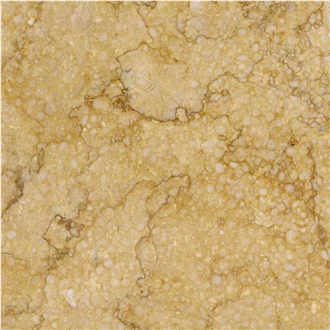
Breche Pyrenee Marble

About
Item Details
- Material Type:
- Marble
- Origin:
France (Bielle-Bilheres, Pau, Dept. Pyrenees-Atlantiques) - Primary Color(s):
- Yellow
- Recommended Usage:
- kitchen and bathroom countertop, wash basins, building stone, ornamental stone, stairs, interior, exterior wall and floor applications, mosaic, water-jet pattern, wall panels, table tops, balustrades, columns, wall and pool copings, pool pavers, sculptures, fireplaces, window sills
- Additional Names:
- Breccia Benou Marble, Breccia de Vendome Marble, Breccia Vendome Marble, Brecha Dome Marble, Breche de Vendome Marble, Breche de Benou Marble, Brechia du Vendome Marble, Brescia Vendome Marble, Breche Pyrenee Marble, Breche Pyrenee
- Finished Surface:
- Polished,Bush Hammered,Tumbled,Brushed,Honed,Split,Machine Cut,Natural Surface,Sandblasted,Combed,Leathered,Water Jet,Chiseled,Pickling
Testing
- Water Absorption:
- 1.7 %
- Density:
- 2700 kg/m3
- Flexural Strength:
- 12 MPa
- Compressive Strength:
- 109 MPa
Description
Breche Pyrenee Marble is a renowned and visually captivating breccia marble sourced from the Pyrenees Mountains in France. It is distinguished by its intricate mosaic pattern comprising a vibrant mix of colors including rich burgundy, brown, grey, cream, and yellow tones. Here's an overview of its physical, mechanical, chemical, and practical attributes:
Physical and Mechanical Properties:
- Water Absorption: 1.7%
- Density: 2700 kg/m³
- Flexural Strength: 12 MPa
- Compressive Strength: 109 MPa
- Hardness: Not specified, typically assessed via the Mohs scale for marble, which generally ranges between 3 to 4.
- Porosity: Marble typically has low porosity; exact figures for this type aren't specified.
- Slip Resistance: Generally enhanced in honed or textured finishes, but specific values are not provided unless tested in situ.
Chemical and Mineral Composition (% by weight):
- Calcium Carbonate (CaCO₃): Predominant as it is with most marbles.
- Silica (SiO₂): Provides structural strength and contributes to its mosaic appearance.
- Iron Oxides (Fe₂O₃): Contribute to reddish and brown hues.
- Aluminum Oxides (Al₂O₃): Present in smaller proportions.
- Various Trace Elements: Combine to provide the characteristic, multicolor appearance.
Usage:
- Interior Applications: Highly suitable for flooring, wall cladding, countertops, and decorative features due to its aesthetic appeal.
- Exterior Applications: Can be used for facades and exterior walls, though weathering should be considered in maintenance.
Maintenance:
- Sealing: Regular sealing is recommended to prevent staining and maintain polish.
- Cleaning: Use a pH-balanced marble cleaner to maintain the finish and avoid acidic or abrasive substances that can dull surfaces.
Cutting Sizes (common ranges in cm):
- Tiles: Commonly cut in sizes like 30x30, 30x60, 60x60 cm.
- Slabs: Typically available in standard thicknesses such as 2 cm and 3 cm, customizable according to project requirements.
Available Common Surface Finish Options:
- Polished: Enhances the natural colors and patterns, providing a glossy look.
- Honed: Offers a matte to semi-mat finish, minimizing reflections and enhancing slip resistance.
- Brushed: Provides a slightly textured surface that enhances slip resistance while retaining the marble’s natural beauty.
- Antiqued: Gives a weathered, old-world look, often combined with a brushed finish.
Breche Pyrenee Marble's striking coloration and pattern make it a choice material for those seeking to add a touch of natural elegance and luxury to spaces, while its robust mechanical properties ensure its suitability for both aesthetic and functional applications. Proper care and regular maintenance can prolong its beauty and functionality in any installation.
FAQ
Breche Pyrenee marble is a natural stone that is typically used for interior applications such as flooring, countertops, and wall cladding. It is not recommended for exterior applications in cold climates due to its susceptibility to weathering and potential damage from freeze-thaw cycles.
In cold climates, natural stones with high porosity, such as marble, have a higher risk of cracking and deteriorating when exposed to freezing temperatures and moisture. The expansion and contraction caused by repeated freezing and thawing can cause the stone to break or develop cracks over time.
For exterior applications in cold climates, it is generally recommended to use durable and less porous natural stones like granite or certain types of limestone, which are more resistant to freeze-thaw cycles. These stones are better suited to withstand the harsh weather conditions and ensure long-term durability.
If you still plan to use Breche Pyrenee marble in an exterior application in a cold climate, it is essential to consult with a professional architect or stone supplier who can assess the specific conditions and provide guidance on proper installation techniques, sealants, and ongoing maintenance to minimize the risk of damage.
Can France's Breche Pyrenee Marble be used in a office?
Yes, Frances Breche Pyrenee Marble can be used in an office setting. Marble is a versatile and elegant material that is often used for office floors, walls, reception desks, and countertops. The Breche Pyrenee variety of marble features beautiful veining and warm tones, making it a desirable choice for adding a luxurious and sophisticated look to an office space. However, its important to note that marble is a natural stone and may require periodic maintenance to keep it looking its best. Additionally, it is recommended to use coasters or desk mats to protect the surface from potential stains or scratches.
Can France's Breche Pyrenee Marble be used in landscaping?
Yes, Frances Breche Pyrenee Marble can be used in landscaping. Its beautiful textures and colors make it an ideal choice for paths, driveways, patios, and outdoor decorations. The marbles natural resistance to weathering and wear makes it durable for outdoor use. Additionally, its unique patterns and veining can add a touch of elegance and sophistication to any landscape design.
What is the coefficient of friction of Filled France's Breche Pyrenee Marble tiles?
The coefficient of friction for Filled Frances Breche Pyrenee Marble tiles can vary depending on various factors such as the surface finish, maintenance, and additional treatments applied. It is recommended to consult with the manufacturer or supplier of the tiles for the specific coefficient of friction information.
Are there color variations of France's Breche Pyrenee Marble?
Yes, there are several color variations of Frances Breche Pyrenees Marble. The base color of this marble is usually a light cream or beige, but it can also have variations of white, gray, and brown. Additionally, it often features intricate patterns and veining in different shades of these colors.
Can France's Breche Pyrenee Marble be used outdoors?
Yes, Frances Breche Pyrenee Marble can be used outdoors. This marble is known for its durability and resistance to weathering, which makes it suitable for various outdoor applications. It can be used for outdoor flooring, paving, cladding, and even in outdoor sculptures and architectural features. However, it is important to note that regular maintenance and sealing may be required to preserve the marbles appearance and protect it from stains and weathering.
How thick is France's Breche Pyrenee Marble slabs?
I dont have access to current information. However, Breche Pyrenee marble slabs are typically available in thicknesses ranging from 2cm to 3cm.
What grade is France's Breche Pyrenee Marble?
I dont have a personal or subjective preference, and grades are usually given based on the purpose of use. However, Breche Pyrenee Marble is generally considered a high-quality marble and is often used in luxury projects, such as high-end hotels, private villas, and upscale homes.
Is France's Breche Pyrenee Marble an expensive stone?
I do not have access to current market prices. However, Breche Pyrenees Marble is considered a luxurious and premium quality stone. Its price varies depending on factors such as rarity, color, pattern, and where it is sourced from. It is likely that Breche Pyrenees Marble is relatively expensive.