Post Your Needs

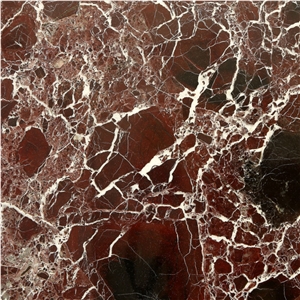
Breche Rouge Marble

Red - Marble

France

About

Item Details

Material Type:
Marble
Origin:
France (Cap Romarin, Narbonne, Languedoc-Roussilon)
Primary Color(s):
Red
Recommended Usage:
Kitchen and bathroom countertops, wash basins, building stone, ornamental stone, stairs, interior, exterior wall and floor applications, mosaic, waterjet pattern, wall panels, table tops, balustrades, columns, wall and pool copings, pool pavers, fireplaces, window sills
Additional Names:
Marbre Breche Rouge de France Romarin, Breche Rouge Marbre, Breche Nouvelle Rose Marble, Breche Rouge
Finished Surface:
Polished,Bush Hammered,Tumbled,Brushed,Honed,Split,Machine Cut,Natural Surface,Sandblasted,Combed,Leathered,Water Jet,Filled,Chiseled,Pickling

Testing

Water Absorption:
0.11 %
Density:
2670 kg/m3
Flexural Strength:
92.54 MPa
Compressive Strength:
6.59 MPa
Stone texture:
fine to medium crystalline matrix a natural red marble featuring a rich red base colour that can vary from deep crimson to slightly lighter red tones, often showing soft natural colour variations across the slab that give the surface warmth and visual depth while maintaining a predominantly red character suitable for bold, elegant architectural accents. Visually it provides a striking yet classic appearance that works well for countertops, wall and floor cladding, mosaics, fountains, stairs, and other design elements where a rich red natural stone adds visual impact.

Description

Appearance and Characteristics:
Breche Rouge Marble is a distinctive and elegant red marble, known for its rich and visually striking appearance. It features a predominately red color palette, ranging from deep crimson to lighter red tones, with natural color variations that add depth and warmth. Its fine to medium crystalline matrix gives it a classic and sophisticated look, making it suitable for various architectural accents.

Applications:
This marble is commonly used for:

  • Countertops
  • Wall and floor cladding
  • Mosaics
  • Fountains
  • Stairs
  • Other design elements where a rich, red natural stone is desired

Physical and Mechanical Properties:

  • Water Absorption: 0.11%
  • Density: 2670 kg/m³
  • Flexural Strength: 92.54 MPa
  • Compressive Strength: 6.59 MPa
  • Hardness: Marble is generally softer than granite, often rated around 3-4 on the Mohs scale.
  • Porosity: Typically low, contributing to the stone's durability and suitability for various applications.
  • Slip Resistance: Slip resistance can vary based on the finish, but polished surfaces tend to be more slippery than honed or textured finishes.

Chemical and Mineral Composition:

Chemical Composition (% by weight):

  • Calcite (CaCO3): Predominantly composed of calcite
  • Minor amounts of minerals like quartz, micas, hematite (contributing to the red coloration), and other trace elements

Mineral Composition:

  • Calcite: 95% +
  • Other minerals may include traces of iron oxides (e.g., hematite) and other silicates.

Usage and Maintenance:

Usage:

  • Interior Use: Ideal for home and office interiors due to its aesthetic appeal.
  • Exterior Use: Can be used outdoor; however, it may require sealing and regular maintenance to protect against weathering.

Maintenance:

  • Regular cleaning with a pH-neutral cleaner.
  • Periodic sealing to maintain its appearance and prevent staining.
  • Avoiding acidic substances on the surface to prevent etching.

Available Surface Finish Options:

  • Polished: Provides a high-gloss finish, enhancing the stone's color and pattern but may be more slippery.
  • Honed: A matte finish with less shine, offering a more natural look and better slip resistance.
  • Brushed/Antiqued: Provides a textured finish, enhancing the tactile quality of the stone.
  • Leathered: Offers a soft sheen and a slightly textured surface for a more refined finish.

Note: The availability of certain finishes or sizes might vary depending on the supplier and specific quarry output. Each slab is unique due to natural variations in the stone.

FAQ

Can France's Breche Rouge Marble be used exterior applications in very rainy climates?

Yes, Frances Breche Rouge Marble can typically be used for exterior applications in rainy climates. Marble is a natural stone that is known for its durability, and Breche Rouge Marble specifically is considered to be dense and resistant to weathering. However, it is always recommended to consult with a professional stone supplier or installer to ensure the suitability of the stone for specific outdoor conditions, as factors such as the type and intensity of rainfall, freeze-thaw cycles, and other environmental factors can affect the performance and longevity of the marble. Additionally, the stone should be properly sealed and maintained to protect it from moisture penetration and potential damage.

How thick is France's Breche Rouge Marble slabs?

There is limited information available regarding the exact thickness of Breche Rouge Marble slabs in France. The thickness of marble slabs can vary depending on the quarry and the specific requests of the customer. Typically, marble slabs can range in thickness from 2 cm (0.79 inches) to 3 cm (1.18 inches). For more specific information, it is best to contact a marble supplier or quarry directly.

Can France's Breche Rouge Marble be used in a bathroom?

Yes, Frances Breche Rouge Marble can be commonly used in bathrooms. Marble is a timeless and elegant choice for bathroom surfaces and is widely used for countertops, flooring, and even walls. However, it is important to note that marble is a natural stone and is porous, making it susceptible to staining and etching from certain acidic substances like citrus juices or vinegar. To protect the marble in a bathroom, it is recommended to properly seal the surface and use mild, pH-neutral cleaners specifically formulated for marble. Regular maintenance and care will help to preserve the beauty and functionality of the Breche Rouge Marble in a bathroom.

Can France's Breche Rouge Marble be used in landscaping?

Yes, Frances Breche Rouge Marble can be used in landscaping. The vibrant red and pink hues of this marble make it a striking choice for various applications in outdoor spaces. It can be used for features such as pathways, patios, garden walls, and decorative elements like fountains or benches. The unique patterns and color variations in the Breche Rouge Marble can add a touch of elegance and sophistication to any landscaping project. However, it is important to consider the durability and maintenance requirements of marble in outdoor settings, as it may require sealing and regular upkeep to prevent staining or damage.

What grade is France's Breche Rouge Marble?

Frances Breche Rouge Marble is typically classified as an A-grade marble. A-grade marble is considered to be of high quality, with consistent coloration, minimal veining, and a smooth texture.

Are there color variations of France's Breche Rouge Marble?

Yes, there are certain variations and color options available for Frances Breche Rouge marble. While the primary color of Breche Rouge marble is red, it can have different shades and intensities. The variations can range from a deep, rich red to a lighter, more pinkish hue. Additionally, some slabs might exhibit veins or patterns in different colors, such as white, beige, or even other shades of red. The exact color and pattern of Breche Rouge marble can vary depending on the specific quarry and the portion of the stone from which it is extracted.

Is France's Breche Rouge Marble an expensive stone?

I dont have access to up-to-date market prices. However, Breche Rouge marble is generally considered a medium to high-priced stone. The final cost of the marble depends on various factors like quality, size, thickness, and how it is cut and finished. Additionally, import/export taxes and transportation costs can also affect the overall price.

Products & Prices

Hot Red Marble

New Marble

Post Your Request

The request includes:
  1. surface finished, size
  2. quantity required