


 Iran
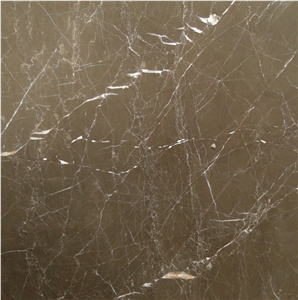
Can Iran's Brown Meridian Marble be used exterior applications in cold climates?
Irans Brown Meridian Marble can be used for exterior applications in cold climates with some considerations. Marble, being a natural stone, is generally durable and able to withstand cold temperatures. However, the specific properties of the Brown Meridian Marble and the installation techniques will play a crucial role in determining its suitability for exterior use in cold climates.
Here are a few factors to consider:
1. Frost resistance: Freezing and thawing cycles can cause expansion and contraction of materials, leading to cracks in less frost-resistant stones. It is important to check the frost resistance rating of the Brown Meridian Marble before using it in cold climates.
2. Water absorption: Marble, being a porous material, can absorb water. In cold climates, water absorbed by the stone may freeze, causing damage. It is necessary to seal the marble properly to minimize water absorption and potential issues related to freeze-thaw cycles.
3. Slip-resistance: Exterior applications in cold climates require considering slip-resistance, particularly when the marble is used in walkways or other areas prone to ice and snow accumulation. The surface texture and finish of the Brown Meridian Marble should provide adequate grip to reduce the risk of slips and falls.
4. Maintenance: Regular maintenance is necessary to ensure the longevity of the marble in cold climates. This includes proper sealing, cleaning, and periodic inspections for any signs of damage or wear.
It is recommended to consult with a professional stone supplier or contractor familiar with the specific attributes of the Brown Meridian Marble and the climate conditions of the intended location to determine its suitability for exterior applications in cold climates.

 8YR

 China


 India

 Turkey

 Spain


 Greece

