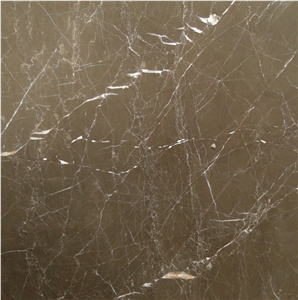
Chinas Brown River Marble, like other natural marbles, can be used for exterior applications in rainy climates, but it may not be the most ideal choice due to its inherent characteristics.
Marble is a metamorphic rock, composed mainly of calcium carbonate, and it is prone to certain vulnerabilities when exposed to moisture and other environmental elements. Here are a few factors to consider:
1. Porosity: Marble is generally porous, meaning it can absorb water to some extent. In very rainy climates, the constant exposure to moisture can lead to water infiltration into the marble, causing discoloration, staining, or even structural damage over time.
2. Freezing and thawing: If the temperature drops below freezing in a rainy climate, water that has been absorbed by the marble can freeze and expand, leading to cracks or spalling (breaking off of surface layers). This can be a particular concern for exterior applications.
3. Durability: While marble is a beautiful and elegant stone, it is not considered as durable and resistant as other natural stones, such as granite or certain types of sandstone. It can be more prone to etching, scratching, or weathering over time when exposed to harsh outdoor conditions.
If you do decide to use Chinas Brown River Marble for exterior applications in very rainy climates, it is important to take necessary precautions and maintenance measures to minimize potential issues. Applying a suitable sealant can help reduce water absorption and protect the surface. Regular cleaning and sealing maintenance will also help maintain the appearance and longevity of the marble.
It is advisable to consult with professionals or marble suppliers who have expertise in outdoor applications and can provide specific recommendations based on your location and climate conditions.


 China

 14YR


 India

 Turkey

 Spain


 Myanmar


 France
