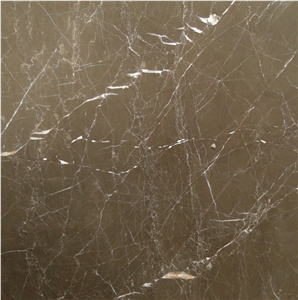
Brown St. Laurent Marble

About
Item Details
- Material Type:
- Marble
- Origin:
France (Laurens, Bedarieux, Beziers, Dept. Herault) - Primary Color(s):
- Brown
- Recommended Usage:
- Kitchen and bathroom countertops, monuments, building stone, ornamental stone, stairs, interior, exterior wall and floor applications, mosaic, waterjet pattern, wall panels, table tops, window sills, balustrades, columns, wall and pool copings, pool pavers, sculptures, fireplaces, pavers, cobbles, curbstone
- Additional Names:
- Brown Saint Laurent Marble, Brown San Laurent Marble, St. Laurent Brown Marble, Brown St Laurent Marble, Brown St. Laurent
- Finished Surface:
- Polished,Bush Hammered,Tumbled,Brushed,Honed,Split,Machine Cut,Natural Surface,Sandblasted,Combed,Leathered,Water Jet,Filled,Chiseled,Pickling
Testing
- Water Absorption:
- 0.10 By weight %
- Density:
- 2700 kg/m3
- Flexural Strength:
- 13.8 MPa
- Compressive Strength:
- 127 MPa
Description
Origin: Laurens, Bédarieux, Béziers, Département de l’Hérault, France
Type: Metamorphic Natural Marble
Appearance: Brown St. Laurent Marble is a distinctive and elegant French marble characterized by its deep chocolate-brown base color accented with contrasting veins in shades of orange, golden brown, and crisp white. The veining often forms flowing, irregular patterns, sometimes intersecting in fine, delicate lines and other times in bold streaks, creating a sense of natural movement and luxury.
Texture & Pattern
- Grain Size: Fine to medium crystalline structure
- Pattern Type: Random yet elegant veining in orange and white
- Lustre: Naturally high when polished due to fine calcite composition
- Feel: Smooth and cool to the touch under polished or honed finishes
Physical & Mechanical Properties
- Water Absorption: 0.10 % by weight
- Density: 2700 kg/m³
- Flexural Strength: 13.8 MPa
- Compressive Strength: 127 MPa
- Hardness (Mohs): ~3–4
Chemical Composition (% by weight)
- CaCO₃ (Calcium Carbonate): ~96%
- SiO₂ (Silica): ~1%
- Al₂O₃ (Alumina): ~0.5%
- Fe₂O₃ (Iron Oxide): ~0.5%
- MgCO₃ (Magnesium Carbonate): ~1%
- Others & Trace Elements: ~1%
Mineral Composition (% by weight)
- Calcite: ~95–97%
- Quartz: ~1%
- Mica / Other Accessory Minerals: ~2–3%
Common Uses
- Luxury interior flooring and wall cladding
- Feature walls and decorative panels
- Countertops, vanity tops, and bar tops
- Fireplace surrounds and mantelpieces
- Hotel lobbies, high-end retail spaces, and boutique interiors
- Luxury furniture inlays and tabletops
Maintenance
- Routine Cleaning: Use a pH-neutral cleaner specifically for natural stone
- Sealing: Recommended at least once a year to prevent staining
- Avoid: Acidic substances (wine, vinegar, citrus) and abrasive cleaners, as these can etch or scratch the surface
- Polish Restoration: Can be re-polished periodically to restore shine if dulled over time
Cutting Sizes (cm)
- Slabs: Standard range from 240–320 × 120–200 cm
- Tiles: Common sizes include 30 × 30, 30 × 60, 60 × 60, 60 × 120 cm
- Custom Cut-to-Size: Available for bespoke architectural and design applications
Surface Finish Options
- Polished: High gloss, accentuating the depth of the brown and the vibrancy of the veining
- Honed: Smooth, matte finish for a softer, contemporary look
- Brushed / Leathered: Slight texture that enhances the tactile quality while maintaining elegance
- Antiqued: Softly aged effect suitable for traditional or rustic designs
FAQ
Yes, Frances Brown St. Laurent Marble can generally be used for exterior applications in cold climates. However, it is important to note that marble is a natural stone and may be prone to cracking or damage in extreme temperature variations. Therefore, it is crucial to choose a high-quality marble, properly seal it, and ensure proper installation techniques that account for temperature fluctuations. Additionally, regular maintenance and sealing may be required to protect the marbles integrity in harsh weather conditions.
Can France's Brown St. Laurent Marble be used in landscaping?
Yes, Frances Brown St. Laurent Marble can be used in landscaping. It is a type of marble that is commonly used for flooring, walls, countertops, and landscaping projects. Its rich brown color and veining pattern make it an attractive choice for various outdoor applications such as patios, walkways, and garden paths. However, it is important to note that marble is a natural stone and may require regular maintenance to keep its appearance and durability intact in outdoor settings.
Can France's Brown St. Laurent Marble be used outdoors?
Yes, Frances Brown St. Laurent Marble can be used outdoors. This type of marble is known for its durability and ability to withstand extreme weather conditions, making it suitable for outdoor installations such as patio flooring, cladding, and paving. However, it is essential to properly seal and maintain the marble to protect it from staining and weathering over time.
What is the average flexural strength of France's Brown St. Laurent Marble?
There is no specific information available regarding the average flexural strength of Frances Brown St. Laurent Marble. Flexural strength can vary depending on factors such as the specific quarry and processing techniques used. It is recommended to contact marble suppliers or consult technical specifications provided by the manufacturer for more accurate and up-to-date information about the flexural strength of this particular marble variety.
What grade is France's Brown St. Laurent Marble?
Frances Brown St. Laurent Marble is often considered to be of high quality and is typically classified as a premium grade marble.
Can France's Brown St. Laurent Marble be used in a office?
Yes, Frances Brown St. Laurent Marble can be used in an office. It is a high-quality and elegant marble option that can add sophistication and beauty to any interior space. Its brown tones and unique veining pattern can create a warm and inviting atmosphere in an office setting. However, it is important to consider factors such as maintenance and durability requirements before choosing marble for an office, as marble is a natural stone that may require regular maintenance and sealing to keep it in good condition.
How thick is France's Brown St. Laurent Marble slabs?
I do not have access to specific information or data about Frances Brown St. Laurent Marble slabs. However, marble slabs can vary in thickness depending on the manufacturer and the desired application. The thickness can range from 1 cm to 3 cm or more. It is best to consult with a supplier or manufacturer for more specific information about the Brown St. Laurent Marble slabs you are interested in.
What is the coefficient of friction of Pickled France's Brown St. Laurent Marble tiles?
I cannot access the internet or provide specific information on the coefficient of friction of Pickled Frances Brown St. Laurent Marble tiles without being provided with the required data. Please provide more information.
Are there color variations of France's Brown St. Laurent Marble?
Yes, there are different color variations of Frances Brown St. Laurent Marble. The marble can range from dark brown with white veining to a lighter brown with beige or gold tones. The amount and color of veins and patterns also vary depending on the slab.
Is France's Brown St. Laurent Marble an expensive stone?
I cannot determine the current market price of the Brown St. Laurent Marble. However, marble is generally considered an expensive stone due to its rarity, durability, and aesthetic value. The cost of Brown St. Laurent Marble may depend on its quality, color, pattern, and availability.


15YR