Post Your Needs

Bulgari Crystal Marble

Marble

Brazil

About

Item Details

Material Type:
Marble
Origin:
Brazil
Recommended Usage:
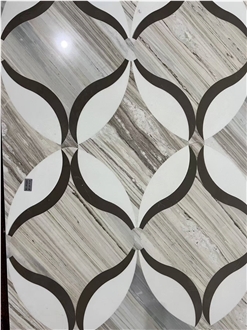
kitchen and bathroom countertop, wash basins, building stone, ornamental stone, stairs, interior wall and floor applications, mosaic, water-jet pattern, wall panels, table tops, balustrades, columns, fireplaces, luxury furniture
Additional Names:
Bulgari Crystal Black Marble, Bulgari Crystal White Marble, Bvlgari Crystal Marble, in China stone market:宝格丽水晶(Bǎogélì Shuǐjīng)
Finished Surface:
Polished,Bush Hammered,Tumbled,Brushed,Honed,Split,Machine Cut,Natural Surface,Sandblasted,Combed,Leathered,Water Jet,Chiseled,Pickling

Testing

Water Absorption:
0.20 - 0.40 %
Density:
2680 - 2750 kg/m³
Flexural Strength:
9 - 14 MPa
Compressive Strength:
85 - 125 MPa

Description

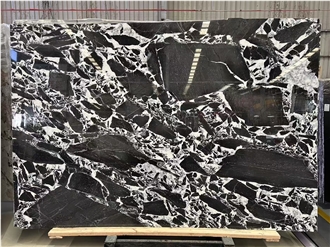
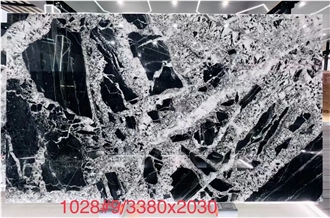
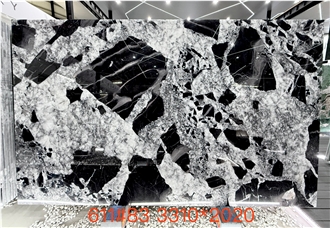
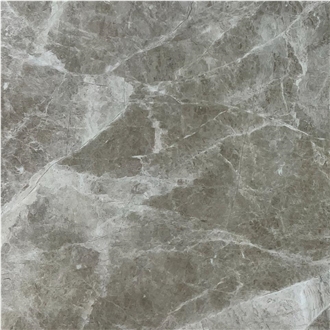
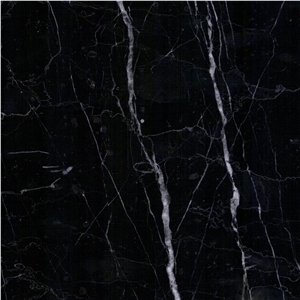
Bulgari Crystal Marble is an exotic natural marble quarried in Brazil, distinguished by its dramatic dark background and large, crystalline veining. The base ranges from deep charcoal grey to near-black, while bold milky-white to translucent grey-white veins sweep across the surface. The crystalline veins create a distinctive fractured or mosaic-like appearance, giving the stone a luxurious and highly decorative character.

Color

  • Deep charcoal grey to near-black background
  • Milky white to translucent grey-white veins
  • Occasional lighter grey crystalline areas
  • Strong contrast between the dark matrix and light mineral veins

Texture

The stone has a crystalline, medium- to coarse-grained texture. The prominent light veins may contain visibly interlocking crystals, producing a slightly granular or glassy appearance. Some areas can display translucent mineral zones that become particularly attractive under strong lighting or backlighting.

Pattern

Bulgari Crystal Marble has a bold, fractured and geometric pattern rather than conventional soft marble veining. Large white veins intersect and branch across the dark matrix, sometimes forming irregular mosaic, angular, brecciated or web-like structures. Because the stone is highly variable, slab-to-slab differences are expected. Bookmatching can create particularly dramatic symmetrical patterns.

Physical and Mechanical Properties

Representative values for comparable Brazilian exotic calcitic marbles; actual properties should be confirmed with a quarry-specific laboratory test report.

  • Apparent Density: 2,680–2,750 kg/m³
  • Water Absorption: 0.20–0.40 %
  • Open Porosity: 0.2–1.2 %
  • Compressive Strength, Dry: 85–125 MPa
  • Compressive Strength, Wet: 70–105 MPa
  • Flexural Strength, Dry: 9–14 MPa
  • Flexural Strength, Wet: 7–11 MPa
  • Abrasion Resistance: 18–30 mm
  • Mohs Hardness: Approximately 3–4

Chemical Composition

Typical composition may include: Component Approx. % by Weight

  • CaO: 48–54%
  • SiO₂: 2–10%
  • MgO: 0.5–4%
  • Al₂O₃: 0.1–2%
  • Fe₂O₃: 0.1–1.5%
  • Na₂O: 0–1%
  • K₂O: 0–1%
  • Loss on Ignition: 40–43%

The exact chemistry can vary significantly because the crystalline veins may contain higher proportions of silica-bearing minerals or other accessory minerals.

Mineral Composition

Typical mineral composition:

  • Calcite: approximately 70–90%
  • Quartz: approximately 5–20%
  • Dolomite: 0–5%
  • Feldspar: 0–5%
  • Mica and other accessory minerals: 0–3%

The striking white crystalline zones may be enriched in calcite and/or quartz, depending on the individual quarry block.

Recommended Applications

Bulgari Crystal Marble is particularly suited to high-end interior and decorative applications, including:

Luxury wall cladding, Feature walls, Lobby and reception areas, Hotel interiors, Fireplace surrounds, Bathroom walls, Vanity tops, Kitchen islands and countertops, Bar counters, Tabletops, Decorative furniture, Sculptural applications, Bookmatched feature panels, Backlit decorative installations where translucency permits

For kitchen countertops and heavily used surfaces, professional fabrication and sealing are recommended.

Maintenance

Bulgari Crystal Marble is a calcium-carbonate-based natural stone and should be protected from acidic substances.

  • Clean with a pH-neutral stone cleaner.
  • Avoid vinegar, lemon, acidic descalers and strong bathroom cleaners.
  • Wipe spills promptly, particularly oils, wine, coffee and acidic liquids.
  • Apply a suitable penetrating sealer after installation.
  • Reseal periodically according to the level of use.
  • Use cutting boards and protective mats on countertops.
  • Avoid abrasive powders and harsh cleaning pads.
  • Test cleaning and sealing products on a small area before full application.

Due to its dramatic crystalline veining and natural variation, slab selection is particularly important. For luxury projects, matching slabs from the same block and using bookmatching can maximize the visual impact of Bulgari Crystal Marble.

FAQ

Is 18 mm thickness Bulgari Crystal Marble good for a commercial bathroom top?

Using 18 mm thick Bulgari Crystal Marble for a commercial bathroom countertop can be a suitable choice, but there are several factors to consider: 1. **Durability**: Marble is a natural stone and is generally durable, but it is softer and more porous compared to stones like granite. In a high-traffic commercial setting, it can be prone to scratching, staining, and etching from acidic substances. Regular sealing can help mitigate this, but maintenance is crucial. 2. **Aesthetic Appeal**: Bulgari Crystal Marble is known for its luxurious appearance. Its elegant and unique veining can add a high-end feel to the bathroom, which can be beneficial in commercial settings such as hotels or upscale restaurants. 3. **Thickness**: 18 mm is a typical thickness for marble slabs used in countertops. Its generally sufficient for providing a sturdy surface. However, the choice of edge profile and support structures (like under-mount cabinetry) will influence its overall durability and performance. 4. **Cost**: Marble, especially high-quality and exotic types like Bulgari Crystal, can be expensive. Consider whether the aesthetic benefits justify the cost. 5. **Maintenance**: Commercial bathrooms require surfaces that are easy to clean and maintain. While marble can be kept in good condition with routine care, some extra effort is necessary to ensure it remains stain-free and polished. 6. **Slip Resistance**: If the countertop edges are likely to come into contact with water, consider the slip resistance of the polished surface to prevent accidents. If these considerations align with your project requirements, 18 mm Bulgari Crystal Marble can be a good choice for a commercial bathroom top. Otherwise, you might want to explore alternative materials that offer enhanced durability and lower maintenance.

Can I use bleach when cleaning a Bulgari Crystal Marble kitchen countertop?

Its generally not recommended to use bleach on a Bulgari Crystal Marble kitchen countertop, or any natural stone surface. Bleach is a harsh chemical that can damage the finish and potentially cause discoloration or etching of the stone. Instead, use a mild dish soap or a cleaner specifically formulated for natural stone surfaces. Be sure to wipe up any spills promptly, and regularly sealing the countertop as recommended by the manufacturer can help maintain its appearance and durability. For tough stains or specific cleaning concerns, consulting the care guide provided by Bulgari or reaching out to a stone care professional may be beneficial.

How to sanitize Bulgari Crystal Marble commercial bath countertops?

To sanitize Bulgari Crystal Marble commercial bath countertops, follow these steps to ensure the surface is cleaned safely without causing damage: 1. **Gather Materials**: - pH-neutral cleaner specifically designed for natural stone. - Soft cloths or microfiber towels. - Warm water. - A soft-bristle brush or non-abrasive sponge (optional). - A spray bottle (optional). 2. **Preparation**: - Clear the countertop of any personal items or clutter. - Dust off any loose debris using a dry, soft cloth. 3. **Cleaning**: - Mix the pH-neutral cleaner with warm water according to the product’s instructions. If using a spray bottle, dilute the mixture and pour it into the bottle. - Gently wipe down the countertop using a soft cloth dipped in the cleaning solution. Alternatively, you can spray the solution directly onto the surface and then wipe. - For any stubborn spots, use a soft-bristle brush or a non-abrasive sponge. Avoid scrubbing too hard to prevent scratching the marble. 4. **Rinsing**: - Once the entire surface is cleaned, rinse the countertop by wiping it with a cloth dampened with clean water. Make sure to remove all cleaning residues to prevent streaks or smudging. 5. **Drying**: - Dry the countertop with a clean, dry microfiber towel to prevent water spots or streaks. 6. **Polishing** (Optional): - If desired, you can polish the countertop using a product specifically designed for natural stone. 7. **Preventive Care**: - Regularly clean the countertop with a soft cloth to remove dust and prevent buildup. - Avoid placing hot items directly on the countertop and use coasters or mats to prevent scratches and stains. - Promptly clean up any spills, especially from acidic substances like lemon juice or vinegar, as these can etch the stone. 8. **Professional Maintenance**: - Consider resealing the marble periodically (typically every 1-2 years) to maintain its resistance to stains and etching. This is best done by a professional. By following these steps, you can maintain the appearance and longevity of your Bulgari Crystal Marble countertops while ensuring they remain sanitary for use in commercial settings.

How can I remove rust stains from a Bulgari Crystal Marble kitchen countertop?

Removing rust stains from a Bulgari Crystal Marble kitchen countertop requires careful attention to avoid damaging the delicate surface. Marble is a porous stone that can be etched or damaged by acidic or abrasive materials, so its important to use mild methods. Here’s a step-by-step guide: 1. **Materials Needed:** - Mild dish soap - Baking soda - Hydrogen peroxide (3% solution) - Soft cloths or sponges - Plastic wrap - Plastic scraper or soft-edged spatula - Painters tape 2. **Initial Cleaning:** - Wipe the stained area with a soft cloth dampened with warm water and a few drops of mild dish soap. This will remove any surface-level dirt or grime, which can interfere with stain removal. 3. **Make a Poultice:** - Mix baking soda with hydrogen peroxide to create a thick paste. The paste should be the consistency of peanut butter. 4. **Application:** - Apply the paste directly onto the rust stain. Make sure the stain is completely covered with a layer about ? inch thick. 5. **Cover with Plastic Wrap:** - Cover the poultice with plastic wrap and use painters tape to secure the edges. This helps keep the poultice moist and prolongs the absorption process. 6. **Allow to Sit:** - Let the poultice sit for 12 to 24 hours. This duration allows the paste to draw out the rust particles from the marble. 7. **Remove the Poultice:** - After the waiting period, carefully remove the plastic wrap and use a plastic scraper or soft-edged spatula to lift the dried paste from the surface. 8. **Final Cleaning:** - Wipe down the area with a damp soft cloth to remove any residual paste. Ensure all traces of the poultice are removed to prevent any possible damage. 9. **Inspect and Repeat:** - Check the stain. If it hasn’t completely disappeared, repeat the process. It may take a few applications for more stubborn stains. 10. **Seal the Marble:** - Once the stain is removed, consider sealing your marble countertop if it has not been sealed, as this can help prevent future stains. Use a marble-specific sealer, following the instructions on the product. **Additional Tips:** - Always test any cleaning method on a small, inconspicuous area first to ensure it won’t damage the marble. - Avoid using acidic cleaners like vinegar and lemon juice, which can etch marble. - Promptly clean any spills to prevent staining and routinely maintain your marble countertop with appropriate marble cleaner. If the stain persists despite multiple attempts, consider consulting a professional stone conservator.

How can I clean the grout of Bulgari Crystal Marble wall tiles?

Cleaning the grout of Bulgari Crystal Marble wall tiles requires careful attention to ensure the tiles and grout are not damaged. Here’s a step-by-step guide: 1. **Initial Dusting**: - Use a soft, dry microfiber cloth or a dusting tool to remove any loose dirt or dust from the marble tiles and grout. 2. **Choosing the Right Cleaner**: - Use a pH-neutral cleaner specifically formulated for use on marble. Avoid acidic cleaners like vinegar or lemon juice, as they can etch the marble. 3. **Preparing a Cleaning Solution**: - Dilute the pH-neutral cleaner in water according to the manufacturer’s instructions. 4. **Application**: - Dampen a soft sponge or cloth in the cleaning solution and apply it gently to the grout lines. Ensure the sponge is not too wet to avoid excess moisture. 5. **Scrubbing the Grout**: - Use a soft-bristled brush or a toothbrush to scrub the grout gently. Be careful not to apply too much pressure, which could scratch the marble tiles. 6. **Rinsing**: - After scrubbing, rinse the area with clean, lukewarm water to remove any remaining cleaning solution. Use a damp cloth to wipe off residues. 7. **Drying**: - Pat the area dry with a soft, clean towel to prevent water spots on the marble. 8. **For Stubborn Stains**: - If stains persist, you can create a paste with baking soda and water for extra cleaning power. Apply it to the grout and let it sit for a few minutes before scrubbing gently. However, ensure minimal contact with the marble to prevent scratching or damage. 9. **Sealing the Grout**: - Once the grout is thoroughly clean and dry, consider applying a grout sealer to protect against future stains. Ensure the sealer is suitable for use with marble tiles. 10. **Regular Maintenance**: - Regularly dust and clean the tiles and grout to prevent buildup. Address spills or stains promptly to maintain the beauty of your marble tiles. Always test any cleaning products or methods in an inconspicuous area before proceeding to ensure compatibility with your specific marble tiles.

Bulgari Crystal Marble has its own natural veins. If I use it as table top, will it break along these veins?

Bulgari Crystal Marble, like other types of natural stone, often features veins that add to its aesthetic appeal. These veins are natural inclusions within the stone and can vary in color, thickness, and pattern. While they contribute to the beauty of the marble, they can also represent areas of potential weakness, as the material may be less uniformly dense along these lines. However, whether or not the marble will break along these veins when used as a tabletop depends on several factors: 1. **Installation and Support**: Proper installation with adequate support can significantly reduce the risk of cracking. Ensuring the tabletop is well-supported across its entire surface can help distribute weight evenly and reduce stress on specific points. 2. **Quality of Material**: Higher quality marble with fewer imperfections and more evenly distributed veining is less likely to be structurally compromised. Inspect the quality of the marble before using it as a tabletop. 3. **Thickness**: Thicker slabs are generally more robust and less likely to suffer from breakage. Opting for a thicker piece can provide more structural integrity. 4. **Use and Care**: How you use and maintain the table also plays a role. Avoid placing extremely heavy items on the table and be cautious to prevent impacts or concentrated loads that might stress the veins. 5. **Sealing and Maintenance**: Regular sealing of the marble can also help protect it from moisture and other factors that might potentially cause issues over time. In general, while there is always some risk with natural stone that contains veins, proper precautions and care can minimize the chances of the marble breaking along these lines. If you are particularly concerned, consulting with a professional stone fabricator or installer can provide reassurance and guidance specific to your needs.

Products & Prices

Hot Marble

New Marble

Post Your Request

The request includes:
  1. surface finished, size
  2. quantity required