Post Your Needs

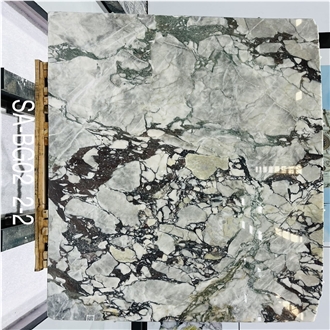
Bulgari Marble

Marble

China

About

Item Details

Material Type:
Marble
Origin:
China
Recommended Usage:
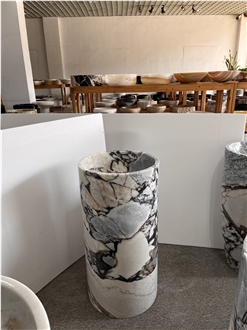
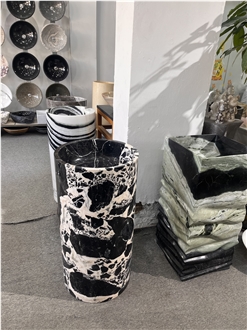
kitchen and bathroom countertop, wash basins, building stone, ornamental stone, stairs, interior, exterior wall and floor applications, mosaic, water-jet pattern, wall panels, table tops, balustrades, columns, wall and pool copings, pool pavers, sculptures, fireplaces, window sills
Additional Names:
Bvlgari Marble, Bvlgari Black Marble, Chinese White Calacatta Marble, China Arabescato Marble, Han White Marble, Chinese White Marble, in China stone market:汉白玉(Hànbáiyù), 宝格丽 (Bǎo Gé Lì), Bulgari Marble
Finished Surface:
Polished,Bush Hammered,Tumbled,Brushed,Honed,Split,Machine Cut,Natural Surface,Sandblasted,Combed,Leathered,Water Jet,Chiseled,Pickling

Testing

Water Absorption:
0.15 - 0.40 % by weight
Density:
2680 - 2720 kg/m³
Flexural Strength:
9 - 13 MPa
Compressive Strength:
100 - 130 MPa

Description

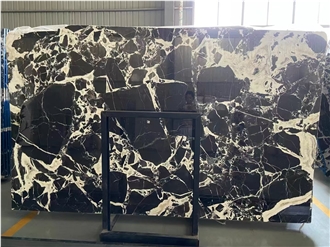
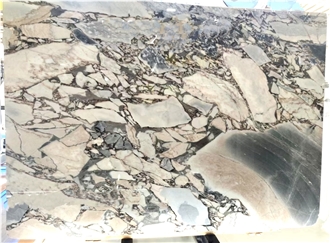
Bulgari Marble is a distinctive luxury natural marble quarried in China, recognized for its dramatic contrast between a creamy white to ivory background and bold dark-grey to black veining. The stone has a sophisticated, high-contrast appearance, with sweeping and irregular veins flowing across the surface. Subtle crystalline sparkles and small mineral inclusions may be visible within the stone, adding depth, movement and texture.

General Characteristics

  • Base Color: Creamy white to ivory
  • Veining: Dark grey, charcoal to black
  • Pattern: Dramatic, sweeping and irregular
  • Texture: Fine- to medium-grained crystalline texture
  • Appearance: High-contrast, luxurious and expressive
  • Mineral Character: Occasional crystalline sparkles and small mineral inclusions
  • Variation: Medium to high, depending on quarry block
  • Recommended Finishes: Polished, honed, leathered, brushed and sandblasted

Texture & Pattern

Bulgari Marble has a crystalline, compact texture with a predominantly light-colored matrix. Its most distinctive feature is the strong dark veining, which can form broad, sweeping movements across the slab. The veins vary naturally from thin, delicate lines to wider charcoal and black formations. Some areas may contain subtle crystalline reflections or small mineral inclusions that become more apparent under polished finishes. The combination of the ivory background and dramatic dark movement makes the material particularly suitable for large-format slabs and bookmatched installations.

Indicative Physical & Mechanical Properties

The following values represent indicative ranges for comparable Chinese carbonate marbles. They should not be considered certified test results for every Bulgari Marble quarry block.

  • Apparent Density: 2,680–2,720 kg/m³
  • Water Absorption: 0.15–0.40% by weight
  • Open Porosity: 0.3–2.0%
  • Compressive Strength: 100–130 MPa
  • Flexural Strength: 9–13 MPa
  • Abrasion Resistance: 15–30 cm³/50 cm²
  • Mohs Hardness: Approx. 3–4
  • Freeze-Thaw Resistance: Project-specific testing recommended

Note: Actual technical values can vary according to quarry location, geological formation, block selection and laboratory testing method. For commercial projects, the supplier should provide current laboratory reports for the specific material.

Mineral Composition

Bulgari Marble is expected to be predominantly carbonate-based, with calcite as the principal mineral and variable amounts of dolomite and accessory minerals. Indicative mineral composition: Mineral Approx. % by Weight

  • Calcite80–95%
  • Dolomite2–15%
  • Quartz0.5–3%
  • Mica / Feldspar0.1–2%
  • Other accessory minerals<2%

The exact mineralogical composition may vary between quarry benches and blocks. The dark veining may be associated with carbonaceous, silicate or other accessory mineral phases.

Chemical Composition

Indicative chemical composition: Chemical Component, Approx. % by Weight

  • CaCO₃: 80–95%
  • MgCO₃: 2–10%
  • SiO₂: 0.5–5%
  • Al₂O₃: 0.1–1.5%
  • Fe₂O₃: 0.1–1.5%
  • Other oxides: <1%

These values are indicative and should be verified through a laboratory analysis of a representative sample from the specific quarry.

Recommended Applications

Bulgari Marble is particularly suitable for luxury architectural and interior applications, including:

Feature walls, Large-format wall cladding, Bookmatched wall panels, Interior flooring, Luxury residential interiors, Hotel and hospitality projects, Kitchen countertops, Kitchen islands, Bathroom vanity tops, Bathroom wall cladding, Fireplace surrounds, Reception desks and counters, Dining and coffee tables, Furniture, Staircases and steps, Columns, Decorative architectural elements, Mosaics, Waterjet designs

The dramatic contrast makes it especially effective for statement walls and bookmatched slabs.

Exterior applications should be evaluated according to the project's climate, freeze-thaw conditions, water exposure and selected finish.

Maintenance

Bulgari Marble is a carbonate-based natural stone and requires appropriate marble maintenance.

  • Apply a suitable penetrating stone sealer, especially in kitchens and bathrooms.
  • Clean regularly using a pH-neutral natural-stone cleaner.
  • Avoid vinegar, lemon juice and other acidic products.
  • Avoid abrasive powders and aggressive cleaning pads.
  • Clean spills promptly, especially wine, coffee, oils and acidic foods. Use cutting boards and trivets on countertops.
  • Periodically inspect the sealer and reseal when necessary.
  • Avoid prolonged exposure to harsh chemicals.
  • For flooring, use non-abrasive cleaning equipment to protect the surface.

FAQ

How can I repair the scratched surface of the Bulgari Marble steps?

Repairing scratched Bulgari Marble steps requires careful cleaning and maintenance to restore their natural elegance. Here’s a step-by-step guide to help you: 1. **Assess the Damage**: Determine the depth and extent of the scratches. Superficial scratches are easier to fix, while deep ones may require professional restoration. 2. **Clean the Surface**: Remove any dust, debris, or dirt from the marble. Use a soft microfiber cloth and a pH-neutral cleaner suitable for marble. 3. **Light Scratches**: - **Polishing Powder**: Purchase a marble polishing powder from a hardware store or online. Following the manufacturer’s instructions, apply the powder to the scratched area. - **Buffing**: Use a damp, soft cloth or a low-speed buffer to gently buff the surface in a circular motion. Be patient and thorough, as this may take some time. 4. **Medium Scratches**: - **Wet/Dry Sandpaper**: Use very fine grit sandpaper (starting with 2000 grit). Wet the sandpaper and gently sand the scratched area in a circular motion. Wipe away any slurry created during sanding and check the progress regularly. - **Progressively Finer Grits**: Gradually use finer grit sandpaper (up to 3000 or 4000) to smooth the surface. 5. **Deep Scratches**: For deeper scratches, it might be necessary to seek professional help. Professionals can use diamond abrasives and specialized equipment to properly resurface the marble. 6. **Polish and Seal**: - After addressing the scratches, polish the entire step using a commercial marble polish to restore the shine. - Apply a marble sealer to protect the surface from future damage. Follow the instructions for application and curing time from the sealer manufacturer. 7. **Regular Maintenance**: - Clean regularly with a soft cloth and a marble-friendly cleaner. - Avoid abrasive cleaners or materials that can scratch the marble surface. **Note**: Always test products and procedures on a small, inconspicuous area first to ensure they do not damage the marble further. If you are unsure or inexperienced, consider consulting a professional with experience in repairing and maintaining marble surfaces.

Can I mix cleaning vinegar and Dawn dish soap together to clean a Bulgari Marble countertop?

Cleaning a Bulgari Marble countertop requires careful consideration to avoid damaging the surface. While vinegar and Dawn dish soap are popular cleaning agents, they may not be suitable for use on natural stone surfaces like marble. Vinegar is acidic and can etch marble, causing dull spots or damage over time. Its generally advisable to avoid using vinegar or any other acidic cleaners on marble surfaces. Dawn dish soap is less harsh and can be used on marble, but when mixing it with water, ensure its well-diluted. For cleaning Bulgari Marble countertops, its best to use a pH-neutral cleaner formulated for natural stone surfaces. Alternatively, you can make a mild soap solution with a small amount of non-acidic, gentle dish soap and warm water. Apply it with a soft cloth or sponge, and rinse the surface thoroughly with clean water to avoid any soap residue. Always dry the countertop with a soft towel to prevent water spots. If youre unsure, its a good idea to consult with the manufacturer or a professional stone cleaner for specific care instructions for your marble countertop.

Can Bulgari Marble be used as paving stone in areas with heavy snowfall in winter? Is it frost-resistant?

Bulgari Marble can be used as a paving stone, but there are a few considerations to take into account when using it in areas with heavy snowfall and freezing temperatures. Marble, in general, is a natural stone that can be sensitive to extreme weather conditions. 1. **Porosity and Water Absorption**: Marble is more porous than some other stones, meaning it can absorb water. If water penetrates the marble and freezes, it can cause the stone to crack or become damaged over time. Therefore, proper sealing is crucial to enhance its water resistance. 2. **Frost Resistance**: While some marbles are more frost-resistant than others, marble is generally not the most frost-resistant choice compared to granite or certain types of engineered stone. Its important to verify the specific frost resistance ratings or consult with the supplier about the suitability of Bulgari Marble for such applications. 3. **Maintenance**: Regular maintenance, including resealing and cleaning to remove snow and ice, is essential to preserve the marbles integrity in harsh climates. 4. **Alternative Options**: For areas with heavy snowfall and freeze-thaw cycles, it might be worth considering other stone options specifically rated for high frost resistance, like granite or certain engineered stones. In conclusion, while Bulgari Marble can technically be used as paving in snowy areas, it requires careful consideration regarding installation, sealing, and ongoing maintenance to ensure its longevity and appearance in such conditions.

If I use Bulgari Marble as a bar countertop, will alcoholic drinks damage its surface over time?

Using Bulgari Marble—or any marble, for that matter—as a bar countertop can be a beautiful choice but one that requires careful consideration due to marbles sensitivity. Marble is a porous natural stone, which means it can be susceptible to staining and etching, particularly from acidic substances. Many alcoholic beverages, such as wine, beer, and cocktails, are acidic and can lead to etching (a dulling or discoloration of the surface) over time if spilled and not cleaned up promptly. Here are some key points to consider: 1. **Sealing**: Regularly sealing the marble can help protect it from stains and etching. However, no sealant can make marble completely impervious to acidic substances. 2. **Spills**: Clean up spills immediately to minimize the risk of damage. Use a soft cloth or sponge and avoid abrasive cleaners that can scratch the surface. 3. **Coasters and Mats**: Use coasters and mats to protect the surface from direct contact with drinks, especially those that are acidic. 4. **Maintenance**: Regular maintenance and cleaning with pH-neutral cleaners specifically designed for marble will help preserve its appearance. 5. **Patina**: Be aware that, over time, marble will develop a patina—a change in texture and color that some people find appealing. However, if you prefer a pristine appearance, marble might require more maintenance than other materials. While marble can certainly be used for a bar countertop, its important to be aware of these considerations and be prepared for the maintenance involved to keep it looking its best.

How can I remove mold from Bulgari Marble wall tiles?

To remove mold from Bulgari Marble wall tiles, its important to use methods that wont damage the stone. Heres a step-by-step guide: 1. **Wear Protective Gear**: Put on gloves, a mask, and eye protection to prevent exposure to mold and cleaning agents. 2. **Ventilation**: Ensure the area is well-ventilated. Open windows and turn on exhaust fans to help dissipate fumes from cleaning products. 3. **Prepare a Cleaning Solution**: Mix mild dish soap with warm water. Avoid acidic cleaners like vinegar or lemon juice, as they can damage marble. Alternatively, you can use a specialized stone cleaner that is safe for marble. 4. **Test a Small Area**: Before cleaning the entire surface, test the solution on a small, inconspicuous area of the marble to ensure it doesnt cause discoloration or damage. 5. **Apply the Solution**: Damp a soft cloth or sponge with the cleaning solution and gently scrub the moldy areas. Do not use abrasive pads or brushes that can scratch the marble. 6. **Rinse and Dry**: Thoroughly rinse the area with clean water to remove any soap residue. Use a separate clean cloth to wipe away excess moisture and dry the surface. 7. **Hydrogen Peroxide for Stubborn Mold**: If mold persists, you can use hydrogen peroxide. Apply a small amount on a soft cloth and gently dab the affected areas. Allow it to sit for a short period, then rinse and dry well. Again, test this on a small area first, and use cautiously. 8. **Prevent Future Mold**: To prevent mold from returning, maintain low humidity levels in the area, clean regularly, and fix any leaks or moisture problems. Always ensure that any cleaning product you use is safe for use on marble, as harsh chemicals can lead to etching or dulling of the stones finish.

Will a hot pot leave a mark on a Bulgari Marble kitchen countertop?

Bulgari Marble, like many natural stones, can be sensitive to heat. Placing a hot pot directly on the marble surface can potentially lead to damage or leave a mark. The heat may cause discoloration or thermal shock, which could result in cracks. Its always a good practice to use trivets or heat pads to protect the marble surface from hot cookware to maintain its appearance and prevent any damage.

Products & Prices

View More

Hot Marble

New Marble

Post Your Request

The request includes:
  1. surface finished, size
  2. quantity required