Post Your Needs

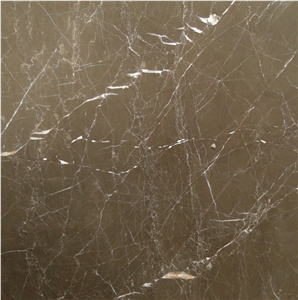
Cadbury Marble

Brown - Marble

India

About

Item Details

Material Type:
Marble
Origin:
India (Paloda, Banswara district in Rajasthan)
Primary Color(s):
Brown
Recommended Usage:
kitchen and bathroom countertops, wash basins, building stone, ornamental stone, stairs, interior, exterior wall and floor applications, mosaic, waterjet pattern, wall panels, table tops, balustrades, columns, wall and pool copings, pool pavers, sculptures, fireplaces, window sills
Additional Names:
Cadbury Brown Marble, Fantasy Brown Marble, Toronto Brown Marble, Cadbury Marble
Finished Surface:
Polished,Bush Hammered,Tumbled,Brushed,Honed,Split,Machine Cut,Natural Surface,Sandblasted,Combed,Leathered,Water Jet,Filled,Chiseled,Pickling

Testing

Water Absorption:
0.10 - 0.20%
Density:
2680 - 2730 kg/m3
Flexural Strength:
14 - 17 MPa
Compressive Strength:
140 - 160 MPa
Stone texture:
medium-grained crystalline structure with a compact and cohesive composition, captivating brownish-grey background, offering warm, neutral tones that suit both classic and contemporary designs. The surface is enriched with striking veins and swirling patterns in shades of brown, white, and occasional green, creating a dynamic, exotic appearance with strong visual depth and movement

Description

Cadbury Marble, quarried in the Banswara district of Rajasthan, India, is celebrated for its captivating brownish-grey background and dynamic, swirling patterns in shades of brown, white, and occasional green. This exotic marble features a medium-grained crystalline structure with a compact and cohesive composition, lending itself beautifully to both classic and contemporary designs.

Physical and Mechanical Properties:

  • Water Absorption:Typically ranges between 0.10% to 0.20%.
  • Density:Approximately 2.68 to 2.73 grams per cubic centimeter.
  • Flexural Strength:Generally around 14 to 17 MPa.
  • Compressive Strength:Approximately 140 to 160 MPa.
  • Hardness:Ranges from 3 to 4 on the Mohs scale.
  • Porosity:Low porosity, approximately 0.5% to 1.0%.
  • Slip Resistance:Average slip resistance value (SRV) between 20-30, depending on surface finish.

Chemical and Mineral Compositions (by weight):

  • Calcium Carbonate (CaCO₃):85% to 95%
  • Magnesium Carbonate (MgCO₃):2% to 5%
  • Silica (SiO₂):Around 1% to 3%
  • Iron Oxide (Fe₂O₃):Approximately 0.5% to 1%
  • Trace Minerals:Including small percentages of feldspar, mica, and clay.

Uses:

  • Interior Applications:Flooring, wall cladding, countertops, and decorative features.
  • Exterior Applications:Facade cladding and pavements, though usage may be limited in freeze-thaw climates.
  • Furniture:Tabletops and vanity tops.

Maintenance:

  • Regular Cleaning:Use a pH-neutral cleaner to maintain the surface's shine and longevity.
  • Sealant Application:Recommended every 6-12 months to protect from staining.
  • Avoid Acidic Substances:Prevent contact with vinegar, lemon juice, and other acidic substances.

Cutting Sizes (in cm):

  • Standard Slab Sizes:240 cm x 120 cm and 300 cm x 150 cm.
  • Tile Sizes:Commonly available in 30x30, 60x30, 60x40, and 60x60 cm.
  • Custom Sizes:Available upon request for bespoke projects.

Available Common Surface Finish Options:

  • Polished:Provides a glossy, reflective surface.
  • Honed:Offers a matte, smooth finish ideal for flooring.
  • Brushed:Creates a textured surface with a soft sheen.
  • Sandblasted:Adds a slightly rough texture for enhanced slip resistance.
  • Bush Hammered:Produces a rugged, antiqued appearance for outdoor use.

Cadbury Marble, with its rich visual appeal and robust properties, is a versatile choice for a wide range of architectural and design applications. Its dynamic patterns and warm, neutral tones complement various styles and aesthetics, making it a timeless addition to any space.

FAQ

Can India's Cadbury Marble be used exterior applications in hot climates?

The suitability of Indias Cadbury Marble for exterior applications in hot climates depends on several factors. Firstly, Cadbury Marble is a chocolate product that is primarily intended for consumption. It is not specifically designed or manufactured for use in exterior applications. Secondly, hot climates can significantly impact the texture, shape, and stability of chocolate products. In high temperatures, chocolate tends to melt or soften, which may not be ideal for exterior use. Considering these factors, it is not recommended to use Cadbury Marble or any chocolate-based product for exterior applications, especially in hot climates. It is better to explore alternative materials specifically designed and manufactured for such purposes.

Are there color variations of India's Cadbury Marble?

Yes, there are color variations of Cadbury Marble chocolate in India. Originally, Cadbury Marble had a purple wrapper with a blend of milk and white chocolate. However, in recent years, Cadbury has introduced different colored wrappers for their Marble variants, such as gold and orange, to create special editions or seasonal variations of the product. These variations may sometimes include different flavors or additional ingredients along with the original blend of milk and white chocolate.

What is the coefficient of friction of Leathered India's Cadbury Marble tiles?

To determine the coefficient of friction of Leathered Indias Cadbury Marble tiles, it would be necessary to consult the manufacturers specifications or contact the manufacturer directly. The coefficient of friction can vary depending on the specific type and finish of the tile. Additionally, testing methods and standards may differ, so it is important to refer to the specific information provided by the manufacturer for accurate and up-to-date data.

Can India's Cadbury Marble be used in a dining room?

Yes, Indias Cadbury Marble can be used in a dining room. The Cadbury Marble is a chocolate product and is typically consumed as a confectionery item rather than being used as a decorative element in a dining room. However, if you are referring to a decorative aspect or theme inspired by Cadbury Marble chocolates, such as using the color scheme or patterns found on the packaging in the dining room decor, it can certainly be a creative option to incorporate.

Can India's Cadbury Marble be used in landscaping?

Cadbury Marble is a type of chocolate candy produced by Cadbury, a popular confectionery brand. It is not designed or intended to be used in landscaping. Landscaping typically involves the design, planning, and construction of outdoor spaces using various elements such as plants, trees, flowers, rocks, soils, and hardscape materials like stones, bricks, or concrete. These elements are chosen and used to enhance the aesthetic appeal and functionality of the outdoor area. Using chocolate candy like Cadbury Marble in landscaping would not be a suitable choice. Chocolate is not a durable or weather-resistant material, and it would quickly succumb to various environmental factors, such as heat, rain, or moisture, causing it to melt, deteriorate, or attract pests. Additionally, it does not possess the necessary characteristics for structural or decorative purposes in landscaping. Therefore, it is not recommended to use Cadbury Marble or any other chocolate candy for landscaping purposes.

What grade is India's Cadbury Marble?

Indias Cadbury Marble does not have a specific grade. It is a variant of Cadbury chocolate which has a unique combination of milk and white chocolate swirled together.

Is India's Cadbury Marble an expensive stone?

I do not have access to current market prices, but I can tell you that Cadbury Marble is not a natural stone. It is a type of chocolate made by the Cadbury company, which is very popular in India.

Products & Prices

View More

Hot Brown Marble

New Marble

Post Your Request

The request includes:
  1. surface finished, size
  2. quantity required