Post Your Needs

Cairns Grey Marble

Marble

China

About

Item Details

Material Type:
Marble
Origin:
China
Recommended Usage:
Kitchen and bathroom countertops, wash basins, building stone, ornamental stone, stairs, interior, exterior wall and floor applications, mosaic, waterjet pattern, wall panels, table tops, balustrades, columns, wall and pool copings, pool pavers, fireplaces
Additional Names:
Cairns Gray Marble, Kaiensi Grey Marble, China Grigio Carnico Marble, in China stone market:凯恩斯灰(Kǎi ēn sī huī)
Finished Surface:
Polished,Bush Hammered,Tumbled,Brushed,Honed,Split,Machine Cut,Natural Surface,Sandblasted,Combed,Leathered,Water Jet,Filled,Chiseled,Pickling

Testing

Water Absorption:
0.15–0.35%
Density:
2680–2710 Kg/m³
Flexural Strength:
11–13 MPa
Compressive Strength:
105–115 MPa

Description

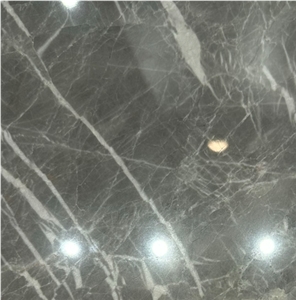
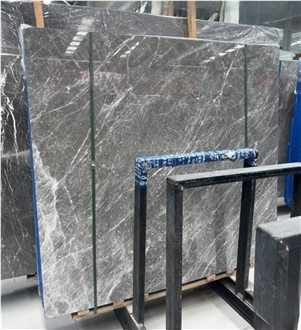
Cairns Grey Marble is a distinctive natural marble quarried in China, characterized by its dark cloudy grey base​ contrasted with prominent white quartz streaks​ that create a dramatic, cloud-like pattern. This stone combines elegance with striking visual depth, making it suitable for both residential and commercial high-design applications.

Visual & Physical Characteristics

  • Base Color:​ Dark, smoky grey with cloud-like tonal variations
  • Veining/Pattern:​ Bold, linear to swirling white quartz streaks that resemble lightning or crystalline fractures
  • Texture:​ Medium to coarse crystalline structure; takes polish well and showcases natural depth
  • Finish Options:​ Polished, honed, brushed, leathered, flamed, sandblasted

Physical & Mechanical Properties

  • Water Absorption​  ASTM C97: 0.15–0.35%
  • Density  ​ASTM C97: 2.68–2.78 g/cm³
  • Compressive Strength​  ASTM C170: 105–115 MPa
  • Flexural Strength​  ASTM C880: 11–13 MPa
  • Abrasion Resistance​  ASTM C241: 20–25 mm (moderate)
  • Hardness (Mohs Scale)​ Mineral Test: 3–4
  • Frost Resistance  ​EN 12371: Limited (recommended for interior use)

Chemical Composition (Approximate % by weight)

  • CaCO₃ (Calcite): ​85–92%
  • MgCO₃ (Dolomite): ​3–8%
  • SiO₂ (Quartz): ​4–9% (white streaks)
  • Fe₂O₃ + Al₂O₃​: 0.5–2%
  • Other Minerals​: 1–3%

Mineral Composition (Approximate % by weight)

  • Calcite:​ 80–90%
  • Dolomite:​ 5–10%
  • Quartz:​ 3–8% (primary component of white streaks)
  • Clay Minerals/Mica:​ 1–3%
  • Iron Oxides/Graphite:​ 0.5–2% (contributes to grey coloration)

Surface Finish Options

  • Polished:​ High-gloss mirror finish (most common)
  • Honed:​ Smooth matte finish
  • Brushed:​ Textured, slightly rough surface
  • Leathered:​ Soft textured finish with subtle sheen
  • Flamed:​ Rough, anti-slip surface for exteriors
  • Sandblasted:​ Uniform matte textured finish

Applications

  • Interior:​ Flooring, wall cladding, staircase treads, fireplace surrounds
  • Kitchen/Bath:​ Countertops, backsplashes, vanity tops
  • Commercial:​ Hotel lobbies, corporate offices, retail spaces
  • Decorative:​ Feature walls, tabletops, custom furniture

Maintenance Requirements

  • Sealing:​ Required before installation; re-seal every 6–12 months
  • Cleaning:​ pH-neutral stone cleaners only; avoid acidic products
  • Protection:​ Use coasters, trivets; avoid direct heat exposure
  • Repair:​ Professional polishing recommended for deep scratches

Notes & Recommendations

  • Each slab shows unique pattern variation; slab selection recommended
  • White quartz veins may be harder than surrounding marble (Mohs 7 vs 3-4)
  • Suitable for interior wet areas with proper sealing
  • Limited frost resistance; not recommended for exterior in freeze-thaw climates

FAQ

Can Cairns Grey Marble be used for kitchen countertop?

Cairns Grey Marble can be used for kitchen countertops, but there are several factors to consider before choosing it for this application. Marble is a natural stone known for its beauty and elegance, with unique veining and coloration. However, it is also a softer and more porous material compared to other natural stones like granite or engineered stone like quartz. Here are some points to consider: 1. **Porosity**: Marble is porous, which means it can absorb liquids and is susceptible to staining. Spills from common kitchen substances like wine, coffee, and oil can lead to stains if not cleaned up promptly. 2. **Durability**: Being a softer stone, marble can scratch and chip more easily than harder materials. Cutting directly on the marble surface can cause scratches, so its important to use cutting boards. 3. **Maintenance**: Marble countertops will require regular sealing to help protect against stains and reduce porosity. Regular cleaning with pH-neutral cleaners is recommended to maintain the stones appearance. 4. **Aesthetics**: Cairns Grey Marble offers a distinct look with its unique grey tones and veining. If aesthetics are a priority, the beauty of this marble could outweigh the maintenance concerns for some homeowners. 5. **Cost**: Marble tends to be on the higher end of the price spectrum for countertop materials, and the costs can vary depending on the quality, thickness, and origin. If you are willing to accept the maintenance requirements and potential for wear and tear, Cairns Grey Marble can be a stunning choice for a kitchen countertop. For those looking for a lower-maintenance option, materials like quartz might be more suitable. Its always a good idea to consult with a professional stone fabricator or installer to understand the suitability and care requirements specific to your needs.
How can I repair the scratched surface of the Cairns Grey Marble steps?

Repairing scratched surfaces on Cairns Grey Marble steps can be approached with care to restore their appearance without causing further damage. Heres a step-by-step guide you can follow: 1. **Assess the Damage**: Determine the depth and extent of the scratches. Superficial scratches can be treated more easily, whereas deeper ones may require professional intervention. 2. **Clean the Surface**: - Use a soft cloth or sponge with warm water and a small amount of mild, pH-neutral stone cleaner. - Gently clean the scratched area to remove any dirt or debris. - Rinse and dry the area thoroughly with a soft, lint-free cloth. 3. **Polish Surface for Light Scratches**: - Use a marble polishing powder or compound specifically designed for marble surfaces. - Apply a small amount of the polishing compound to a damp cloth or buffing pad. - Gently rub the compound over the scratch in a circular motion, applying moderate pressure. - Continue buffing for several minutes until the scratch appears less visible. - Wipe away excess compound with a clean, damp cloth and dry the area. 4. **Sanding for Deeper Scratches**: - If the scratches are deeper and not removed by polishing, wet sanding may be necessary. - Start with a fine-grit sandpaper (e.g., 800-grit) and gently sand the scratched area. - Progressively move to finer grits (e.g., 1000-grit, 1500-grit) until the surface appears smooth. - Be sure to sand evenly and gently to avoid creating depressions in the marble. - After sanding, use the polishing compound again to restore the gloss. 5. **Seal the Marble (Optional)**: - Once the surface is repaired, consider applying a marble sealer to protect against future scratches and stains. - Follow the manufacturers instructions for applying the sealer and allow it to fully cure. 6. **Routine Maintenance**: - Regular cleaning with a soft cloth and a gentle cleaner will help maintain the marbles shine. - Avoid using acidic or abrasive cleaners that can damage the marble surface. If the scratches are extensive or if youre uncomfortable performing the repair, its advisable to contact a professional stone restoration expert. They can assess and repair the steps using specialized tools and techniques to ensure the marble is restored to its original condition.

Is Cairns Grey Marble with a polished surface good for house flooring?

Cairns Grey Marble with a polished surface can be a suitable choice for house flooring, but there are several factors to consider before making your decision: 1. **Aesthetic Appeal:** Cairns Grey Marble is known for its elegant appearance, providing a luxurious and sophisticated look. Its unique veining and color can add a touch of elegance to any space. 2. **Durability:** Marble is a durable natural stone, but it is softer compared to granite and can be susceptible to scratches, chips, and etching, especially in high-traffic areas. 3. **Maintenance:** Polished marble requires regular maintenance to keep its shine and prevent staining. It needs to be sealed periodically to protect against spills and stains. Acidic substances like lemon juice or vinegar can etch the surface, so its important to clean up spills immediately. 4. **Slipperiness:** Polished marble can be quite slippery, especially when wet. This can be a safety hazard in areas like kitchens or bathrooms. Consider opting for a honed or matte finish if slip resistance is a concern. 5. **Cost:** Marble is generally more expensive than other flooring options like ceramic tiles or laminate, so budget considerations are important. 6. **Climate Considerations:** The thermal conductivity of marble means it can feel cold underfoot in cooler climates, though this might be an advantage in warmer climates. 7. **Sustainability:** If sustainability is a priority, check the sourcing and environmental impact of the marble you select. In summary, Cairns Grey Marble with a polished surface can be a good choice for house flooring if you prioritize aesthetics and are prepared for the maintenance it requires. However, its important to weigh the pros and cons based on your specific needs and lifestyle.

Is Cairns Grey Marble a suitable choice for gravestones?

Cairns Grey Marble can indeed be a suitable choice for gravestones, but there are several factors to consider: 1. **Durability**: Marble is generally not as durable as granite. It is more prone to weathering, which can affect the longevity of a gravestone, especially in harsh climates. However, if the climate is relatively mild, marble can last for many years. 2. **Aesthetic Appeal**: Cairns Grey Marble has a unique and attractive appearance. Its natural veining and color can provide a beautiful and distinguished look, which many people find suitable for a memorial. 3. **Maintenance**: Marble requires more maintenance than some other materials like granite. It may need periodic cleaning and sealing to maintain its appearance and prevent staining or erosion. 4. **Cost**: Marble can be more expensive than some alternatives. Its important to consider your budget and compare costs with other materials. 5. **Legacy and Tradition**: Marble has been used historically for gravestones and monuments, which can add a traditional and classic touch to a memorial site. 6. **Personal Preference**: Ultimately, the choice of material can be a personal decision based on aesthetic preference and the specific characteristics you value in a gravestone. If Cairns Grey Marble meets your aesthetic preferences and you are comfortable with its characteristics, it can be a suitable choice for a gravestone. However, its always a good idea to consult with a professional memorial supplier who can provide more detailed advice based on your specific needs and local environmental conditions.

How can I remove mold from Cairns Grey Marble wall tiles?

Removing mold from Cairns Grey Marble wall tiles requires a gentle approach to prevent damaging the marble. Here’s a step-by-step guide: 1. **Gather Supplies**: - Non-abrasive sponge or soft cloth - pH-neutral marble cleaner or a mild detergent - Soft-bristle brush - Spray bottle - Warm water - Clean, dry towels - Optional: Hydrogen peroxide or baking soda 2. **Prepare the Solution**: - Use a pH-neutral cleaner specifically formulated for marble, as acidic or abrasive cleaners can damage the surface. - Alternatively, mix a few drops of mild dish soap with warm water in a spray bottle. 3. **Apply the Solution**: - Lightly spray the cleaning solution onto the moldy areas. Avoid soaking the marble to minimize any potential damage. 4. **Gently Scrub**: - Use a soft sponge or cloth to gently scrub the surface. For more persistent mold, a soft-bristle brush can help, but be careful not to scrub too hard, as this can scratch the marble. 5. **Rinse**: - Wipe the area with a clean cloth dampened with warm water to remove any soap residue. 6. **Dry the Surface**: - Use a dry towel to thoroughly dry the marble. This step is crucial because leaving moisture can encourage mold to grow back. 7. **For Stubborn Mold** (Optional): - **Hydrogen Peroxide**: Apply a small amount of hydrogen peroxide to a soft cloth and gently pat it onto the stain. Avoid using this solution frequently, as it can lighten the marble over time. - **Baking Soda Paste**: Mix a small amount of baking soda with water to form a paste. Apply the paste to the mold, let it sit for a few minutes, and then gently scrub and rinse as above. 8. **Prevent Future Mold Growth**: - Ensure the area is well-ventilated and dry. - Consider applying a marble sealant periodically to protect against moisture. Always test any cleaning solution on a small, inconspicuous area first to ensure it does not damage or discolor the marble.

Does Cairns Grey Marble mosaic need to be sealed?

Yes, Cairns Grey Marble mosaic, like most natural stone tiles, typically needs to be sealed. Sealing helps to protect the marble from stains, moisture, and damage, as it is a porous material. It is recommended to seal the marble before and after grouting, and then reseal periodically according to the manufacturers instructions or depending on the level of use and exposure to moisture and wear. Always use a high-quality sealer designed specifically for natural stone to ensure the best protection.

Products & Prices

Hot Marble

New Marble

Post Your Request

The request includes:
  1. surface finished, size
  2. quantity required