Post Your Needs

Calacatta Antico Marble

Marble

Italy

About

Item Details

Material Type:
Marble
Origin:
Italy (Carrara)
Recommended Usage:
kitchen and bathroom countertops, wash basins, building stone, ornamental stone, stairs, interior, exterior wall and floor applications, mosaic, waterjet pattern, wall panels, table tops, balustrades, columns, wall and pool copings, pool pavers, sculptures, fireplaces, window sills
Additional Names:
Calacatta Antique Marble, Calacatta Antiq Marble, Calacatta Oyster Marble, Calacatta Picasso Marble
Finished Surface:
Polished,Bush Hammered,Tumbled,Brushed,Honed,Split,Machine Cut,Natural Surface,Sandblasted,Combed,Leathered,Water Jet,Chiseled,Pickling

Testing

Water Absorption:
0.12 - 0.35 %
Density:
2680 - 2730 kg/m³
Flexural Strength:
12 - 18 MPa
Compressive Strength:
105 - 145 MPa

Description

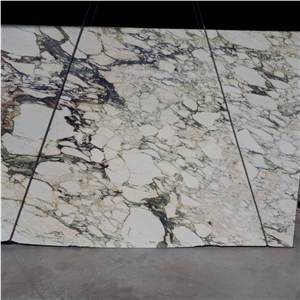
Calacatta Antico Marble is an elegant and luxurious natural stone renowned for its bold aesthetics and dramatic veining. Quarried in the prestigious marble region of Carrara, Tuscany, Italy, this exceptional marble features a luminous white to warm ivory background traversed by a striking network of broad, flowing veins. These dramatic patterns display rich tones of gold, ochre, warm gray, hazelnut, rust, and occasional subtle green undertones, creating a sophisticated and timeless appearance. Each slab is unique, offering a distinctive blend of movement, contrast, and natural artistry that makes it highly sought after for premium architectural and interior design projects.

Color and Appearance

  • Primary Color: White to warm ivory
  • Secondary Colors: Gold, ochre, warm gray, hazelnut, rust, and subtle green accents
  • Appearance: Luxurious, dramatic, and highly decorative
  • Variation: Moderate to high, with unique veining patterns in every slab

Texture

  • Fine to medium crystalline texture
  • Smooth and compact structure
  • Naturally polished appearance due to dense calcite composition
  • Excellent light reflection when polished

Pattern

  • Bold, wide, sweeping veins
  • Intricate interconnected veining network
  • Dramatic movement across slab surfaces
  • Cloud-like background with contrasting mineral intrusions
  • Book-matching creates spectacular visual effects

Physical and Mechanical Properties

  • Density: 2,680 - 2,730 kg/m³
  • Water Absorption: 0.12 - 0.35 %
  • Compressive Strength: 105 - 145 MPa
  • Flexural Strength: 12 - 18 MPa
  • Tensile Strength: 8 - 12 MPa
  • Abrasion Resistance: Moderate to Good
  • Modulus of Rupture: 14 - 20 MPa
  • Frost Resistance: Good
  • Porosity: Low to Moderate
  • Mohs Hardness: 3 - 4

Chemical Composition (% by Weight)

  • Calcium Carbonate (CaCO₃): 95 - 98 %
  • Magnesium Carbonate (MgCO₃): 0.5 - 2.0 %
  • Silica (SiO₂): 0.3 - 1.5 %
  • Iron Oxides: 0.1 - 0.8 %
  • Alumina (Al₂O₃): 0.05 - 0.4 %
  • Other Trace Minerals: 0.1 - 1.0 %

Mineral Composition (% by Weight)

  • Calcite: 92 - 97 %
  • Dolomite: 1 - 3 %
  • Quartz: 0.5 - 2 %
  • Mica: Trace - 1 %
  • Chlorite: Trace - 1 %
  • Iron-bearing Minerals: Trace - 1 %
  • Serpentine and Other Accessory Minerals: Trace

Applications

Interior Applications

  • Luxury flooring
  • Feature walls
  • Wall cladding
  • Staircases
  • Fireplace surrounds
  • Bathroom vanities
  • Shower walls
  • Kitchen countertops
  • Kitchen islands
  • Reception desks
  • Hotel lobbies
  • Luxury retail interiors

Exterior Applications

  • Facade cladding
  • Architectural detailing
  • Covered outdoor areas
  • Decorative landscape features

Custom Architectural Elements

  • Columns
  • Moldings
  • Balustrades
  • Sculptures
  • Monumental works
  • Bespoke furniture pieces

Maintenance

  • Clean regularly using pH-neutral stone cleaners
  • Avoid acidic cleaners containing vinegar, lemon, or harsh chemicals
  • Seal periodically to minimize staining and moisture penetration
  • Wipe spills immediately, particularly wine, coffee, oils, and acidic liquids
  • Use protective pads under furniture and decorative objects
  • Avoid abrasive cleaning materials
  • Re-polish professionally when necessary to maintain surface brilliance

FAQ

Is Calacatta Antico Marble heat resistant? Is it suitable for use in fireplaces?

Calacatta Antico Marble, like other types of marble, is a natural stone that has some heat resistance, but it is not as heat resistant as materials like granite or engineered quartz. Marble can withstand moderate heat, but it is susceptible to thermal shock and can crack or become damaged if exposed to extreme or rapid temperature changes. When considering Calacatta Antico Marble for use in fireplaces, its important to note that while the marble can be used for the surround or decorative elements, it should not be exposed directly to the high temperatures of a fire. Its advisable to have a protective barrier or a heat-resistant material between the fire and the marble to prevent potential damage. Ensure proper installation and consider consulting a professional to determine the best approach for your specific fireplace design.

Can I use bleach when cleaning a Calacatta Antico Marble kitchen countertop?

Using bleach on a Calacatta Antico marble countertop is not recommended. Marble, including the Calacatta variety, is a natural stone that is sensitive to acidic and harsh cleaning agents, which can cause etching or dulling of the surface. Bleach is particularly harsh and can damage the marble. To safely clean a marble countertop, use a pH-neutral cleaner specifically formulated for natural stone, or simply use warm water with a mild dish soap. Always use a soft cloth or sponge to avoid scratching the surface. Additionally, make sure to promptly clean up spills, especially acidic substances like lemon juice or vinegar, to prevent staining or etching. Regularly sealing the marble can also help protect against stains and damage.

What does vinegar do to Calacatta Antico Marble countertop?

Vinegar is acidic and can be harmful to marble surfaces, including Calacatta Antico Marble. When vinegar comes into contact with marble, it can etch the surface, causing dull spots and damaging the natural stone. This etching happens because the acid in vinegar reacts with the calcium carbonate in the marble, leading to a chemical reaction that deteriorates the surface. For cleaning marble countertops, its best to use pH-neutral cleaners specifically designed for stone surfaces or a mixture of mild dish soap and water. Avoid using acidic or abrasive cleaners to maintain the marbles finish and longevity. If vinegar or any other acidic substance spills on the marble, its important to clean it up immediately with a soft, damp cloth to minimize potential damage.

Is 18 mm Calacatta Antico Marble good for a commercial bathroom top?

Using 18 mm Calacatta Antico Marble for a commercial bathroom countertop can be a stylish choice, but there are some factors to consider: 1. **Aesthetic Appeal**: Calacatta marble is known for its luxurious and elegant appearance, which can enhance the overall look of a commercial bathroom and create a high-end atmosphere. 2. **Durability**: Marble is a softer and more porous stone compared to granite or quartz, which means it can be susceptible to scratches, stains, and etching. In a high-traffic commercial environment, this may mean that the countertop will require more regular maintenance to keep its appearance. 3. **Maintenance**: Marble requires regular sealing to protect against staining and etching from exposure to water and bathroom products. Consider whether the maintenance requirements are feasible for the facility. 4. **Thickness**: 18 mm thickness (approximately 3/4 inch) is relatively standard for countertops, but in commercial use, you might want to ensure that the installation is done correctly to provide the necessary support and prevent any cracking or other issues over time. 5. **Cost**: Calacatta marble is generally more expensive than many other countertop materials. You’ll need to weigh the cost against the perceived value and desired aesthetic for the commercial space. 6. **Alternatives**: If durability and low maintenance are priorities, consider alternatives like quartz that can mimic the look of marble while providing greater resistance to wear and tear. Before making a decision, it may be wise to consult with a contractor or architect experienced in commercial bathroom installations to assess whether Calacatta Antico Marble meets your specific needs for both aesthetic and practical purposes.

Can I put a hot pan on Calacatta Antico Marble table top?

Calacatta Antico Marble is a beautiful and luxurious material, but it is sensitive to high temperatures. Placing a hot pan directly on a marble tabletop is not advisable as it can cause thermal shock, leading to cracks or discoloration. To protect your marble tabletop, its best to use trivets, hot pads, or coasters when placing hot items on its surface. This will help maintain the integrity and appearance of the marble over time.

My Calacatta Antico Marble kitchen countertop has been stained by soy sauce. How can I remove the stain?

Removing stains from Calacatta Antico Marble can be a bit tricky, as marble is a porous material that can easily absorb liquids and become stained. Here’s a method to try and remove the soy sauce stain: 1. **Blot the Stain**: Start by gently blotting the stain with a soft, clean cloth to remove any excess soy sauce. Avoid rubbing, as this can push the stain deeper into the marble. 2. **Clean the Area**: Mix a few drops of mild dish soap with warm water, and use a soft cloth to gently clean the area. Rinse with another cloth dampened with just water to remove any soap residue, and dry with a clean towel. 3. **Make a Poultice**: Create a poultice by mixing baking soda and water to form a thick paste (similar to the consistency of peanut butter). You can also use a commercial marble poultice powder, available at home improvement or stone care stores. 4. **Apply the Poultice**: Spread the poultice over the stained area to a thickness of about 1/4 inch. Cover it with plastic wrap and tape down the edges to seal it. 5. **Let it Sit**: Allow the poultice to dry completely, which can take between 24 and 48 hours. The drying process helps draw the stain out of the marble. 6. **Remove and Rinse**: Once the poultice is dry, carefully remove it using a plastic scraper or a wooden utensil to avoid scratching the marble. Rinse the area with clean water and dry it thoroughly with a soft cloth. 7. **Repeat if Necessary**: You may need to repeat the poultice application a few times to completely remove the stain. 8. **Seal the Marble**: Once the stain is removed, consider sealing the marble to prevent future staining. Use a high-quality marble sealer and follow the manufacturer’s instructions. If the stain persists after multiple attempts, it might be best to consult a professional stone restoration specialist.

Products & Prices

Hot Marble

New Marble

Post Your Request

The request includes:
  1. surface finished, size
  2. quantity required